




Shoulder instability and rotator cuff tests
Special tests help identify which anatomical structure is likely contributing to a patient’s symptoms. Each test below follows the same basic pattern: a technique the examiner performs, and a positive finding that points to a specific structure or condition. As you read through each test, focus on three things: how it’s performed, what a positive result looks like, and what structure or condition it implicates.
Shoulder special tests
Instability tests
Below are tests to assess if this condition is present:
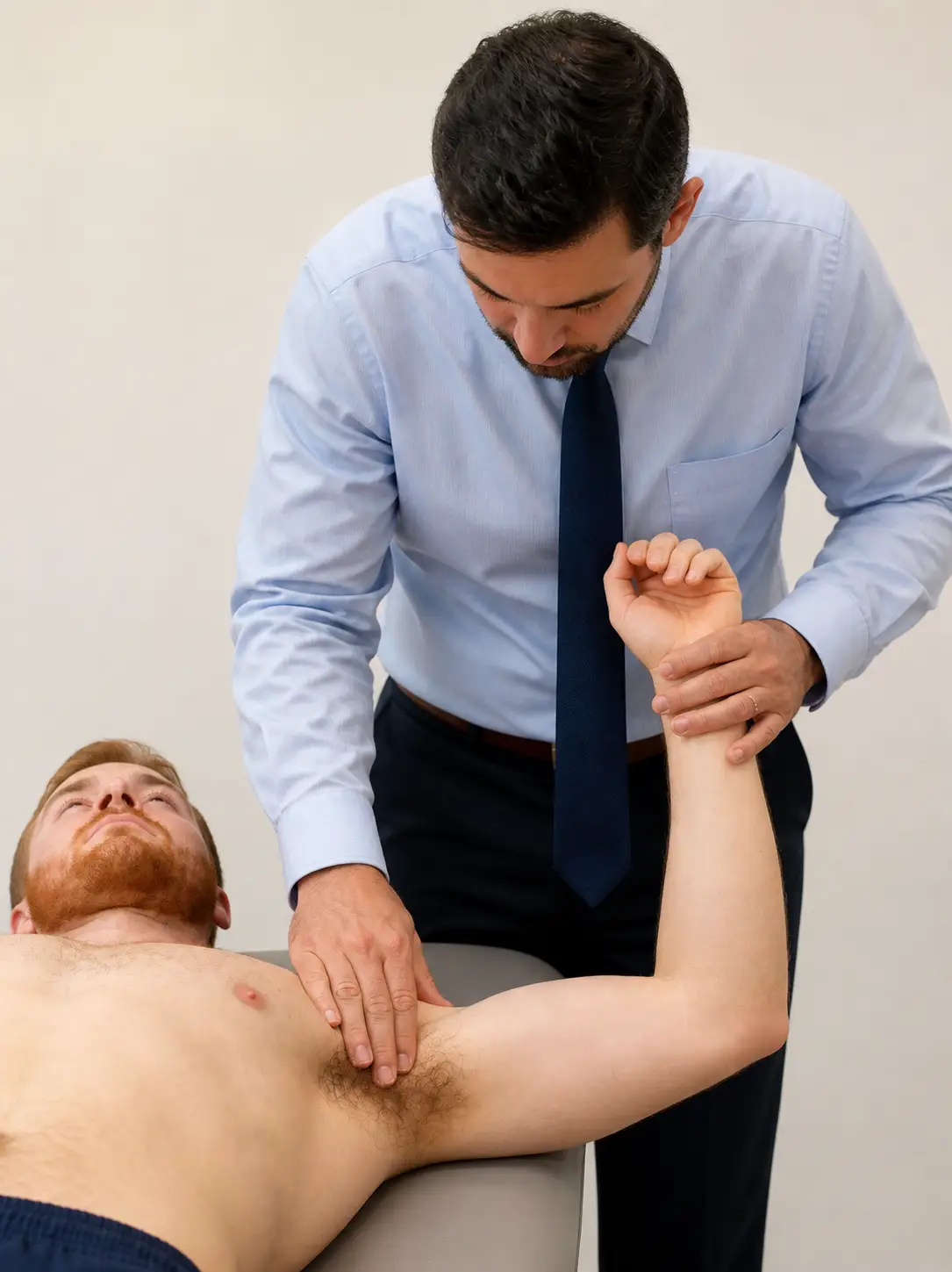
- Apprehension test (tests anterior instability)
- Patient is supine, the shoulder is in 90 degrees of abduction; therapist attempts to externally rotate
- Positive: patient seems apprehensive about performing movement and resists motion
- Patient is supine, the shoulder is in 90 degrees of abduction; therapist attempts to externally rotate
- Sulcus sign (tests inferior instability; often seen with multidirectional instability)
- Patient stands with arm relaxed at the side; therapist pulls the arm distally
- Positive: presence of sulcus inferior to the acromion with symptom reproduction
- Patient stands with arm relaxed at the side; therapist pulls the arm distally
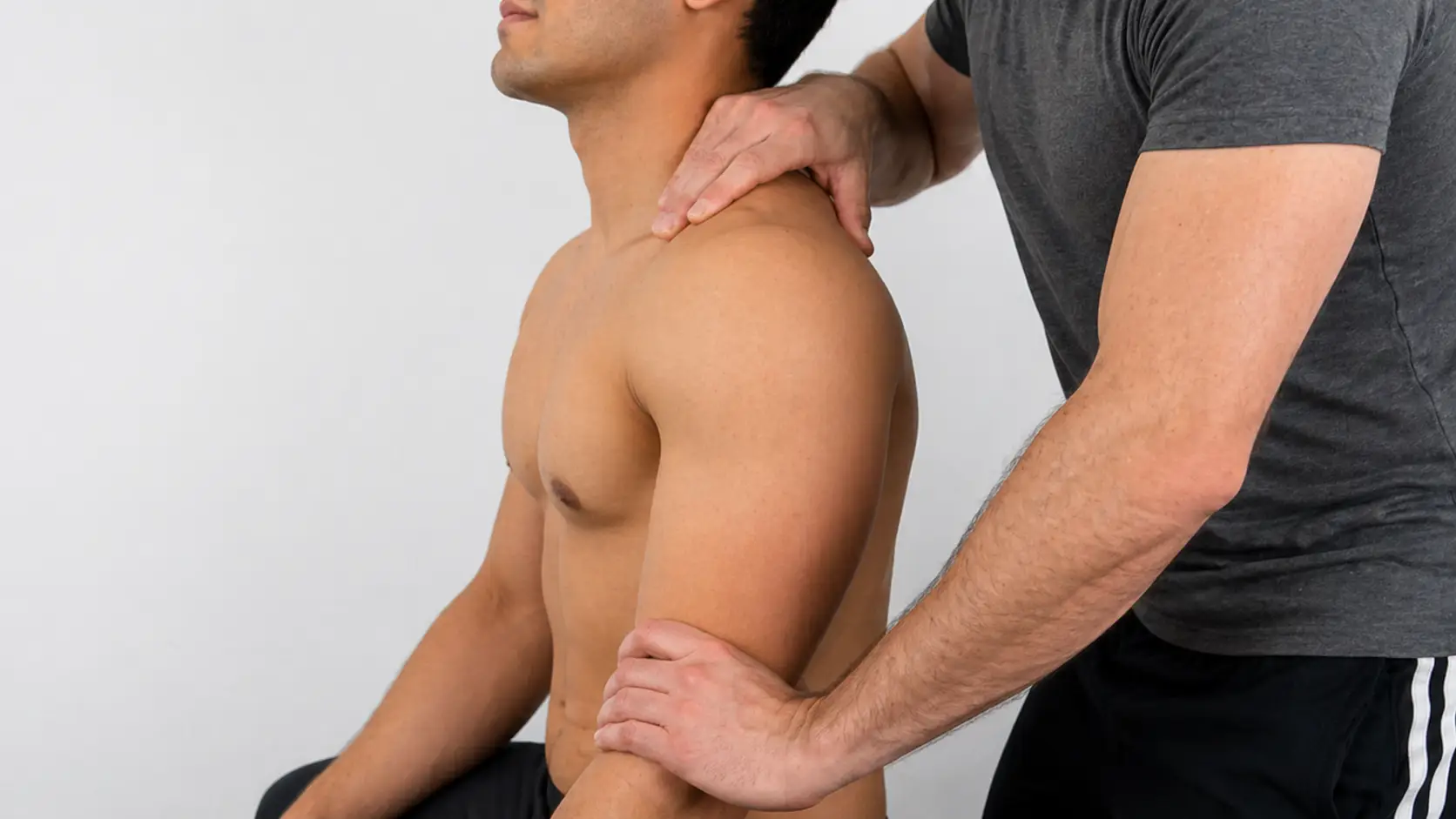
- Load and shift test (tests glenohumeral laxity)
- With the scapula stabilized, the therapist loads the humeral head into the glenoid and then shifts it forward and backward to judge the amount of anterior and posterior translation
- Positive: more translation than the other shoulder
- With the scapula stabilized, the therapist loads the humeral head into the glenoid and then shifts it forward and backward to judge the amount of anterior and posterior translation
If a patient shows apprehension or increased laxity during treatment, stop the provoking motion (typically combined abduction and external rotation), follow the precautions in the PT’s plan of care, and report the finding to the supervising PT.
Rotator cuff tests
Below are tests to assess if this condition is present:
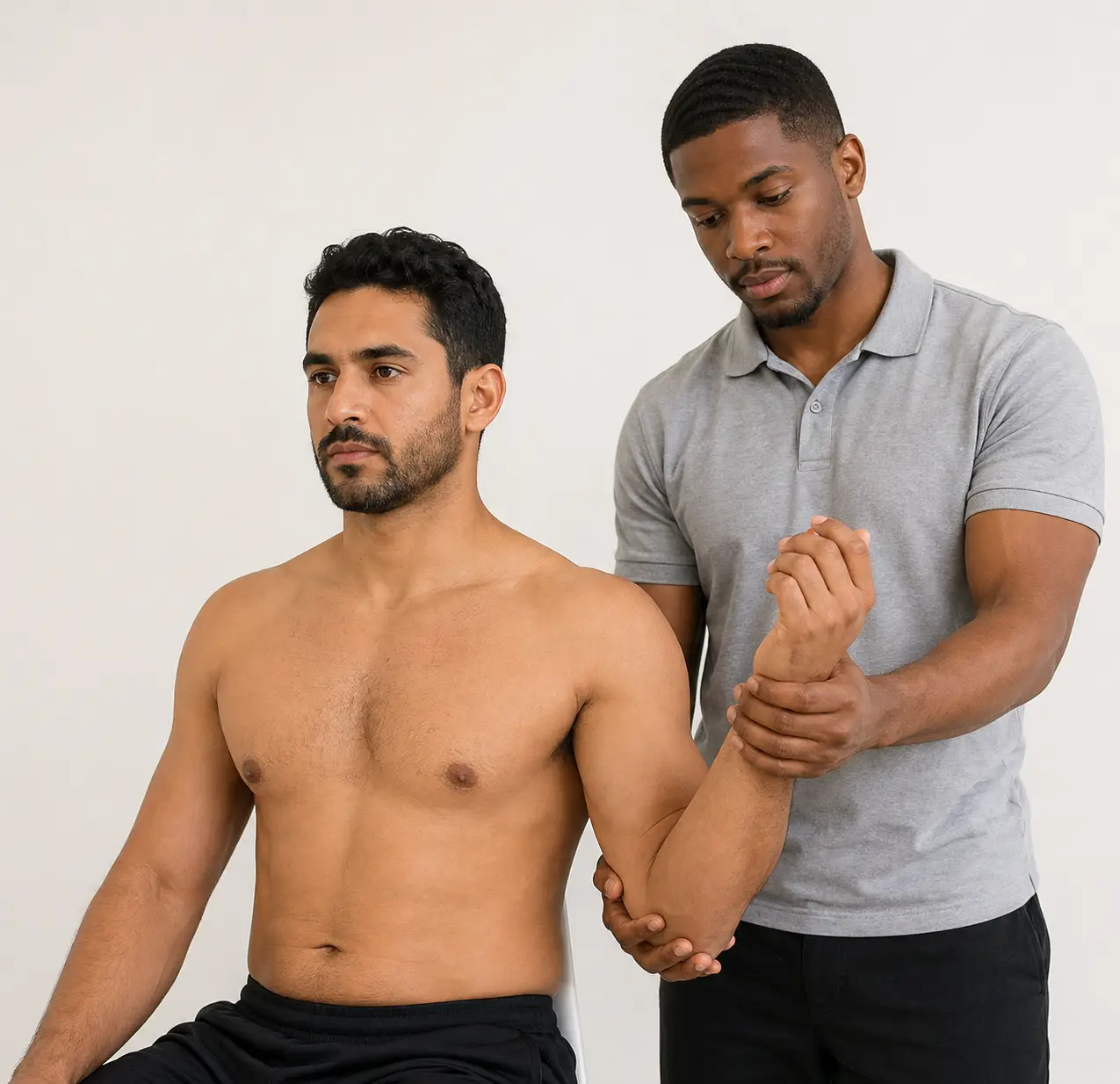
- Drop arm test
- Patient seated with the shoulder passively abducted to 90 degrees; patient instructed to slowly lower the arm back to the side
- Positive: patient is unable to lower their arm down slowly and suddenly drops it to the side without control, indicating a rotator cuff (typically supraspinatus) tear
- Patient seated with the shoulder passively abducted to 90 degrees; patient instructed to slowly lower the arm back to the side
- Resisted external rotation (infraspinatus) test
- Patient is seated or standing; therapist resists external rotation with the arm in the neutral position and adducted to the trunk
- Positive: pain and/or weakness with resisted external rotation
- Patient is seated or standing; therapist resists external rotation with the arm in the neutral position and adducted to the trunk
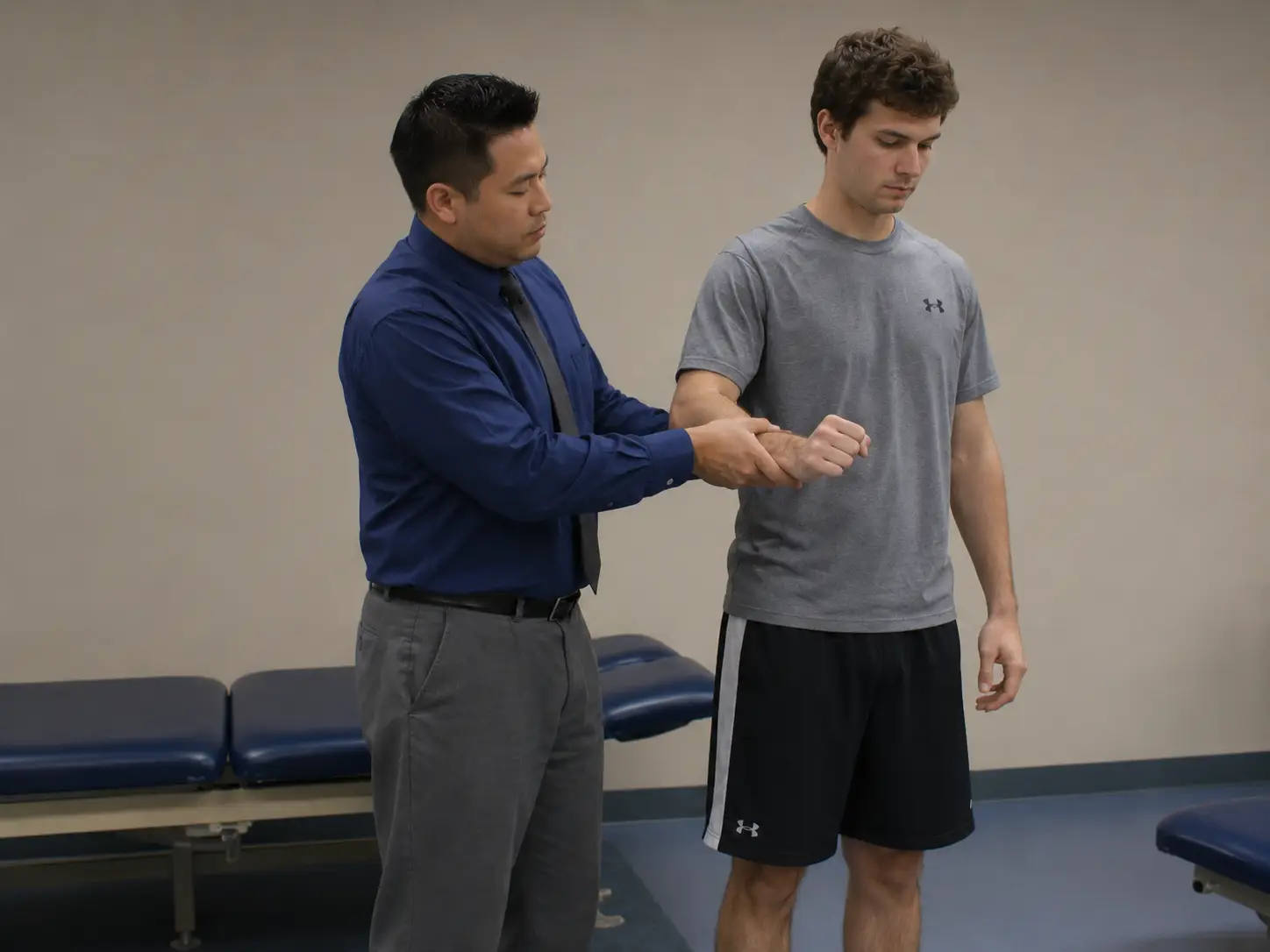
- External rotation lag sign
- Patient is seated or standing with the shoulder passively elevated to about 20 degrees in the scapular plane and externally rotated to near maximal range
- Positive: patient is unable to maintain external rotation, and the arm falls into internal rotation (lag)
- Patient is seated or standing with the shoulder passively elevated to about 20 degrees in the scapular plane and externally rotated to near maximal range
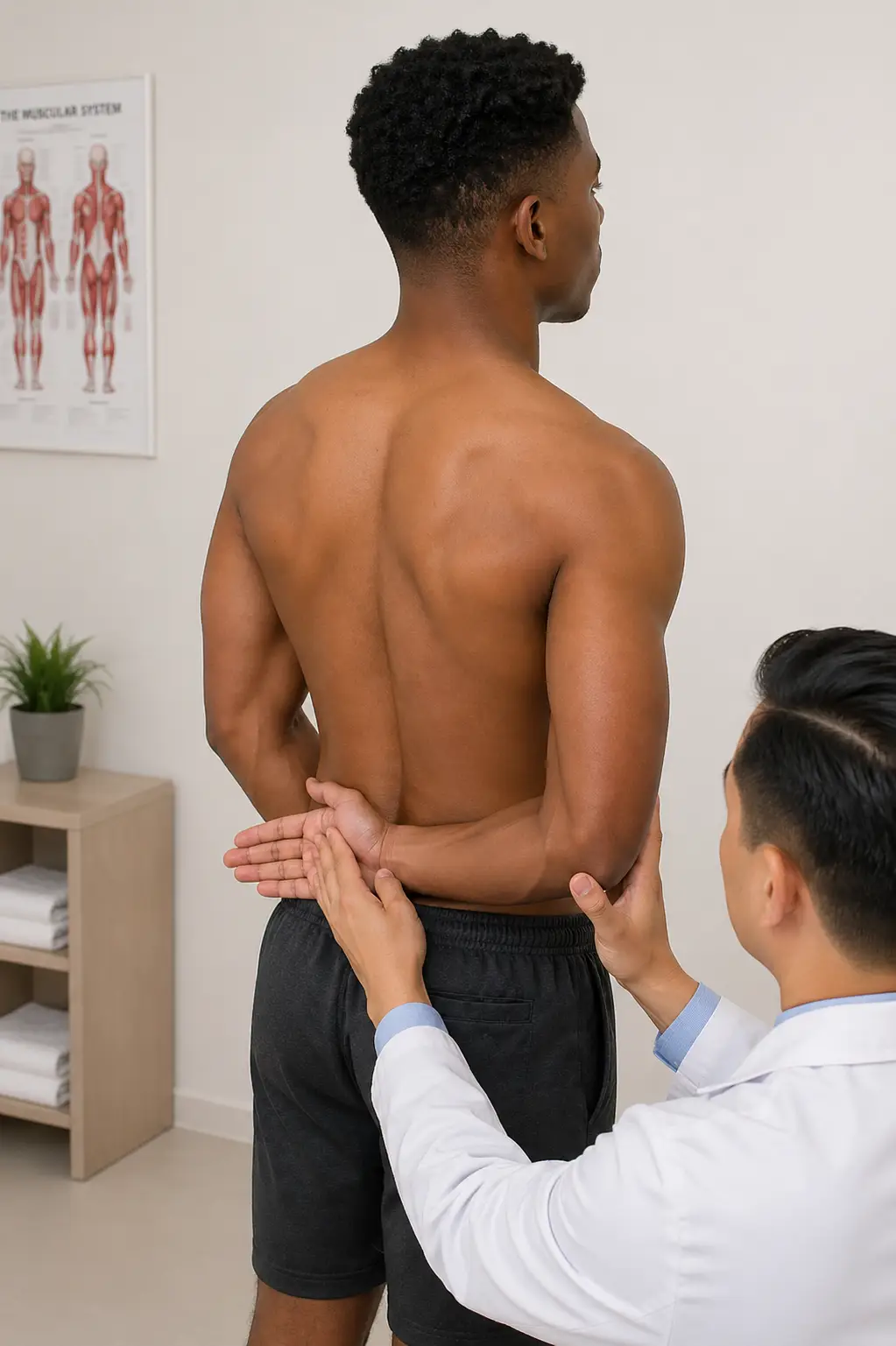
- Lift off test (Gerber’s test)
- Patient actively places the back of the hand on the mid-lumbar spine, then tries to lift the hand away from the back
- Positive: patient is unable to lift the hand off the back, indicating subscapularis weakness or tear
- Patient actively places the back of the hand on the mid-lumbar spine, then tries to lift the hand away from the back
- Internal rotation lag sign
- Examiner passively lifts the patient’s hand away from the low back into near-maximal internal rotation and asks the patient to hold it there
- Positive: the hand drops back toward the back (lag), indicating subscapularis weakness or tear
- Examiner passively lifts the patient’s hand away from the low back into near-maximal internal rotation and asks the patient to hold it there
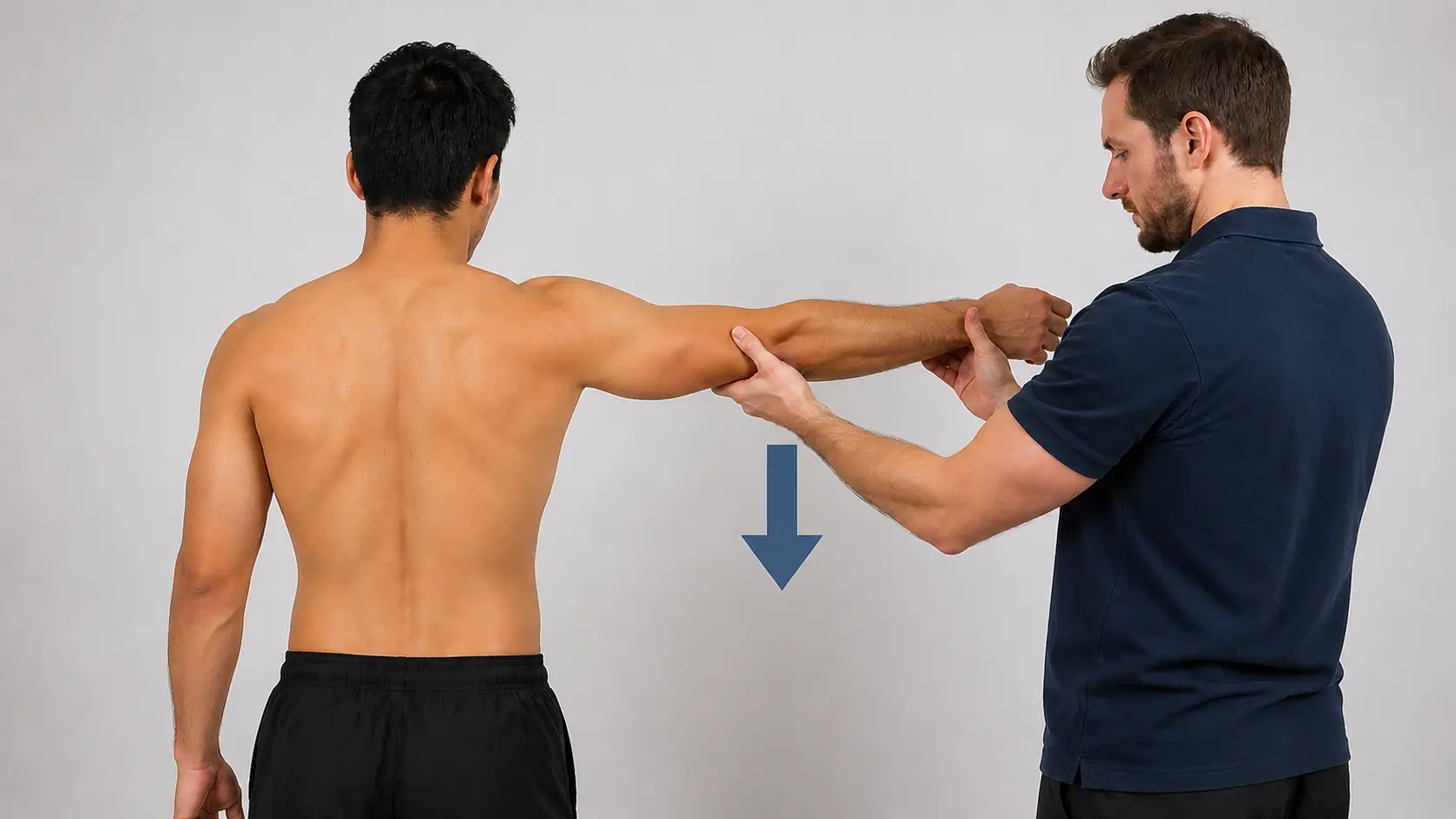
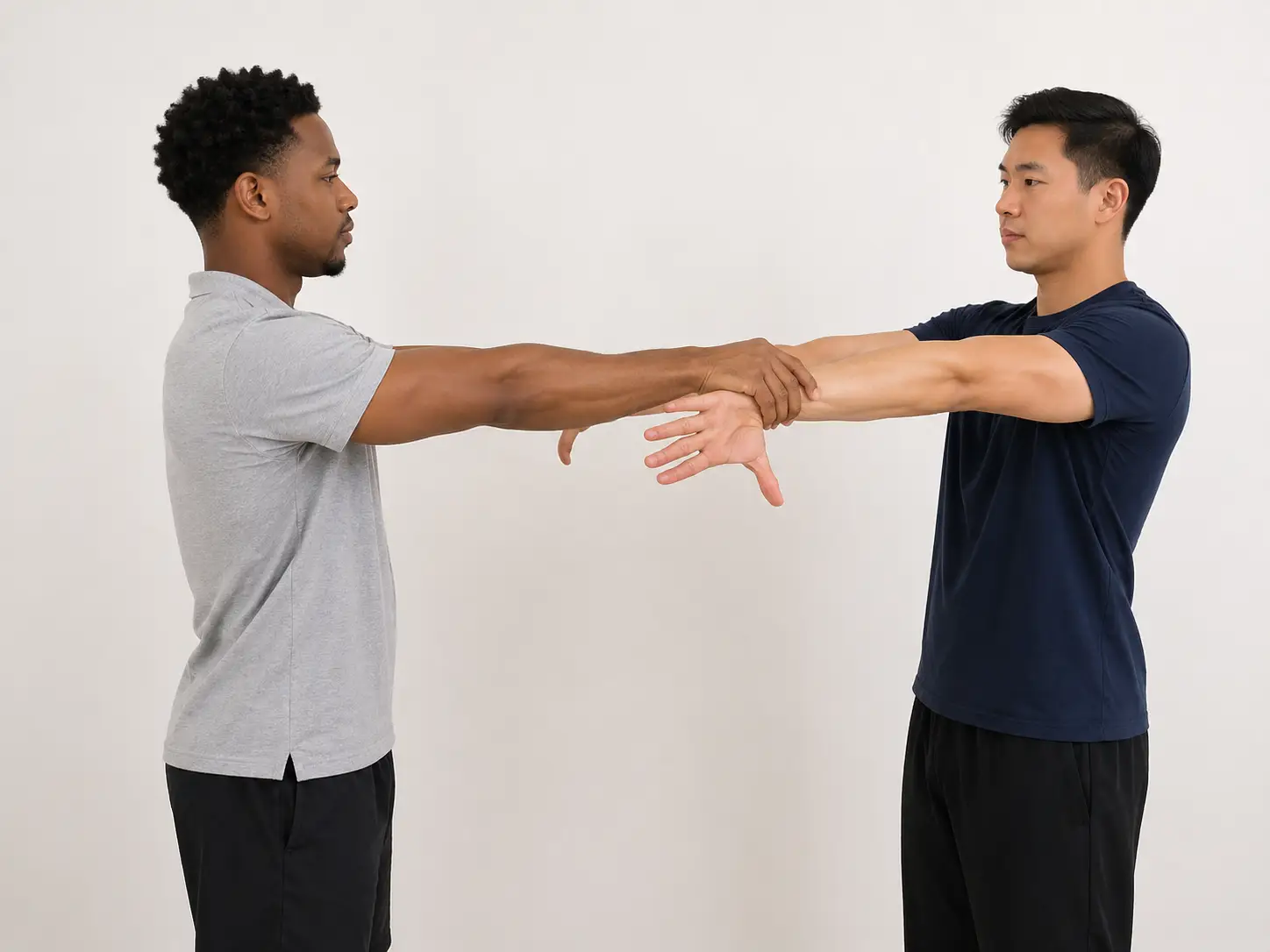
- Empty can test
- The patient stands or sits with their arms at their sides. The patient abducts their arm to 90 degrees in the scapular plane (about 30 degrees forward of the frontal plane), elbow extended, then internally rotates the shoulder so the thumb points toward the floor. The examiner applies downward pressure on the patient’s wrist or forearm.
- Tests the supraspinatus muscle
- Positive: pain and/or weakness when resisting the downward pressure
- The patient stands or sits with their arms at their sides. The patient abducts their arm to 90 degrees in the scapular plane (about 30 degrees forward of the frontal plane), elbow extended, then internally rotates the shoulder so the thumb points toward the floor. The examiner applies downward pressure on the patient’s wrist or forearm.
If rotator cuff pain or weakness appears or worsens during treatment, stop the aggravating motion, stay within the exercise parameters in the PT’s plan of care, and report to the supervising PT, who decides whether to change resistance or progression.