


This browser is too old to run Achievable.

Update it, or open this page in a current version of Chrome, Safari, Firefox or Edge. On an iPhone or iPad, update iOS: every browser there runs on the version of Safari that comes with it.

Achievable logoAchievable logo
NPTE-PTA
Sign in
Sign up
Purchase
Textbook
Practice exams
Support
How it works
Resources
Exam catalog
Mountain with a flag at the peak
Textbook
Introduction
1. Cardiovascular system
2. Pulmonary system
3. Neuromuscular system
4. Pediatrics
5. Musculoskeletal system
5.1 Anatomy of musculoskeletal system
5.2 Anatomical terminology and exercise training principles
5.3 Joint mechanics and phases of healing
5.4 Upper extremity anatomy
5.5 Special tests of upper extremity
5.6 Comparing clinical presentation and interventions for upper extremity
5.7 Lower extremity anatomy
5.8 Special tests of lower extremity
5.9 Comparing clinical presentation and interventions for lower extremity
5.10 Spine and pelvis anatomy
5.11 Special tests of the spine, pelvis, and temporomandibular joint
5.12 Comparing clinical presentation and interventions for the spine, pelvis, and temporomandibular joint
5.13 Other musculoskeletal conditions
5.14 Gait
5.15 Prosthetics
5.16 Orthotics
5.17 Medications, imaging, and fractures
5.18 Surgical protocols
6. Other systems
7. Non-systems
Wrapping up
Achievable logoAchievable logo
5.2 Anatomical terminology and exercise training principles
Achievable NPTE-PTA
5. Musculoskeletal system
Our NPTE-PTA course is now in "early access" - get 50% off for a limited time.

Anatomical terminology and exercise training principles

11 min read
Font
Discuss
Share
Feedback

Anatomical position

Anatomical position refers to a standardized posture of the human body used as a reference point for describing anatomical structures and movements.

Specifications

  • The body is upright and facing forward.
  • Feet are flat and parallel, with toes pointing straight ahead.
  • Arms are extended at the sides, with palms facing forward.
  • Head is held erect, with eyes looking straight ahead.
Definitions
Anterior
Front of the body, or the direction toward the front
Posterior
Back of the body, or the direction toward the back
Medial
Towards the middle (midline) of the body
Lateral
Towards the side of the body
Superior
Above or higher than another body part
Inferior
Below or lower than another body part
Distal
Further away from the point of attachment or the trunk of the body
Proximal
Closer to the trunk of the body
Ventral
Close to the anterior of a structure
Dorsal
Close to the back of a structure
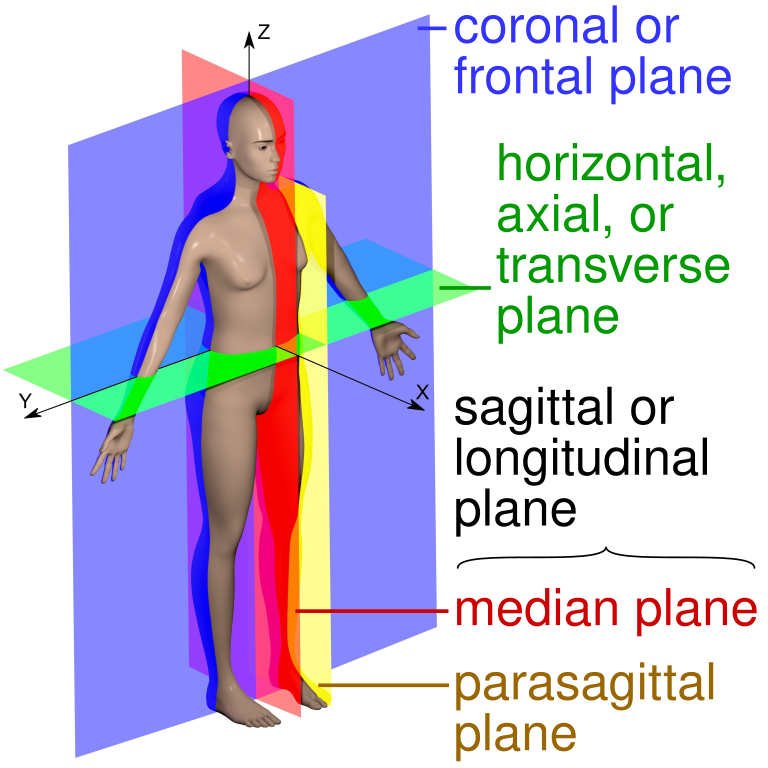
Sagittal plane
Runs vertically through the body, dividing it into left and right halves
Frontal (coronal) plane
Runs vertically through the body, dividing it into front (anterior) and back (posterior) halves
Axial (transverse) plane
Runs horizontally through the body, dividing it into top (superior) and bottom (inferior) halves
Body planes
Body planes
David Richfield and Mikael Häggström, M.D. and cmglee
/
Wikimedia Commons
/
CC BY-SA 4.0

Basics of strength training

Strength training refers to a type of exercise program designed to increase muscle strength and mass. It involves performing exercises that challenge the muscles to work against resistance, such as lifting weights, using resistance bands, or performing bodyweight exercises. There are multiple factors contributing to the overall success of an appropriate strength training program.

Muscle fiber types

Muscle types are defined by how they produce energy and how quickly they fatigue.

Slow twitch (Type I)

  • Slow contraction speed
  • Low force production
  • Highly resistant to fatigue
  • Example: Postural muscles

Fast twitch (Type IIA)

  • Fast contraction speed
  • Fatigue resistant
  • Can be influenced by training
  • Examples: Muscles used for strength and movement

Fast twitch (Type IIB)

  • Fast contraction speed
  • High force production
  • Susceptible to quick fatigue
  • Examples: Muscles for quick movements and eye muscles

Guidelines for strength training

Foundational principles

  • Overload principle
    • Increasing the amount of resistance added to the muscle over a period of time
  • Specificity of training
    • Train the muscle or muscle groups necessary to perform the activity
    • Resistance needs to be added differently to each muscle and/or muscle group to exhibit hypertrophy
  • Training effects are reversible
    • If training ceases, the amount of resistance that can be applied to a muscle will be lost

Early strength gains (about the first 2-4 weeks) come mainly from neural adaptations, such as recruiting more motor units and firing them more effectively; changes to the muscle fibers themselves (hypertrophy) generally take 6-8 weeks or more of consistent training.

Contraindications to strength training

  • Active inflammation or acute condition
  • Severe pain during exercise, or severe pain that persists more than 24 hours after it (a sign the load was too great: lower the resistance and report it to the PT)
  • Delayed onset muscle soreness (DOMS) is a normal response to unaccustomed or eccentric exercise: it begins 12 to 24 hours afterward, peaks at 24 to 72 hours and fades within 5 to 7 days. Soreness that is sudden, severe, or out of proportion to the exercise is not DOMS and is reported to the PT

Types of exercise for strength training

Isometric

  • Muscle contraction without change in muscle length
  • Example: Quad sets
  • Typically used during the acute phase of healing or when learning muscle control

Isotonic

  • The muscle changes length while moving a constant external load (e.g., a free weight), allowing movement at a joint. Despite the name (“same tension”), muscle tension varies through the range as the muscle’s length and leverage change; only isokinetic exercise loads the muscle maximally throughout the range.
  • Example: Bicep curls with a 20-pound weight
  • Used during sub-acute and chronic phases of healing when pain and inflammation are reduced. Requires that adequate motor planning and movement control have already been established.
  • Concentric: The muscle shortens, for example, standing from a seated position with shortening of the hip and knee extensors.
  • Eccentric: The muscle lengthens while holding tension, for example, controlled sitting from a standing position, controlled with lengthening of the knee and hip extensors.
  • In squats and lunges the gluteus maximus works hardest concentrically to extend the hip on the way up, while the quadriceps work eccentrically to control the way down.

Isokinetic

  • Muscle changes length (shortening or lengthening) while moving at a constant, controlled velocity.
  • Example: Isokinetic machines using electric or hydraulic dynamometers
  • Provides accommodating resistance that matches the force the muscle generates, it loads the muscle maximally throughout the entire range of motion
  • Used from the sub-acute phase onward to protect healing muscle from re-injury: the machine controls the speed, and the resistance adjusts to the force the patient produces

Plyometric

  • Plyometric exercise uses a rapid eccentric pre-stretch followed immediately by a concentric contraction (the stretch-shortening cycle) to build power, as in jumping; it is explosive, unlike isotonic exercise, which moves a constant load.

Endurance training

Endurance training uses sustained moderate-to-high intensity aerobic activity - running, swimming, cycling, or hiking - to improve cardiovascular health, pulmonary ventilation, muscle strength, and overall fitness.

Effects of endurance training

  • Capillary growth: More capillaries in muscles improve blood flow and oxygen delivery.
  • Cardiac adaptations: Stronger heart muscle, increased stroke volume, and improved cardiac output.
  • Metabolic benefits: Enhanced ability to utilize fat as fuel during exercise.
  • Improved VO2 max: The maximum amount of oxygen your body can use during exercise increases significantly with endurance training

Guidelines for endurance training

  • At least 150 minutes of moderate-intensity aerobic activity or 75 minutes of vigorous aerobic activity per week (per American Heart Association)
    • Spread exercise out throughout the week
  • Begin with low duration and intensity while progressing to longer duration and intensity over a period of time
  • Overtraining syndrome develops when a person exercises too often or too intensely; it brings muscle pain and stiffness, mood changes, insomnia and persistent fatigue, and recovery can take weeks to months

Contraindications to endurance training

Endurance training is not started, and the PT is told, when the patient has unstable disease:

  • Unstable angina
  • Decompensated heart failure
  • Uncontrolled arrhythmias
  • Uncontrolled hypertension at rest (systolic 200 mmHg or more, or diastolic 110 mmHg or more)
  • Acute illness or fever

Stable angina, controlled diabetes and well-controlled hypertension are not contraindications; they call for monitoring during exercise.

Signs to stop endurance training

Watch for these signs during exercise: stop the activity and report the change in status to the supervising PT if the patient develops chest pain, undue shortness of breath, dizziness or lightheadedness, or an abnormal blood pressure or heart rate response.

Coordination and balance training

Coordination and balance training are ways to improve your ability to control your body’s movement and maintain stability.

Effects of coordination and balance training

  • Reduced fall risk
    • Improving ability to react quickly and maintain stability, overall reducing fall risk
  • Improved coordination
    • Allows for smoother movements, better agility, and quicker reaction times
  • Improved proprioception:
    • Balance exercises stimulate the nervous system to better sense your body’s position in space, enhancing proprioception.
  • Better posture:
    • Regular balance training can help maintain proper alignment and posture by strengthening the muscles that support the axial skeleton
  • Muscle strength and endurance:
    • Improved muscle activation, leading to increased muscle strength and endurance throughout the body

Guidelines for coordination and balance training

Coordination and balance training progresses from axial/postural stability activities to peripheral activities, and from static to dynamic tasks.

Interventions that can be used are as follows

  • Therapeutic exercises
  • Postural training
  • Weight shifting activities
  • Sit-to-stands
  • Gait training
  • Dual tasking
  • Changing surfaces
  • Sensory training
  • Tai chi, which may be beneficial in improving balance and preventing falls in older adults

Contraindications for coordination and balance training

  • Acute injuries
  • Unstable joints
  • Cardiovascular instability
  • Uncontrolled medical conditions

Precautions for coordination and balance training

  • Severe pain
  • Recent surgery (follow the surgeon’s protocol and weight-bearing status)
  • Dizziness or vertigo
  • Poor vision

Neurological conditions (such as stroke, Parkinson disease, or vestibular disorders) are not contraindications: balance training is a core intervention for these patients, carried out with close guarding and a gait belt.

Aquatic therapy

Aquatic therapy (hydrotherapy) uses water’s buoyancy, resistance, and warmth to improve physical function, reduce pain, and support rehabilitation.

Related physics

  • Buoyancy: Force of water on immersed body segment, decreasing body weight and joint off-loading
  • Viscosity (drag): Friction between water molecules resists movement through the water; resistance increases with the speed of movement and the surface area moving through the water
  • Hydrostatic pressure: Increases in proportion to water depth; assists venous return and reduces edema
    • The deeper the individual is submerged, the greater the hydrostatic pressure and the more body weight is offloaded by buoyancy

Water temperatures

  • Cooler water: Used for moderate to vigorous exercise, because the body sheds heat more easily
    • 83 - 86°F (28 - 30°C) is a common range for general fitness
    • Multiple sclerosis: 80 - 84°F (27 - 29°C), and no warmer than 84°F, because heat can temporarily worsen MS symptoms such as fatigue and weakness
  • Warmer water: Used to improve mobility and flexibility while decreasing pain - common rehab population
    • 88 - 92°F (31 - 33°C) is a common range for osteoarthritis

Precautions for aquatic therapy

  • Fear of water
  • Patients with heat intolerance
  • Seizure disorder controlled with medication (close one-on-one supervision)

Contraindications for aquatic therapy

  • Bowel/bladder incontinence
  • Severe kidney disease
  • Uncontrolled seizures
  • Uncontrolled cardiac or respiratory disorders
  • Peripheral vascular disease (PVD)
  • Open wounds
  • Active bleeding
  • Active infections

Ways to progress therapeutic activities

Exercise progression is the process of making an activity more challenging over time as a patient’s tolerance improves.

Progressions examples

  1. Small motion → large motion
  2. Low center of gravity → high center of gravity
  3. Low resistance → high resistance
  4. Slow movements → fast movements
  5. Stable surface → unstable surface
  6. Large base of support → small base of support
  7. Closed environment → open environment
  8. All sensory input → limited sensory input (a patient who has lost proprioception, as in peripheral neuropathy, leans on vision to balance, so training starts with the eyes open and removes vision only late)
  9. Extrinsic feedback → intrinsic feedback
  10. Isometric → concentric → eccentric contractions when strengthening healing tissue

Musculoskeletal complications of interventions for other systems

Interventions aimed at the nervous, cardiopulmonary, or integumentary system can injure muscles, bones, and joints. Know these risks, follow the PT’s precautions, and report any new pain, swelling, or loss of motion to the supervising PT.

  • Hemiplegic shoulder: after a stroke the flaccid shoulder is easily injured. Pulling on the affected arm during transfers, bed mobility, or dressing puts traction on the glenohumeral joint and contributes to subluxation and shoulder pain - support the arm and never pull on it.
  • Fragile bone: bone below a spinal cord injury loses density quickly, and fractures have occurred during transfers and while being turned in bed. Use safe transfer technique and gentle limb handling; take the same care with anyone who has osteoporosis.
  • Heterotopic ossification: forced passive movement of a joint after a period of immobilization (for example, after spinal cord or brain injury) can injure the muscle and raise the risk of heterotopic ossification. Keep range of motion gentle and within the PT’s limits.
  • Contracture: prolonged bed rest, immobilization, or a position of comfort (for example, flexion after a burn) lets soft tissue shorten. Follow the positioning, splinting, and range-of-motion schedule in the plan of care.

Anatomical position & terminology

  • Standard reference posture: upright, facing forward, feet parallel, palms forward, eyes ahead
  • Directional terms: anterior/posterior, medial/lateral, superior/inferior, proximal/distal, ventral/dorsal
  • Body planes: sagittal (L/R), frontal/coronal (front/back), axial/transverse (top/bottom)

Muscle fiber types

  • Type I (slow twitch): low force, fatigue-resistant, postural muscles
  • Type IIA (fast twitch): fast, fatigue-resistant, trainable, strength/movement
  • Type IIB (fast twitch): fast, high force, fatigues quickly, quick movements/eye muscles

Strength training principles

  • Overload principle: progressively increase resistance
  • Specificity: train muscles specific to the activity
  • Reversibility: gains lost if training stops
  • Neural adaptations drive early gains (2-4 weeks); hypertrophy takes 6-8+ weeks
  • Contraindications: active inflammation/acute condition, severe pain during or >24 hrs after exercise

Types of strengthening exercise

  • Isometric: no length change (e.g., quad sets); used in acute phase/motor control learning
  • Isotonic: constant external load, joint movement; muscle tension varies through the range (concentric = shortening, eccentric = lengthening); used sub-acute/chronic phase
  • Isokinetic: constant velocity, accommodating resistance throughout ROM; used sub-acute phase to protect against re-injury

Endurance training

  • Improves capillary density, cardiac output/stroke volume, fat metabolism, VO2 max
  • Guideline: 150 min moderate or 75 min vigorous aerobic activity/week (AHA), progress duration/intensity gradually
  • Contraindications: unstable angina, decompensated heart failure, uncontrolled arrhythmias/hypertension (≥200/110 at rest), acute illness/fever
  • Stable angina/controlled diabetes/hypertension: monitor, not contraindicated
  • Stop exercise for: chest pain, undue SOB, dizziness, abnormal BP/HR response

Coordination and balance training

  • Benefits: reduced fall risk, improved coordination/proprioception/posture, increased strength/endurance
  • Progression: axial/postural → peripheral; static → dynamic
  • Interventions: postural training, weight shifting, sit-to-stands, gait training, dual tasking, surface changes, sensory training
  • Contraindications: acute injury, unstable joints, cardiovascular instability, uncontrolled medical conditions
  • Precautions: severe pain, recent surgery, dizziness/vertigo, poor vision
  • Neuro conditions (stroke, Parkinson’s, vestibular disorders) are indications, not contraindications—train with guarding/gait belt

Aquatic therapy

  • Key physics: buoyancy (offloads joints), viscosity/drag (resistance increases with speed/surface area), hydrostatic pressure (aids venous return, reduces edema; increases with depth)
  • Cooler water (83-86°F) for vigorous exercise; MS patients need cooler (80-84°F, max 84°F) due to heat sensitivity
  • Warmer water (88-92°F) for mobility/flexibility/pain relief (e.g., osteoarthritis)
  • Precautions: fear of water, heat intolerance
  • Contraindications: incontinence, severe kidney disease, uncontrolled seizures, uncontrolled cardiac/respiratory disease, PVD, open wounds, active infection/bleeding

Progressing therapeutic activities

  • General progression patterns: small→large motion, low→high center of gravity, low→high resistance, slow→fast, stable→unstable surface
  • Also: large→small base of support, closed→open environment, full→limited sensory input, extrinsic→intrinsic feedback
  • Strengthening healing tissue progression: isometric → concentric → eccentric

Musculoskeletal complications of interventions for other systems

  • Hemiplegic shoulder: never pull the affected arm in transfers, bed mobility, or dressing (traction → subluxation, pain)
  • Spinal cord injury or osteoporosis: fragile bone can fracture during transfers or turning; handle gently
  • Forced passive movement after immobilization raises heterotopic ossification risk; keep ROM gentle
  • Prolonged bed rest, immobilization, or a position of comfort (e.g., flexion after a burn) leads to contracture; follow the positioning/ROM plan

Sign up for free to take 29 quiz questions on this topic

Previous
Next  | 5.3 Joint mechanics and phases of healing
All rights reserved ©2016 - 2026 Achievable, Inc.

Anatomical terminology and exercise training principles

Anatomical position

Anatomical position refers to a standardized posture of the human body used as a reference point for describing anatomical structures and movements.

Specifications

  • The body is upright and facing forward.
  • Feet are flat and parallel, with toes pointing straight ahead.
  • Arms are extended at the sides, with palms facing forward.
  • Head is held erect, with eyes looking straight ahead.
Definitions
Anterior
Front of the body, or the direction toward the front
Posterior
Back of the body, or the direction toward the back
Medial
Towards the middle (midline) of the body
Lateral
Towards the side of the body
Superior
Above or higher than another body part
Inferior
Below or lower than another body part
Distal
Further away from the point of attachment or the trunk of the body
Proximal
Closer to the trunk of the body
Ventral
Close to the anterior of a structure
Dorsal
Close to the back of a structure
Sagittal plane
Runs vertically through the body, dividing it into left and right halves
Frontal (coronal) plane
Runs vertically through the body, dividing it into front (anterior) and back (posterior) halves
Axial (transverse) plane
Runs horizontally through the body, dividing it into top (superior) and bottom (inferior) halves

Basics of strength training

Strength training refers to a type of exercise program designed to increase muscle strength and mass. It involves performing exercises that challenge the muscles to work against resistance, such as lifting weights, using resistance bands, or performing bodyweight exercises. There are multiple factors contributing to the overall success of an appropriate strength training program.

Muscle fiber types

Muscle types are defined by how they produce energy and how quickly they fatigue.

Slow twitch (Type I)

  • Slow contraction speed
  • Low force production
  • Highly resistant to fatigue
  • Example: Postural muscles

Fast twitch (Type IIA)

  • Fast contraction speed
  • Fatigue resistant
  • Can be influenced by training
  • Examples: Muscles used for strength and movement

Fast twitch (Type IIB)

  • Fast contraction speed
  • High force production
  • Susceptible to quick fatigue
  • Examples: Muscles for quick movements and eye muscles

Guidelines for strength training

Foundational principles

  • Overload principle
    • Increasing the amount of resistance added to the muscle over a period of time
  • Specificity of training
    • Train the muscle or muscle groups necessary to perform the activity
    • Resistance needs to be added differently to each muscle and/or muscle group to exhibit hypertrophy
  • Training effects are reversible
    • If training ceases, the amount of resistance that can be applied to a muscle will be lost

Early strength gains (about the first 2-4 weeks) come mainly from neural adaptations, such as recruiting more motor units and firing them more effectively; changes to the muscle fibers themselves (hypertrophy) generally take 6-8 weeks or more of consistent training.

Contraindications to strength training

  • Active inflammation or acute condition
  • Severe pain during exercise, or severe pain that persists more than 24 hours after it (a sign the load was too great: lower the resistance and report it to the PT)
  • Delayed onset muscle soreness (DOMS) is a normal response to unaccustomed or eccentric exercise: it begins 12 to 24 hours afterward, peaks at 24 to 72 hours and fades within 5 to 7 days. Soreness that is sudden, severe, or out of proportion to the exercise is not DOMS and is reported to the PT

Types of exercise for strength training

Isometric

  • Muscle contraction without change in muscle length
  • Example: Quad sets
  • Typically used during the acute phase of healing or when learning muscle control

Isotonic

  • The muscle changes length while moving a constant external load (e.g., a free weight), allowing movement at a joint. Despite the name (“same tension”), muscle tension varies through the range as the muscle’s length and leverage change; only isokinetic exercise loads the muscle maximally throughout the range.
  • Example: Bicep curls with a 20-pound weight
  • Used during sub-acute and chronic phases of healing when pain and inflammation are reduced. Requires that adequate motor planning and movement control have already been established.
  • Concentric: The muscle shortens, for example, standing from a seated position with shortening of the hip and knee extensors.
  • Eccentric: The muscle lengthens while holding tension, for example, controlled sitting from a standing position, controlled with lengthening of the knee and hip extensors.
  • In squats and lunges the gluteus maximus works hardest concentrically to extend the hip on the way up, while the quadriceps work eccentrically to control the way down.

Isokinetic

  • Muscle changes length (shortening or lengthening) while moving at a constant, controlled velocity.
  • Example: Isokinetic machines using electric or hydraulic dynamometers
  • Provides accommodating resistance that matches the force the muscle generates, it loads the muscle maximally throughout the entire range of motion
  • Used from the sub-acute phase onward to protect healing muscle from re-injury: the machine controls the speed, and the resistance adjusts to the force the patient produces

Plyometric

  • Plyometric exercise uses a rapid eccentric pre-stretch followed immediately by a concentric contraction (the stretch-shortening cycle) to build power, as in jumping; it is explosive, unlike isotonic exercise, which moves a constant load.

Endurance training

Endurance training uses sustained moderate-to-high intensity aerobic activity - running, swimming, cycling, or hiking - to improve cardiovascular health, pulmonary ventilation, muscle strength, and overall fitness.

Effects of endurance training

  • Capillary growth: More capillaries in muscles improve blood flow and oxygen delivery.
  • Cardiac adaptations: Stronger heart muscle, increased stroke volume, and improved cardiac output.
  • Metabolic benefits: Enhanced ability to utilize fat as fuel during exercise.
  • Improved VO2 max: The maximum amount of oxygen your body can use during exercise increases significantly with endurance training

Guidelines for endurance training

  • At least 150 minutes of moderate-intensity aerobic activity or 75 minutes of vigorous aerobic activity per week (per American Heart Association)
    • Spread exercise out throughout the week
  • Begin with low duration and intensity while progressing to longer duration and intensity over a period of time
  • Overtraining syndrome develops when a person exercises too often or too intensely; it brings muscle pain and stiffness, mood changes, insomnia and persistent fatigue, and recovery can take weeks to months

Contraindications to endurance training

Endurance training is not started, and the PT is told, when the patient has unstable disease:

  • Unstable angina
  • Decompensated heart failure
  • Uncontrolled arrhythmias
  • Uncontrolled hypertension at rest (systolic 200 mmHg or more, or diastolic 110 mmHg or more)
  • Acute illness or fever

Stable angina, controlled diabetes and well-controlled hypertension are not contraindications; they call for monitoring during exercise.

Signs to stop endurance training

Watch for these signs during exercise: stop the activity and report the change in status to the supervising PT if the patient develops chest pain, undue shortness of breath, dizziness or lightheadedness, or an abnormal blood pressure or heart rate response.

Coordination and balance training

Coordination and balance training are ways to improve your ability to control your body’s movement and maintain stability.

Effects of coordination and balance training

  • Reduced fall risk
    • Improving ability to react quickly and maintain stability, overall reducing fall risk
  • Improved coordination
    • Allows for smoother movements, better agility, and quicker reaction times
  • Improved proprioception:
    • Balance exercises stimulate the nervous system to better sense your body’s position in space, enhancing proprioception.
  • Better posture:
    • Regular balance training can help maintain proper alignment and posture by strengthening the muscles that support the axial skeleton
  • Muscle strength and endurance:
    • Improved muscle activation, leading to increased muscle strength and endurance throughout the body

Guidelines for coordination and balance training

Coordination and balance training progresses from axial/postural stability activities to peripheral activities, and from static to dynamic tasks.

Interventions that can be used are as follows

  • Therapeutic exercises
  • Postural training
  • Weight shifting activities
  • Sit-to-stands
  • Gait training
  • Dual tasking
  • Changing surfaces
  • Sensory training
  • Tai chi, which may be beneficial in improving balance and preventing falls in older adults

Contraindications for coordination and balance training

  • Acute injuries
  • Unstable joints
  • Cardiovascular instability
  • Uncontrolled medical conditions

Precautions for coordination and balance training

  • Severe pain
  • Recent surgery (follow the surgeon’s protocol and weight-bearing status)
  • Dizziness or vertigo
  • Poor vision

Neurological conditions (such as stroke, Parkinson disease, or vestibular disorders) are not contraindications: balance training is a core intervention for these patients, carried out with close guarding and a gait belt.

Aquatic therapy

Aquatic therapy (hydrotherapy) uses water’s buoyancy, resistance, and warmth to improve physical function, reduce pain, and support rehabilitation.

Related physics

  • Buoyancy: Force of water on immersed body segment, decreasing body weight and joint off-loading
  • Viscosity (drag): Friction between water molecules resists movement through the water; resistance increases with the speed of movement and the surface area moving through the water
  • Hydrostatic pressure: Increases in proportion to water depth; assists venous return and reduces edema
    • The deeper the individual is submerged, the greater the hydrostatic pressure and the more body weight is offloaded by buoyancy

Water temperatures

  • Cooler water: Used for moderate to vigorous exercise, because the body sheds heat more easily
    • 83 - 86°F (28 - 30°C) is a common range for general fitness
    • Multiple sclerosis: 80 - 84°F (27 - 29°C), and no warmer than 84°F, because heat can temporarily worsen MS symptoms such as fatigue and weakness
  • Warmer water: Used to improve mobility and flexibility while decreasing pain - common rehab population
    • 88 - 92°F (31 - 33°C) is a common range for osteoarthritis

Precautions for aquatic therapy

  • Fear of water
  • Patients with heat intolerance
  • Seizure disorder controlled with medication (close one-on-one supervision)

Contraindications for aquatic therapy

  • Bowel/bladder incontinence
  • Severe kidney disease
  • Uncontrolled seizures
  • Uncontrolled cardiac or respiratory disorders
  • Peripheral vascular disease (PVD)
  • Open wounds
  • Active bleeding
  • Active infections

Ways to progress therapeutic activities

Exercise progression is the process of making an activity more challenging over time as a patient’s tolerance improves.

Progressions examples

  1. Small motion → large motion
  2. Low center of gravity → high center of gravity
  3. Low resistance → high resistance
  4. Slow movements → fast movements
  5. Stable surface → unstable surface
  6. Large base of support → small base of support
  7. Closed environment → open environment
  8. All sensory input → limited sensory input (a patient who has lost proprioception, as in peripheral neuropathy, leans on vision to balance, so training starts with the eyes open and removes vision only late)
  9. Extrinsic feedback → intrinsic feedback
  10. Isometric → concentric → eccentric contractions when strengthening healing tissue

Musculoskeletal complications of interventions for other systems

Interventions aimed at the nervous, cardiopulmonary, or integumentary system can injure muscles, bones, and joints. Know these risks, follow the PT’s precautions, and report any new pain, swelling, or loss of motion to the supervising PT.

  • Hemiplegic shoulder: after a stroke the flaccid shoulder is easily injured. Pulling on the affected arm during transfers, bed mobility, or dressing puts traction on the glenohumeral joint and contributes to subluxation and shoulder pain - support the arm and never pull on it.
  • Fragile bone: bone below a spinal cord injury loses density quickly, and fractures have occurred during transfers and while being turned in bed. Use safe transfer technique and gentle limb handling; take the same care with anyone who has osteoporosis.
  • Heterotopic ossification: forced passive movement of a joint after a period of immobilization (for example, after spinal cord or brain injury) can injure the muscle and raise the risk of heterotopic ossification. Keep range of motion gentle and within the PT’s limits.
  • Contracture: prolonged bed rest, immobilization, or a position of comfort (for example, flexion after a burn) lets soft tissue shorten. Follow the positioning, splinting, and range-of-motion schedule in the plan of care.
Key points

Anatomical position & terminology

  • Standard reference posture: upright, facing forward, feet parallel, palms forward, eyes ahead
  • Directional terms: anterior/posterior, medial/lateral, superior/inferior, proximal/distal, ventral/dorsal
  • Body planes: sagittal (L/R), frontal/coronal (front/back), axial/transverse (top/bottom)

Muscle fiber types

  • Type I (slow twitch): low force, fatigue-resistant, postural muscles
  • Type IIA (fast twitch): fast, fatigue-resistant, trainable, strength/movement
  • Type IIB (fast twitch): fast, high force, fatigues quickly, quick movements/eye muscles

Strength training principles

  • Overload principle: progressively increase resistance
  • Specificity: train muscles specific to the activity
  • Reversibility: gains lost if training stops
  • Neural adaptations drive early gains (2-4 weeks); hypertrophy takes 6-8+ weeks
  • Contraindications: active inflammation/acute condition, severe pain during or >24 hrs after exercise

Types of strengthening exercise

  • Isometric: no length change (e.g., quad sets); used in acute phase/motor control learning
  • Isotonic: constant external load, joint movement; muscle tension varies through the range (concentric = shortening, eccentric = lengthening); used sub-acute/chronic phase
  • Isokinetic: constant velocity, accommodating resistance throughout ROM; used sub-acute phase to protect against re-injury

Endurance training

  • Improves capillary density, cardiac output/stroke volume, fat metabolism, VO2 max
  • Guideline: 150 min moderate or 75 min vigorous aerobic activity/week (AHA), progress duration/intensity gradually
  • Contraindications: unstable angina, decompensated heart failure, uncontrolled arrhythmias/hypertension (≥200/110 at rest), acute illness/fever
  • Stable angina/controlled diabetes/hypertension: monitor, not contraindicated
  • Stop exercise for: chest pain, undue SOB, dizziness, abnormal BP/HR response

Coordination and balance training

  • Benefits: reduced fall risk, improved coordination/proprioception/posture, increased strength/endurance
  • Progression: axial/postural → peripheral; static → dynamic
  • Interventions: postural training, weight shifting, sit-to-stands, gait training, dual tasking, surface changes, sensory training
  • Contraindications: acute injury, unstable joints, cardiovascular instability, uncontrolled medical conditions
  • Precautions: severe pain, recent surgery, dizziness/vertigo, poor vision
  • Neuro conditions (stroke, Parkinson’s, vestibular disorders) are indications, not contraindications—train with guarding/gait belt

Aquatic therapy

  • Key physics: buoyancy (offloads joints), viscosity/drag (resistance increases with speed/surface area), hydrostatic pressure (aids venous return, reduces edema; increases with depth)
  • Cooler water (83-86°F) for vigorous exercise; MS patients need cooler (80-84°F, max 84°F) due to heat sensitivity
  • Warmer water (88-92°F) for mobility/flexibility/pain relief (e.g., osteoarthritis)
  • Precautions: fear of water, heat intolerance
  • Contraindications: incontinence, severe kidney disease, uncontrolled seizures, uncontrolled cardiac/respiratory disease, PVD, open wounds, active infection/bleeding

Progressing therapeutic activities

  • General progression patterns: small→large motion, low→high center of gravity, low→high resistance, slow→fast, stable→unstable surface
  • Also: large→small base of support, closed→open environment, full→limited sensory input, extrinsic→intrinsic feedback
  • Strengthening healing tissue progression: isometric → concentric → eccentric

Musculoskeletal complications of interventions for other systems

  • Hemiplegic shoulder: never pull the affected arm in transfers, bed mobility, or dressing (traction → subluxation, pain)
  • Spinal cord injury or osteoporosis: fragile bone can fracture during transfers or turning; handle gently
  • Forced passive movement after immobilization raises heterotopic ossification risk; keep ROM gentle
  • Prolonged bed rest, immobilization, or a position of comfort (e.g., flexion after a burn) leads to contracture; follow the positioning/ROM plan

More from Musculoskeletal system

  • Anatomy of musculoskeletal system
  • Joint mechanics and phases of healing
  • Upper extremity anatomy
  • Lower extremity anatomy
  • Spine and pelvis anatomy