



Achievable logoAchievable logo
NCLEX
Sign in
Sign up
Purchase
Textbook
Practice exams
Support
How it works
Exam catalog
Mountain with a flag at the peak
Textbook
Introduction
1. Safe and effective care environment
2. Health promotion and maintenance
2.1 Growth and development across the lifespan
2.2 Antepartum, intrapartum and postpartum
2.2.1 Antepartum care
2.2.2 Intrapartum care
2.2.3 Postpartum care
2.3 Newborn care and developmental milestones
2.4 Health screenings and preventive care (vision, cancer, immunizations)
2.5 Lifestyle counseling and high-risk behaviors
2.6 Aging, transitions, and end-of-life considerations
3. Psychosocial Integrity
4. Physiological Integrity
Wrapping up
Achievable logoAchievable logo
2.2.3 Postpartum care
Achievable NCLEX
2. Health promotion and maintenance
2.2. Antepartum, intrapartum and postpartum
Our NCLEX course is currently in development and is a work-in-progress.

Postpartum care

12 min read
Font
Discuss
Share
Feedback

Introduction

The postpartum period, often called the fourth trimester, is a physiologic and emotional recalibration unlike any other. In a matter of hours, a birthing parent’s body transitions from pregnancy to lactation, from expanded blood volume to sudden fluid shifts, from uterine distention to involution, and from intense anticipation to a newborn in arms.

NCLEX treats postpartum care as a priority domain because early recognition of complications (hemorrhage, infection, mood disorders) saves lives. Postpartum nursing means honoring the transformation while safeguarding against what can go wrong.

Learning objectives

By the end of this section, you should be able to:

  • Describe normal postpartum adaptations of all major body systems.
  • Distinguish between normal and abnormal lochia, fundal findings, and vital signs.
  • Recognize early signs of postpartum hemorrhage, infection, preeclampsia, and mood disorders.
  • Provide effective pain management, perineal care, and breastfeeding support.
  • Educate families on newborn care and maternal self-care.
  • Apply NCLEX priority actions for postpartum emergencies.
Definitions
Episiotomy
A surgical incision made in the perineum during the second stage of labor to quickly enlarge the vaginal opening and facilitate delivery.
Lochia
The vaginal discharge occurring after childbirth, consisting of blood, mucus, and uterine tissue as the lining of the uterus sheds and heals during the first few weeks of the postpartum period.
Sitz bath
A shallow basin filled with warm water in which the client sits to soothe and cleanse the perineal area.
Fundal involution
Return of the uterus to its pre-pregnancy size.
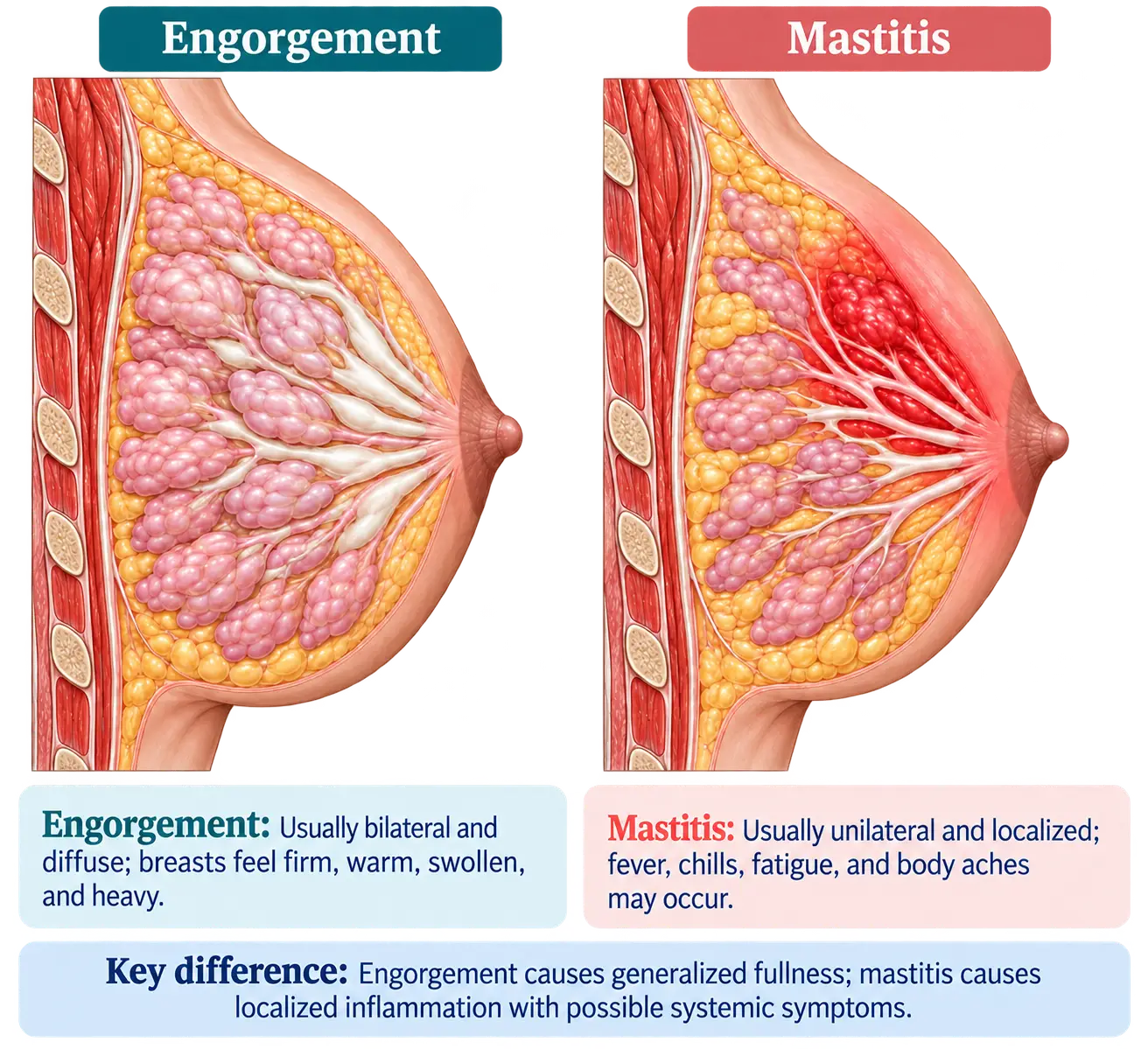
Engorgement
Painful swelling of breasts due to milk production.
Afterpains
Uterine contractions aiding involution.
Bonding
Parents’ emotional connection to the newborn.
LATCH score
An objective clinical assessment tool used to measure breastfeeding success and identify maternal-infant dyads requiring additional lactation support.

Immediate postpartum assessment (first 1–2 hours)

This is the most dangerous period for postpartum hemorrhage: the leading cause of maternal mortality worldwide.

The “BUBBLE-HE” assessment

Performed as frequently as every 15 minutes during the first hour:

  • Breasts
  • Uterus (fundus)
  • Bladder
  • Bowels
  • Lochia - persistent vaginal discharge for weeks after birth
  • Episiotomy/laceration
  • Homan’s sign (no longer recommended; replaced with DVT assessment)
  • Emotional status
alt_text
//////Caption: BUBBLE-HE Postpartum Assessment
Illustration type: Infographic
Illustration Note: Summarize each component of the BUBBLE-HE assessment with brief nursing assessment points.///////

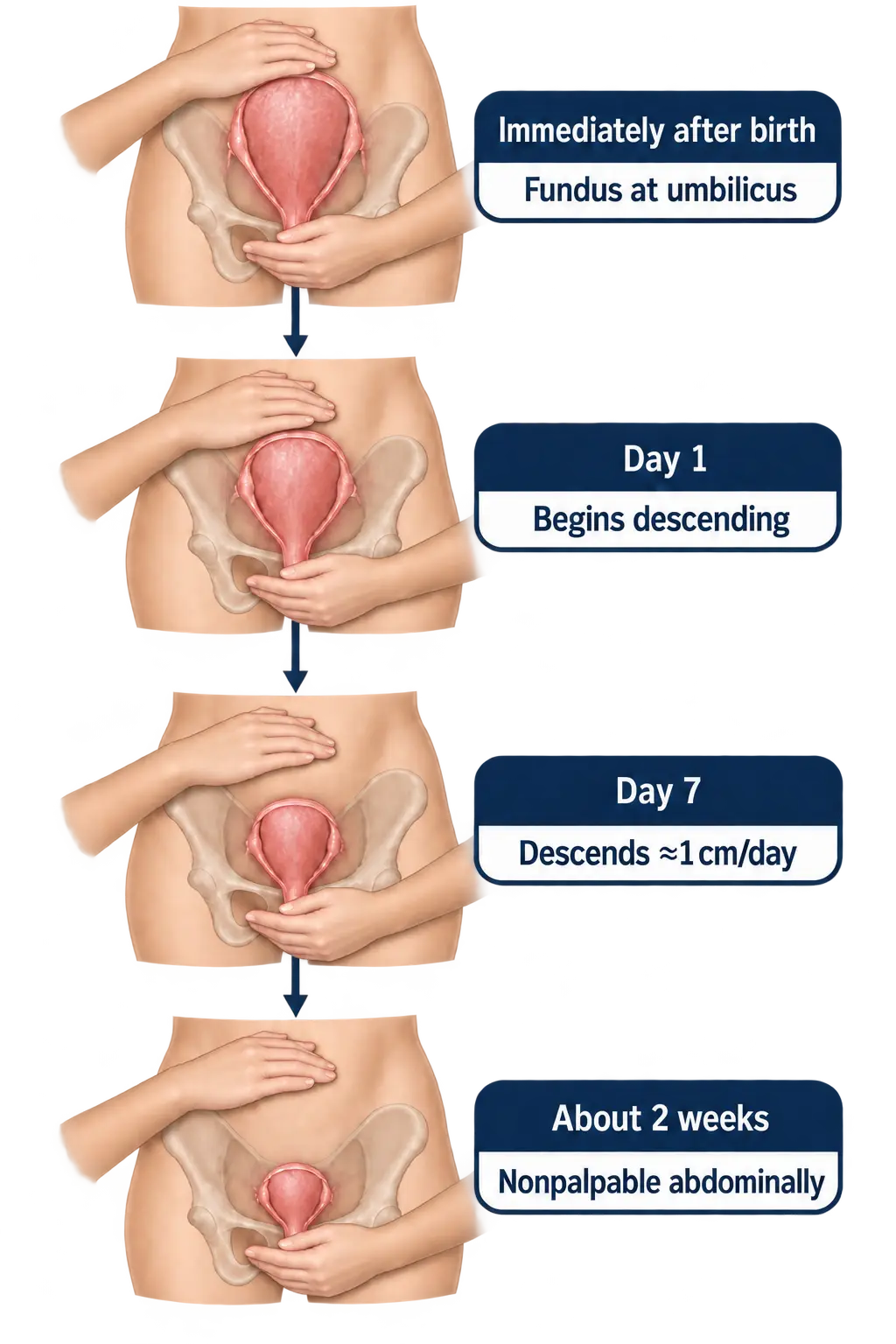
Uterine involution

Uterine involution is the physiological process by which the uterus transforms from its pregnant state back to its non-pregnant size and condition through efficient muscular contractions and tissue breakdown.

Normal

  • Fundus firm, midline
  • At the level of the umbilicus immediately after birth
  • Descends 1 cm per day(one fingerbreadth)
  • Nonpalpable by ~2 weeks postpartum
alt_text
//////Caption: Normal Postpartum Fundal Involution
Illustration type: Timeline diagram
Illustration Note: Show fundal position from immediately after birth until it becomes nonpalpable, including the expected descent of approximately 1 cm per day.///////

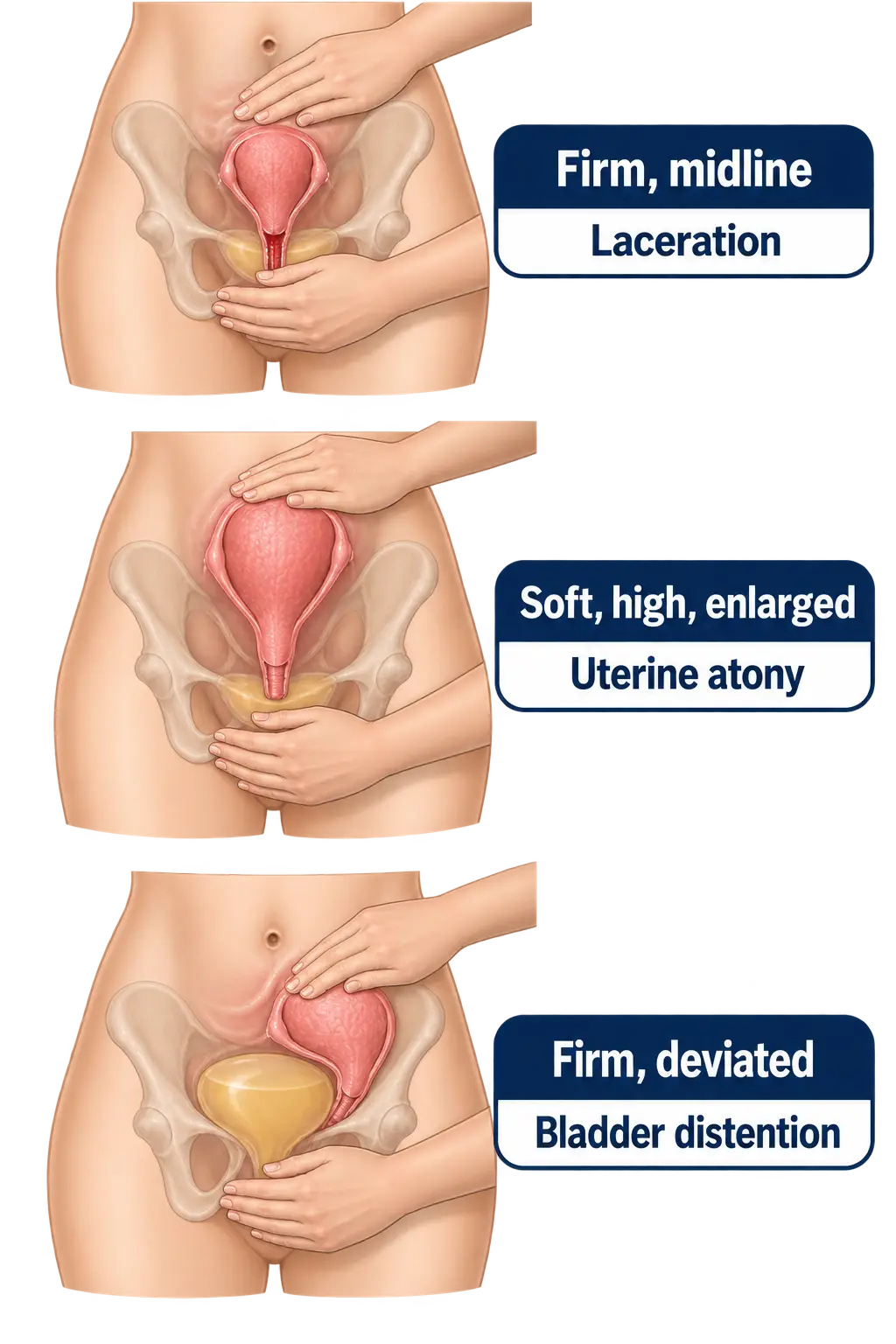
Abnormal

  • Boggy uterus → uterine atony → risk for hemorrhage
  • Firm fundus deviated to the right → full bladder
  • Slow descent → possible infection or retained placenta
Changes to the uterus postpartum that indicated complications
Postpartum uterine assessment

Nursing interventions

  • Massage fundus if boggy
  • Assist the client to void or perform a straight cath
  • Assess lochia with every fundal check

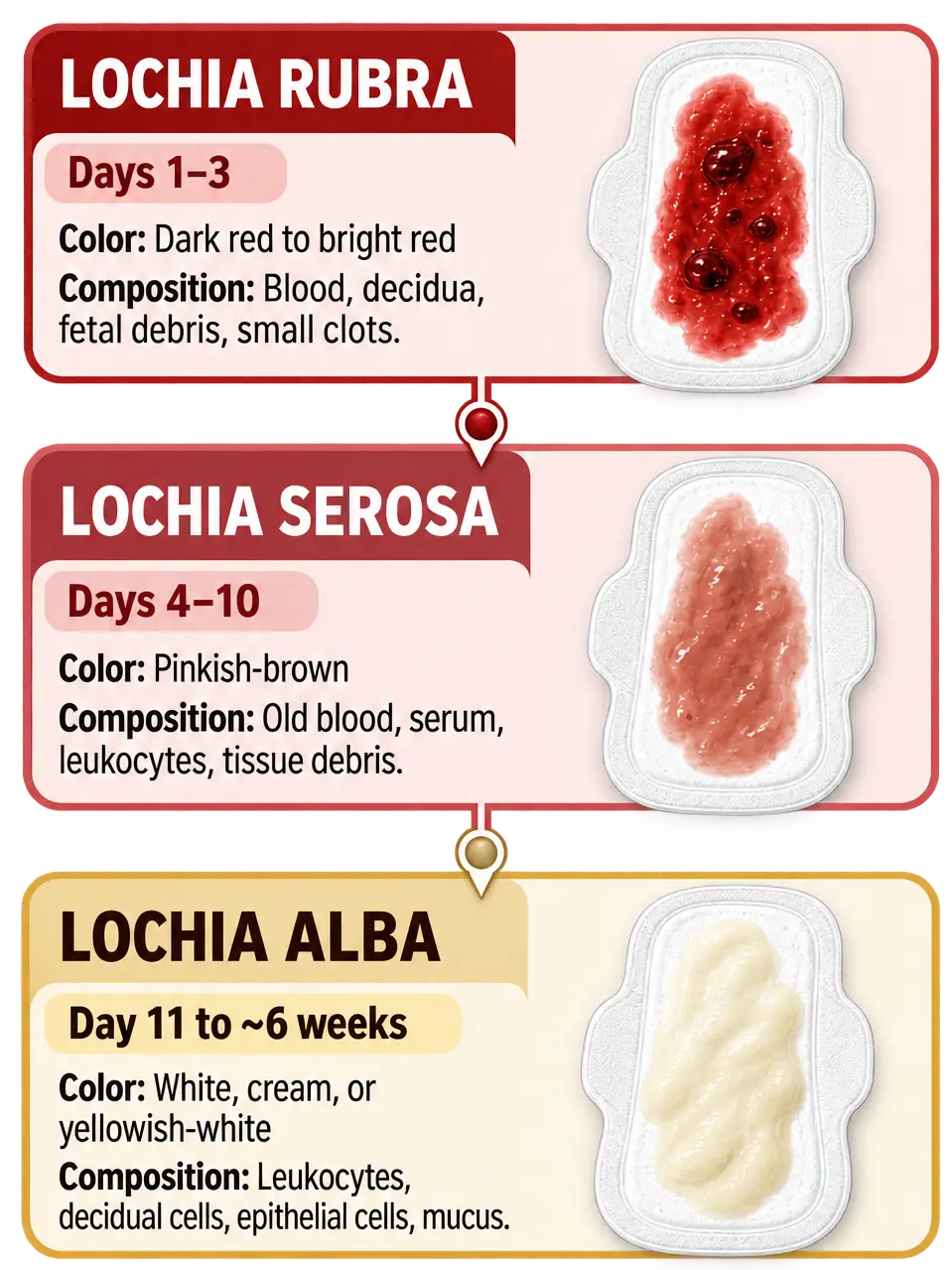
Lochia (postpartum vaginal discharge)

Lochia is the vaginal discharge occurring after childbirth, consisting of blood, mucus, and uterine tissue as the lining of the uterus sheds and heals.

Lochia changes over several weeks. (NCLEX loves this sequence):

  • Rubra (days 1–3): dark red, small clots
  • Serosa (days 4–10): pink or brown
  • Alba (day 11 to 6 weeks): white/yellow
The changes in characteristics of vaginal discharge postpartum
Lochia progression timeline

Abnormal findings:

  • Saturating >1 pad per hour
  • Foul odor (infection)
  • Green discharge
  • Large clots
  • Return to bright red bleeding after tapering (overexertion or hemorrhage)

NCLEX tip:

  • A uterus that is boggy AND high = atony.
  • A uterus that is firm BUT high & deviated = bladder distention.

Postpartum hemorrhage (PPH)

Postpartum hemorrhage (PPH) is the most life-threatening postpartum complication, occurring when there is excessive blood loss, either within the first 24 hours (Primary PPH) or between 24 hours and 12 weeks after birth (Secondary PPH).

Primary PPH: within 24 hours

Secondary PPH: 24 hours–12 weeks

Signs

  • Boggy uterus
  • Excessive lochia
  • Tachycardia, hypotension
  • Persistent bleeding despite firm fundus → think laceration

Four Ts (causes):

  • Tone: uterine atony (most common)
  • Trauma: lacerations, hematomas
  • Tissue: retained placenta
  • Thrombin: coagulopathies
alt_text
//////Caption: Causes of Postpartum Hemorrhage (The Four Ts)
Illustration type: Infographic
Illustration Note: Illustrate Tone, Trauma, Tissue, and Thrombin with simple icons and brief descriptions.///////

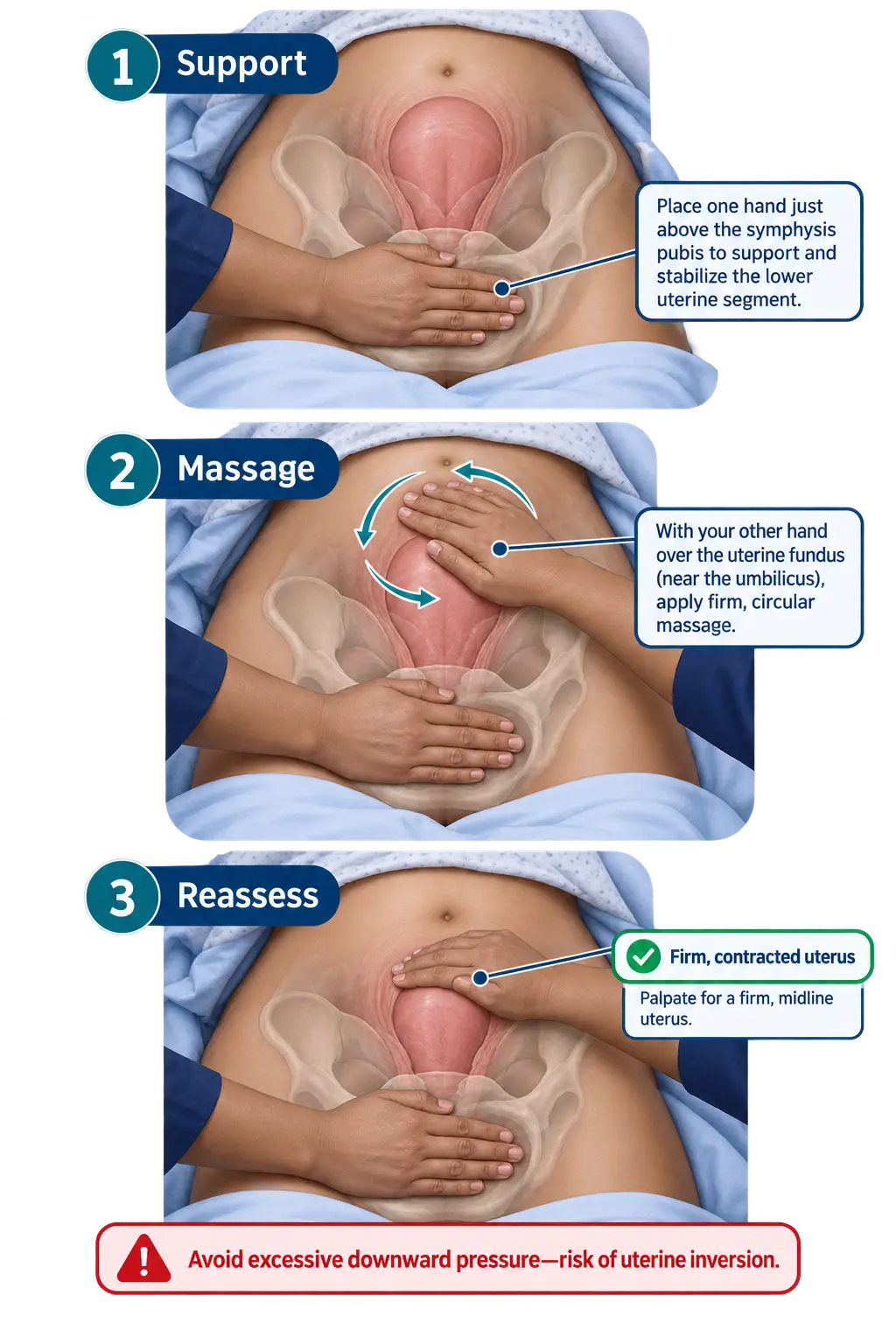
Nursing actions

  • Fundal massage
  • Administer oxytocin
  • Empty bladder
  • Apply O₂
  • Notify provider
  • Prepare for additional uterotonics (methylergonovine, carboprost)
alt_text
//////Caption: Correct Technique for Performing Fundal Massage
Illustration type: Step-by-step clinical illustration
Illustration Note: Illustrate proper hand placement with one hand supporting the lower uterine segment above the symphysis pubis while the other massages the uterine fundus using firm circular motions. Include the expected outcome of a firm, contracted uterus and emphasize avoiding excessive downward pressure to prevent uterine inversion.///////

Perineal care & pain management

Following delivery, the perineum requires diligent nursing assessment and intervention to promote tissue healing, prevent infection, and alleviate the physical discomfort associated with birth-related trauma. Effective management integrates both non-pharmacological comfort measures, such as thermal therapy, and tailored pharmacological protocols to ensure the client can rest and transition comfortably into early postpartum recovery.

Perineum & episiotomy/lacerations

  • Ice packs first 24 hours: Used to reduce edema and provide local anesthesia through vasoconstriction.
  • Sitz baths after 24 hours: Warm water immersion promotes vasodilation, increasing blood flow to the area to accelerate healing and provide comfort.
  • Assess for hematoma: Monitor for signs of severe unilateral pain, intense rectal pressure, or visible bulging and swelling, which may indicate internal bleeding.

Pain management

  • NSAIDs or acetaminophen
  • Opioids for severe pain (used with caution)
  • Encourage alternating positions and rest
alt_text
//////Caption: REEDA Assessment
Illustration type: Infographic
Illustration Note: Label Redness, Edema, Ecchymosis, Discharge, and Approximation with simple assessment cues.///////

Breast & lactation assessment

The breast and lactation assessment focuses on evaluating tissue integrity, milk production, and infant latch technique to ensure successful breastfeeding and the early identification of complications like mastitis or engorgement.

Breastfeeding parents

Breastfeeding is recommended as the optimal source of neonatal nutrition, providing passive immunity through antibodies and enhancing maternal-infant bonding.

  • Engorgement typically occurs days 3–5 as milk comes in.
  • Nipples should be intact, not cracked.
  • LATCH score used to assess breastfeeding effectiveness and identify dyads (parent-infant pairs) needing additional support.
Clinical scoring tool for apropriate breast feeding
LATCH score
alt_text
//////Caption: Breast Engorgement vs. Mastitis
Illustration type: Comparison table/infographic
Illustration Note: Compare clinical features, timing, symptoms, and nursing management.///////

Formula-feeding parents

Formula feeding may be indicated for clients with certain medical contraindications (e.g., some cytotoxic medications) or personal preference.

  • Wear a supportive bra
  • Avoid nipple stimulation
  • Ice packs & NSAIDs for engorgement

Note: as of 2023 CDC/HHS guidance, HIV-positive status alone is no longer an absolute contraindication to breastfeeding in the US; individuals on ART with sustained viral suppression may choose to breastfeed after shared decision-making counseling. Formula feeding remains advised when viral suppression isn’t achieved.

Postpartum physiologic changes

Postpartum physiologic changes encompass the complex series of systemic adaptations, from uterine involution to fluid shifts, that return a woman’s body to its non-pregnant state during the six-week puerperium.

Cardiovascular

  • Diuresis & diaphoresis are common
  • Risk for orthostatic hypotension
  • Mild bradycardia normal

Respiratory

  • Stabilizes rapidly unless complications are present

Gastrointestinal

  • Slowed bowels; constipation is common
  • Fear of first stool post-episiotomy is common

Urinary

  • Retention or incomplete emptying increases infection risk
  • Diuresis reduces edema

Musculoskeletal

  • Afterpains (more severe in multiparas)
  • Abdominal muscle laxity

Mood changes & mental health

Postpartum mood changes and mental health assessments are critical for distinguishing between the transient, self-limiting “baby blues” and more severe, persistent conditions like postpartum depression or psychosis that require immediate clinical intervention.

Postpartum blues

  • Onset: days 2–5
  • Resolves by day 10–14
  • Crying, mild mood swings, and overwhelmed feelings

Postpartum depression (PPD)

  • Onset: anytime in the first 12 months
  • Persistent sadness, anxiety, intrusive thoughts
  • Impaired ability to function or bond
  • Needs treatment

Postpartum psychosis (PPP)

  • Onset: first 2 weeks
  • Medical emergency: hallucinations, delusions, paranoia, risk of harm
alt_text
//////Caption: Postpartum Blues vs. Postpartum Depression vs. Postpartum Psychosis
Illustration type: Comparison infographic
Illustration Note: Compare onset, duration, symptoms, severity, and required interventions.///////

Infection prevention and warning signs

Postpartum infection monitoring is a critical nursing priority, as early detection of systemic or localized inflammatory responses is essential to preventing maternal morbidity and ensuring a safe recovery.

Postpartum infection (endometritis)

Endometritis is an infection of the uterine lining, most commonly occurring after a C-section or prolonged rupture of membranes.

Signs:

  • Fever: Typically > 100.4F (38C) after the first 24 hours.
  • Uterine tenderness: Severe pain upon palpation of the fundus.
  • Foul-smelling lochia: A key diagnostic sign distinguishing infection from normal discharge.
  • Elevated WBC and Tachycardia: Systemic signs of an active inflammatory process.

Mastitis

Mastitis is a regional infection of the breast tissue, often caused by bacterial entry through a cracked nipple or milk stasis.

  • Red, painful unilateral breast: Typically presents as a wedge-shaped, warm, and indurated area.
  • Fever, fatigue: Flu-like symptoms often precede the visible breast changes.
  • Lactation Management: It is vital to continue breastfeeding or pumping to empty the breast, as this prevents abscess formation, unless a purulent abscess is already present.

Urinary tract infection (UTI)

Postpartum patients are at increased risk for UTIs due to bladder trauma during birth, catheterization, or decreased bladder sensitivity.

  • Frequency, urgency: A persistent, strong urge to urinate.
  • Dysuria: Burning or pain during urination.
  • Hematuria: Presence of blood in the urine, which must be distinguished from lochia rubra.

Deep vein thrombosis (DVT)

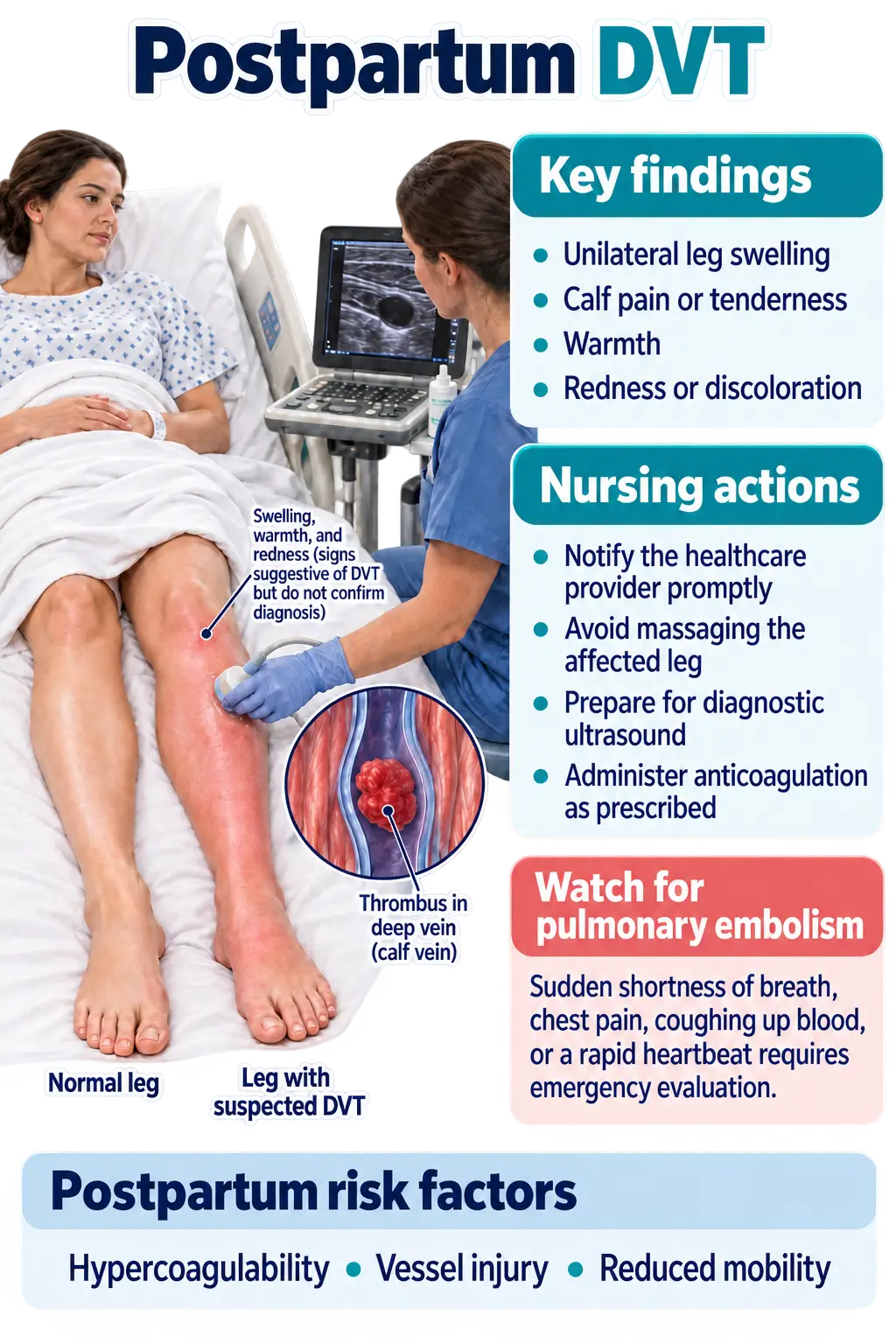
The postpartum period carries a significantly elevated risk for venous thromboembolism due to the hypercoagulable state of pregnancy, vessel trauma during delivery, and reduced mobility during recovery.

Assessment and clinical signs

  • Unilateral calf pain: Persistent aching or tenderness, often exacerbated by walking.
  • Redness, warmth, swelling: Measurable edema in one leg compared to the other.
Signs of deep vein thrombosis in woman after child birth
Postpartum DVT

Nursing actions:

  • Report immediately.
  • Encourage early ambulation once anticoagulation is initiated.
  • Avoid massaging the leg: this could dislodge the clot and lead to a pulmonary embolism.
  • Prepare for anticoagulation.

Discharge education

Discharge education is highly relevant for the NCLEX as it assesses the nurse’s ability to teach critical maternal warning signs and essential self-care measures, which are vital for preventing and recognizing life-threatening postpartum complications after the client leaves the hospital.

Maternal warning signs (CALL provider):

  • Heavy bleeding (soaking a pad/hr)
  • Fever >100.4°F (38°C)
  • Severe abdominal pain
  • Red, swollen leg
  • Foul-smelling lochia
  • Severe headache or vision changes
  • Difficulty breathing
  • Chest pain

Self-care education

  • Pelvic rest for 6 weeks
  • No heavy lifting
  • Safe return to activity
  • Perineal care instructions
  • Pain control guidance

Emotional support

  • Normalize anxiety and fatigue
  • Encourage partner involvement
  • Screen for depression with EPDS (Edinburgh scale)

Newborn and bonding support

  • Promote skin-to-skin
  • Assist with the first feeding
  • Support cue-based feeding
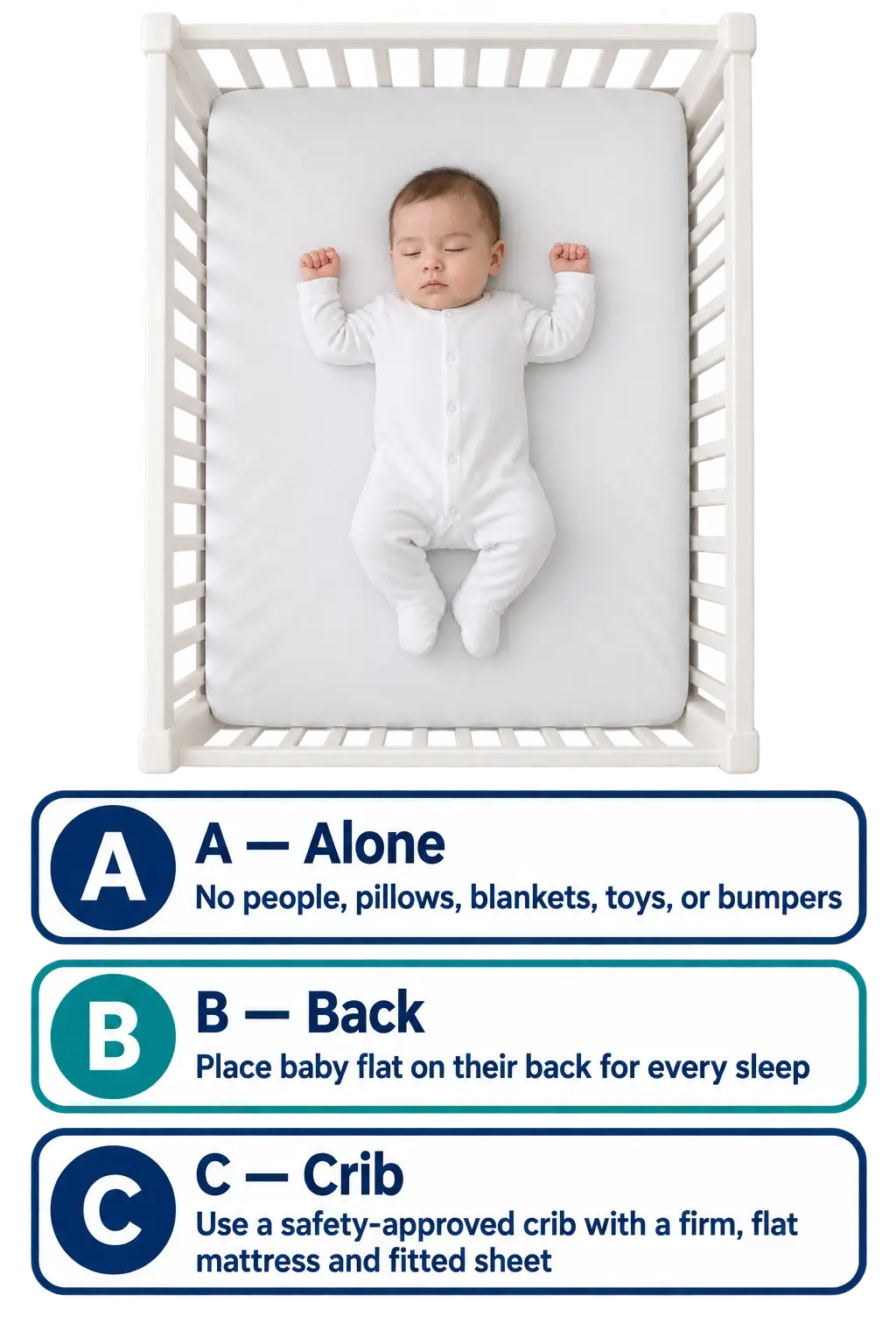
  • Teach newborn safety (back to sleep, car seat, infection prevention)
alt_text
//////Caption: ABCs of Safe Sleep
Illustration type: Patient education infographic
Illustration Note: Illustrate Alone, on the Back, in a Crib with appropriate infant sleep positioning.///////

Clinical vignette: A postpartum client reports intense perineal pressure and severe pain unrelieved by medication. Her lochia is minimal despite a firm fundus. The nurse inspects the perineum and finds unilateral swelling; a hematoma. She notifies the provider immediately. Prompt intervention prevents shock.

Common pitfalls on the NCLEX

  • Mistaking heavy bleeding with a firm uterus as normal → likely laceration.
  • Stopping breastfeeding with mastitis (incorrect).
  • Massaging a suspected hematoma (dangerous).
  • Assuming mood changes after 2 weeks are “baby blues.”
  • Ignoring a displaced fundus; usually bladder distention.
  • Fundus firm + midline = normal.
  • Rubra → serosa → alba progression.
  • PPH = leading cause of postpartum mortality.
  • Breastfeeding continues during mastitis.
  • PPD vs PPP distinction is critical for safety.

Sign up for free to take 5 quiz questions on this topic

Previous
Next  | 2.3.1 Immediate newborn adaptation & stabilization
All rights reserved ©2016 - 2026 Achievable, Inc.

Postpartum care

Introduction

The postpartum period, often called the fourth trimester, is a physiologic and emotional recalibration unlike any other. In a matter of hours, a birthing parent’s body transitions from pregnancy to lactation, from expanded blood volume to sudden fluid shifts, from uterine distention to involution, and from intense anticipation to a newborn in arms.

NCLEX treats postpartum care as a priority domain because early recognition of complications (hemorrhage, infection, mood disorders) saves lives. Postpartum nursing means honoring the transformation while safeguarding against what can go wrong.

Learning objectives

By the end of this section, you should be able to:

  • Describe normal postpartum adaptations of all major body systems.
  • Distinguish between normal and abnormal lochia, fundal findings, and vital signs.
  • Recognize early signs of postpartum hemorrhage, infection, preeclampsia, and mood disorders.
  • Provide effective pain management, perineal care, and breastfeeding support.
  • Educate families on newborn care and maternal self-care.
  • Apply NCLEX priority actions for postpartum emergencies.
Definitions
Episiotomy
A surgical incision made in the perineum during the second stage of labor to quickly enlarge the vaginal opening and facilitate delivery.
Lochia
The vaginal discharge occurring after childbirth, consisting of blood, mucus, and uterine tissue as the lining of the uterus sheds and heals during the first few weeks of the postpartum period.
Sitz bath
A shallow basin filled with warm water in which the client sits to soothe and cleanse the perineal area.
Fundal involution
Return of the uterus to its pre-pregnancy size.
Engorgement
Painful swelling of breasts due to milk production.
Afterpains
Uterine contractions aiding involution.
Bonding
Parents’ emotional connection to the newborn.
LATCH score
An objective clinical assessment tool used to measure breastfeeding success and identify maternal-infant dyads requiring additional lactation support.

Immediate postpartum assessment (first 1–2 hours)

This is the most dangerous period for postpartum hemorrhage: the leading cause of maternal mortality worldwide.

The “BUBBLE-HE” assessment

Performed as frequently as every 15 minutes during the first hour:

  • Breasts
  • Uterus (fundus)
  • Bladder
  • Bowels
  • Lochia - persistent vaginal discharge for weeks after birth
  • Episiotomy/laceration
  • Homan’s sign (no longer recommended; replaced with DVT assessment)
  • Emotional status
alt_text
//////Caption: BUBBLE-HE Postpartum Assessment
Illustration type: Infographic
Illustration Note: Summarize each component of the BUBBLE-HE assessment with brief nursing assessment points.///////

Uterine involution

Uterine involution is the physiological process by which the uterus transforms from its pregnant state back to its non-pregnant size and condition through efficient muscular contractions and tissue breakdown.

Normal

  • Fundus firm, midline
  • At the level of the umbilicus immediately after birth
  • Descends 1 cm per day(one fingerbreadth)
  • Nonpalpable by ~2 weeks postpartum
alt_text
//////Caption: Normal Postpartum Fundal Involution
Illustration type: Timeline diagram
Illustration Note: Show fundal position from immediately after birth until it becomes nonpalpable, including the expected descent of approximately 1 cm per day.///////

Abnormal

  • Boggy uterus → uterine atony → risk for hemorrhage
  • Firm fundus deviated to the right → full bladder
  • Slow descent → possible infection or retained placenta

Nursing interventions

  • Massage fundus if boggy
  • Assist the client to void or perform a straight cath
  • Assess lochia with every fundal check

Lochia (postpartum vaginal discharge)

Lochia is the vaginal discharge occurring after childbirth, consisting of blood, mucus, and uterine tissue as the lining of the uterus sheds and heals.

Lochia changes over several weeks. (NCLEX loves this sequence):

  • Rubra (days 1–3): dark red, small clots
  • Serosa (days 4–10): pink or brown
  • Alba (day 11 to 6 weeks): white/yellow

Abnormal findings:

  • Saturating >1 pad per hour
  • Foul odor (infection)
  • Green discharge
  • Large clots
  • Return to bright red bleeding after tapering (overexertion or hemorrhage)

NCLEX tip:

  • A uterus that is boggy AND high = atony.
  • A uterus that is firm BUT high & deviated = bladder distention.

Postpartum hemorrhage (PPH)

Postpartum hemorrhage (PPH) is the most life-threatening postpartum complication, occurring when there is excessive blood loss, either within the first 24 hours (Primary PPH) or between 24 hours and 12 weeks after birth (Secondary PPH).

Primary PPH: within 24 hours

Secondary PPH: 24 hours–12 weeks

Signs

  • Boggy uterus
  • Excessive lochia
  • Tachycardia, hypotension
  • Persistent bleeding despite firm fundus → think laceration

Four Ts (causes):

  • Tone: uterine atony (most common)
  • Trauma: lacerations, hematomas
  • Tissue: retained placenta
  • Thrombin: coagulopathies
alt_text
//////Caption: Causes of Postpartum Hemorrhage (The Four Ts)
Illustration type: Infographic
Illustration Note: Illustrate Tone, Trauma, Tissue, and Thrombin with simple icons and brief descriptions.///////

Nursing actions

  • Fundal massage
  • Administer oxytocin
  • Empty bladder
  • Apply O₂
  • Notify provider
  • Prepare for additional uterotonics (methylergonovine, carboprost)
alt_text
//////Caption: Correct Technique for Performing Fundal Massage
Illustration type: Step-by-step clinical illustration
Illustration Note: Illustrate proper hand placement with one hand supporting the lower uterine segment above the symphysis pubis while the other massages the uterine fundus using firm circular motions. Include the expected outcome of a firm, contracted uterus and emphasize avoiding excessive downward pressure to prevent uterine inversion.///////

Perineal care & pain management

Following delivery, the perineum requires diligent nursing assessment and intervention to promote tissue healing, prevent infection, and alleviate the physical discomfort associated with birth-related trauma. Effective management integrates both non-pharmacological comfort measures, such as thermal therapy, and tailored pharmacological protocols to ensure the client can rest and transition comfortably into early postpartum recovery.

Perineum & episiotomy/lacerations

  • Ice packs first 24 hours: Used to reduce edema and provide local anesthesia through vasoconstriction.
  • Sitz baths after 24 hours: Warm water immersion promotes vasodilation, increasing blood flow to the area to accelerate healing and provide comfort.
  • Assess for hematoma: Monitor for signs of severe unilateral pain, intense rectal pressure, or visible bulging and swelling, which may indicate internal bleeding.

Pain management

  • NSAIDs or acetaminophen
  • Opioids for severe pain (used with caution)
  • Encourage alternating positions and rest
alt_text
//////Caption: REEDA Assessment
Illustration type: Infographic
Illustration Note: Label Redness, Edema, Ecchymosis, Discharge, and Approximation with simple assessment cues.///////

Breast & lactation assessment

The breast and lactation assessment focuses on evaluating tissue integrity, milk production, and infant latch technique to ensure successful breastfeeding and the early identification of complications like mastitis or engorgement.

Breastfeeding parents

Breastfeeding is recommended as the optimal source of neonatal nutrition, providing passive immunity through antibodies and enhancing maternal-infant bonding.

  • Engorgement typically occurs days 3–5 as milk comes in.
  • Nipples should be intact, not cracked.
  • LATCH score used to assess breastfeeding effectiveness and identify dyads (parent-infant pairs) needing additional support.
alt_text
//////Caption: Breast Engorgement vs. Mastitis
Illustration type: Comparison table/infographic
Illustration Note: Compare clinical features, timing, symptoms, and nursing management.///////

Formula-feeding parents

Formula feeding may be indicated for clients with certain medical contraindications (e.g., some cytotoxic medications) or personal preference.

  • Wear a supportive bra
  • Avoid nipple stimulation
  • Ice packs & NSAIDs for engorgement

Note: as of 2023 CDC/HHS guidance, HIV-positive status alone is no longer an absolute contraindication to breastfeeding in the US; individuals on ART with sustained viral suppression may choose to breastfeed after shared decision-making counseling. Formula feeding remains advised when viral suppression isn’t achieved.

Postpartum physiologic changes

Postpartum physiologic changes encompass the complex series of systemic adaptations, from uterine involution to fluid shifts, that return a woman’s body to its non-pregnant state during the six-week puerperium.

Cardiovascular

  • Diuresis & diaphoresis are common
  • Risk for orthostatic hypotension
  • Mild bradycardia normal

Respiratory

  • Stabilizes rapidly unless complications are present

Gastrointestinal

  • Slowed bowels; constipation is common
  • Fear of first stool post-episiotomy is common

Urinary

  • Retention or incomplete emptying increases infection risk
  • Diuresis reduces edema

Musculoskeletal

  • Afterpains (more severe in multiparas)
  • Abdominal muscle laxity

Mood changes & mental health

Postpartum mood changes and mental health assessments are critical for distinguishing between the transient, self-limiting “baby blues” and more severe, persistent conditions like postpartum depression or psychosis that require immediate clinical intervention.

Postpartum blues

  • Onset: days 2–5
  • Resolves by day 10–14
  • Crying, mild mood swings, and overwhelmed feelings

Postpartum depression (PPD)

  • Onset: anytime in the first 12 months
  • Persistent sadness, anxiety, intrusive thoughts
  • Impaired ability to function or bond
  • Needs treatment

Postpartum psychosis (PPP)

  • Onset: first 2 weeks
  • Medical emergency: hallucinations, delusions, paranoia, risk of harm
alt_text
//////Caption: Postpartum Blues vs. Postpartum Depression vs. Postpartum Psychosis
Illustration type: Comparison infographic
Illustration Note: Compare onset, duration, symptoms, severity, and required interventions.///////

Infection prevention and warning signs

Postpartum infection monitoring is a critical nursing priority, as early detection of systemic or localized inflammatory responses is essential to preventing maternal morbidity and ensuring a safe recovery.

Postpartum infection (endometritis)

Endometritis is an infection of the uterine lining, most commonly occurring after a C-section or prolonged rupture of membranes.

Signs:

  • Fever: Typically > 100.4F (38C) after the first 24 hours.
  • Uterine tenderness: Severe pain upon palpation of the fundus.
  • Foul-smelling lochia: A key diagnostic sign distinguishing infection from normal discharge.
  • Elevated WBC and Tachycardia: Systemic signs of an active inflammatory process.

Mastitis

Mastitis is a regional infection of the breast tissue, often caused by bacterial entry through a cracked nipple or milk stasis.

  • Red, painful unilateral breast: Typically presents as a wedge-shaped, warm, and indurated area.
  • Fever, fatigue: Flu-like symptoms often precede the visible breast changes.
  • Lactation Management: It is vital to continue breastfeeding or pumping to empty the breast, as this prevents abscess formation, unless a purulent abscess is already present.

Urinary tract infection (UTI)

Postpartum patients are at increased risk for UTIs due to bladder trauma during birth, catheterization, or decreased bladder sensitivity.

  • Frequency, urgency: A persistent, strong urge to urinate.
  • Dysuria: Burning or pain during urination.
  • Hematuria: Presence of blood in the urine, which must be distinguished from lochia rubra.

Deep vein thrombosis (DVT)

The postpartum period carries a significantly elevated risk for venous thromboembolism due to the hypercoagulable state of pregnancy, vessel trauma during delivery, and reduced mobility during recovery.

Assessment and clinical signs

  • Unilateral calf pain: Persistent aching or tenderness, often exacerbated by walking.
  • Redness, warmth, swelling: Measurable edema in one leg compared to the other.

Nursing actions:

  • Report immediately.
  • Encourage early ambulation once anticoagulation is initiated.
  • Avoid massaging the leg: this could dislodge the clot and lead to a pulmonary embolism.
  • Prepare for anticoagulation.

Discharge education

Discharge education is highly relevant for the NCLEX as it assesses the nurse’s ability to teach critical maternal warning signs and essential self-care measures, which are vital for preventing and recognizing life-threatening postpartum complications after the client leaves the hospital.

Maternal warning signs (CALL provider):

  • Heavy bleeding (soaking a pad/hr)
  • Fever >100.4°F (38°C)
  • Severe abdominal pain
  • Red, swollen leg
  • Foul-smelling lochia
  • Severe headache or vision changes
  • Difficulty breathing
  • Chest pain

Self-care education

  • Pelvic rest for 6 weeks
  • No heavy lifting
  • Safe return to activity
  • Perineal care instructions
  • Pain control guidance

Emotional support

  • Normalize anxiety and fatigue
  • Encourage partner involvement
  • Screen for depression with EPDS (Edinburgh scale)

Newborn and bonding support

  • Promote skin-to-skin
  • Assist with the first feeding
  • Support cue-based feeding
  • Teach newborn safety (back to sleep, car seat, infection prevention)
alt_text
//////Caption: ABCs of Safe Sleep
Illustration type: Patient education infographic
Illustration Note: Illustrate Alone, on the Back, in a Crib with appropriate infant sleep positioning.///////

Clinical vignette: A postpartum client reports intense perineal pressure and severe pain unrelieved by medication. Her lochia is minimal despite a firm fundus. The nurse inspects the perineum and finds unilateral swelling; a hematoma. She notifies the provider immediately. Prompt intervention prevents shock.

Common pitfalls on the NCLEX

  • Mistaking heavy bleeding with a firm uterus as normal → likely laceration.
  • Stopping breastfeeding with mastitis (incorrect).
  • Massaging a suspected hematoma (dangerous).
  • Assuming mood changes after 2 weeks are “baby blues.”
  • Ignoring a displaced fundus; usually bladder distention.
Key points
  • Fundus firm + midline = normal.
  • Rubra → serosa → alba progression.
  • PPH = leading cause of postpartum mortality.
  • Breastfeeding continues during mastitis.
  • PPD vs PPP distinction is critical for safety.

More from Antepartum, intrapartum and postpartum

  • Antepartum care
  • Intrapartum care