


Achievable logoAchievable logo
CCMA
Sign in
Sign up
Purchase
Textbook
Practice exams
Support
How it works
Exam catalog
Mountain with a flag at the peak
Textbook
1. Medical assistant
2. Electronic records
3. Medical terminology and anatomy
4. The fundamentals of infection control
5. Introduction to vital signs
6. The patient interview and history
7. The physical examination
8. Appointment scheduling
9. Insurance billing
10. Diagnostic coding and the ICD-10-CM System
11. Procedural coding
12. Medical billing and reimbursement essentials
13. Assisting with medical specialties
14. Assisting with the musculoskeletal system
15. Assisting with the cardiovascular system
16. Assisting with the respiratory system
17. Assisting with the nervous system
18. Anatomy and physiology of the urinary system
19. Assisting in obstetrics and gynecology
20. Assisting in endocrinology
21. Assisting in ophthalmology & otolaryngology
22. Assisting in gastroenterology
23. Assisting in the immune & lymphatic systems
24. Assisting in pediatrics: the developmental stages and care
25. The medical assistant’s role in caring for the older patient
26. The role of the medical assistant in physical therapy examination and assessment
27. Preparing for minor surgery: room, solutions, and supplies
27.1 Assisting in surgery
27.2 Surgical instruments: cutting and grasping
27.3 Drapes and sutures
27.4 Autoclave loading/unloading, chemical sterilization, and professional responsibilities
27.5 Surgical asepsis, instrument care, and the utility room
27.6 The autoclave process: operation, wrapping, and quality assurance
27.7 Dressings, bandages, and professional conduct
27.8 Introduction to minor office surgery and technology
27.9 Specialized procedures and preoperative preparation
27.10 Sterile technique and intraoperative assistance
27.11 Completing surgery and postoperative care
28. Introduction to the clinical laboratory
29. Urinalysis
30. Blood collection
31. Analysis of blood
32. Electrocardiography and heart structure
33. The principles of pharmacology
34. Essential calculations and measurement systems
35. Solid, liquid, & solutions medication doses
36. Administering medications
37. Metabolism and core nutrient roles
38. Medical emergencies in the healthcare setting
Achievable logoAchievable logo
27.1 Assisting in surgery
Achievable CCMA
27. Preparing for minor surgery: room, solutions, and supplies
Our CCMA course is currently in development and is a work-in-progress.

Assisting in surgery

8 min read
Font
Discuss
Share
Feedback

Surgical supplies & instruments

Office surgery is restricted to the management of minor problems and injuries. As a medical assistant you are expected to prepare the patient and the sterile field, assist the provider as needed, take care of the patient after the procedure, properly disinfect the area, and document appropriately. Some medical assistants are employed in outpatient surgical facilities and are expected to assist with procedures that once were performed in hospitals. Although these more difficult operations may involve complete gowning and gloving with surgical masks and caps, the two surgical chapters in this text limit discussion and descriptions to the routines necessary to prepare for and assist in minor surgery only. This chapter includes a discussion of surgical supplies and instruments, the care and handling of instruments, the different types of surgical sutures and needles, and sterilization procedures. The next chapter explores preparation of the sterile field, specific minor surgical procedures, and care of the patient.

Preparing for minor surgery

It is important to have an understanding of how the minor surgery room is set up and what solutions and medications should be available during a minor surgical procedure. Being prepared for all possible needs ensures that the procedure will go as smoothly as possible. It is often the medical assistant’s responsibility to prepare the minor surgery room, including checking that all solutions and medications are available. The following sections discuss the minor surgery room and the solutions and medications needed.

Minor surgery room

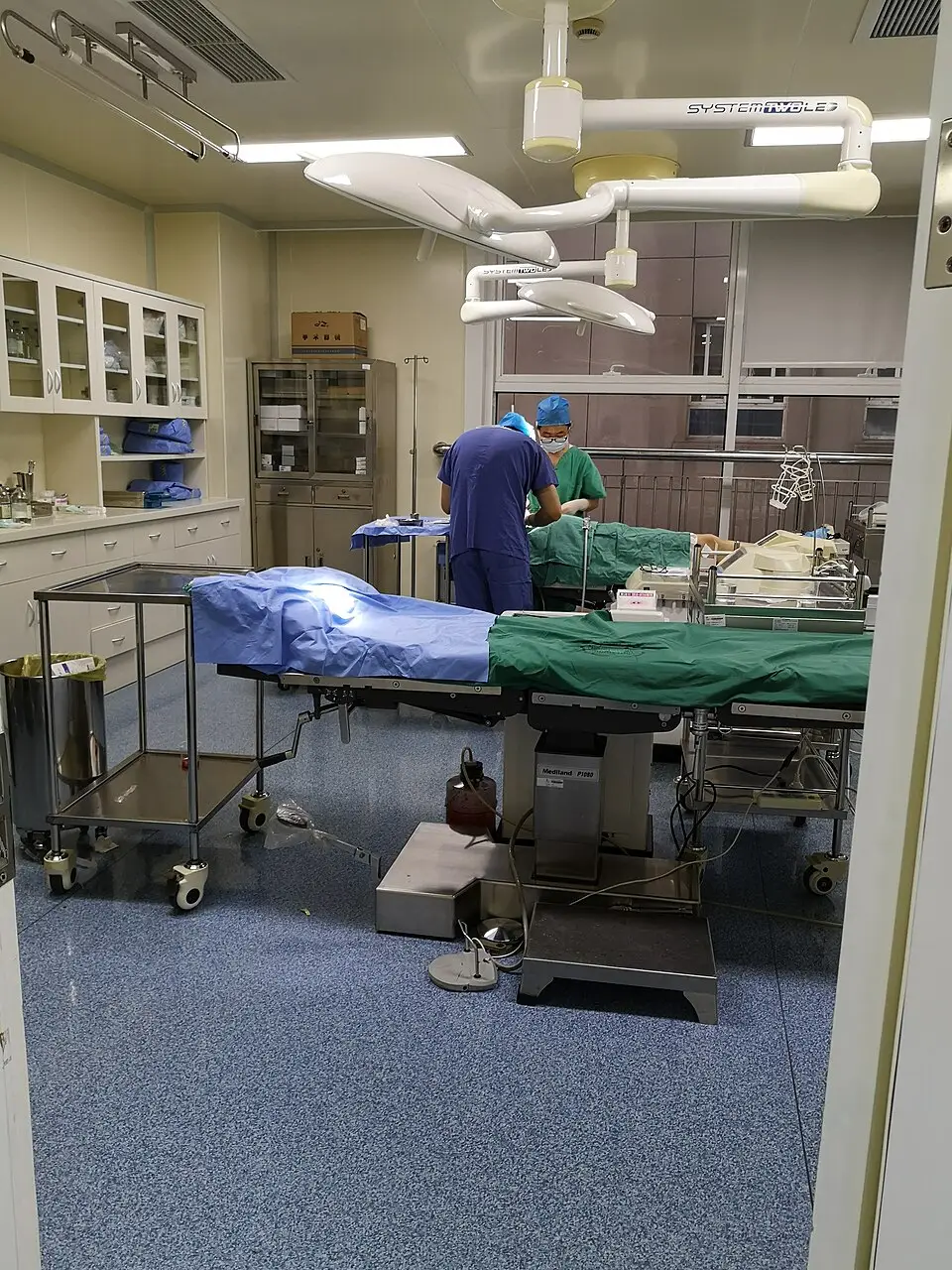
When minor surgery is routinely performed, a minor surgery room that is separate from the other examining rooms may be used. Recovery rooms and family waiting areas may also be available and are common in the larger surgery centers. The minor surgery room in a provider’s office, often called the procedure room, should be near a workroom with a sink and an autoclave. In some facilities, the sink and autoclave will be located in the procedure room. Cabinets with countertops serve as a side or back table during surgical procedures. Regardless of the setup, it should be easy to disinfect the area, and it should remain uncluttered to allow for easy access to the patient and necessary supplies.

Surgical supplies, wound care equipment, medications, and biopsy containers are stored in the cabinets. The exam table should be easy to adjust. In addition, the room should have bright lighting, a Mayo stand for instruments, vital signs equipment, and possibly an electrocardiograph (ECG) machine as part of the standard equipment.

Surgical solutions and medications

Procedure room supplies include the standard solutions and medications used in minor surgery and dressing changes. Although the solutions and medications listed here are basic, every healthcare facility has preferred items and methods of applying them. The medical assistant is responsible for their care and for maintaining up-to-date supplies.

Sterile water is kept in two forms. Multiple-dose or single-use vials are used as a diluent for medications. Larger containers of sterile water are for irrigating wounds or rinsing instruments that have been in a chemical disinfectant solution.

Surgical procedure room in an ambulatory care setting
Surgical procedure room in ambulatory care
Wikimedia Commons
/
CC BY-SA 4.0

Sterile normal saline solution is also stocked in two sizes. The small vial is used for injection (e.g., 0.9% Sodium Chloride Injection USP single-dose vials, Bacteriostatic 0.9% Sodium Chloride Injection USP multiple-dose vials). A larger plastic container of sterile saline (e.g., 0.9% Sodium Chloride Irrigation USP) is used for cleaning, rinsing, and irrigating wounds. These commercially prepared products are ordered from a medical supply company.

Before surgery, the surgical site on the patient must be disinfected with an antiseptic skin cleansing preparation. This will reduce the number of pathogens. Although it is not possible to remove all microorganisms from the skin, using an antiseptic cleanser will remove most of the transient and pathogenic microorganisms; resident flora will also be reduced. Research indicates that chlorhexidine gluconate products (Hibiclens) and povidone-iodine (Betadine) are safe and effective antiseptics.

The provider’s hands and those of the medical assistant should be scrubbed to reduce the chances of wound contamination, even though the hands will be covered by sterile gloves. Surgical scrub preparations should perform the following functions:

  • Be effective against bacterial spores
  • Work to reduce transient bacteria
  • Show evidence of persistent activity on the skin
  • Work despite the presence of organic matter, such as blood or wound drainage

Research has shown that using a hand sanitizer can be as effective as an extensive surgical scrub.

Even minor surgical procedures require the use of anesthetics, which either are injected locally at the site of the procedure or may be applied topically to the skin. For patients who find injections of a local anesthetic painful or traumatic, the provider may first apply a topical anesthetic. Topical anesthetics come in many forms, including sprays, gels, lotions, swabs, and foams. After the topical anesthetic has time to take effect, the provider injects the local anesthetic around the surgical area.

Another topical anesthetic is an ethyl chloride spray, a vapocoolant that controls pain associated with minor surgical procedures (e.g., lancing boils, incision, and drainage of small abscesses) by causing freezing of the affected area. Because ethyl chloride is highly flammable, it should never be used in the presence of electrical cauterizing equipment. In addition, petroleum jelly must be applied to the surrounding areas to protect them from the cooling action of the spray. Ethyl chloride spray has a short duration of action, so all equipment must be prepared, and the provider must be ready to perform the procedure before the spray is applied.

Local anesthetics are injected into the subcutaneous tissue. These produce a temporary numbing at the site of injection by blocking the generation and conduction of nerve impulses. Many types of local anesthetics are available, but all share the same suffix, -caine, such as lidocaine (Xylocaine), procaine (Novocain), chloroprocaine (Nesacaine), and bupivacaine (Sensorcaine). Local anesthetics are purchased in multiple-dose vials of 30 to 50 mL and various strengths, such as 0.5%, 1%, and 2%. They begin acting relatively quickly, within 5 to 15 minutes; the duration of action depends on the type of anesthetic, but they usually last 1 to 3 hours. When highly vascular areas are involved, local anesthetics containing epinephrine may be used. Epinephrine causes vasoconstriction at the site, which keeps the anesthetic in the tissues longer, prolonging its effect. It also minimizes bleeding. However, epinephrine is not used in areas where decreased circulation may cause problems with healing, such as fingertips or toes.

All tissues removed or biopsied are sent to the pathology laboratory for analysis. A 10% formalin solution is typically used to preserve excised tissue for specimens. Specimen bottles are purchased with preservatives included and should be part of the supplies prepared for a surgical procedure if a biopsy is to be done. The provider places the specimen in the container. The medical assistant is responsible for accurately labeling the container with the following information:

  • Patient’s name and date of birth
  • Medical history number
  • Date of collection
  • Type of specimen

Sometimes the provider may want to use topical silver nitrate (AgNO3) solution or coated applicator sticks to stop localized bleeding, such as with epistaxis (nosebleed) or capillary bleeding at the site of a wound. The applicators must be kept in light proof containers. The applicator sticks are convenient for use in the mouth or nose.

Additional surgical supplies

  • Sterilized gauze squares or strips saturated with petroleum jelly or petrolatum—used to pack wounds
  • Surgical sponges—used to absorb blood and protect tissues during surgery
  • Syringes and needles—used to inject local anesthetics and irrigate wounds
  • Sterile dressing and bandaging materials
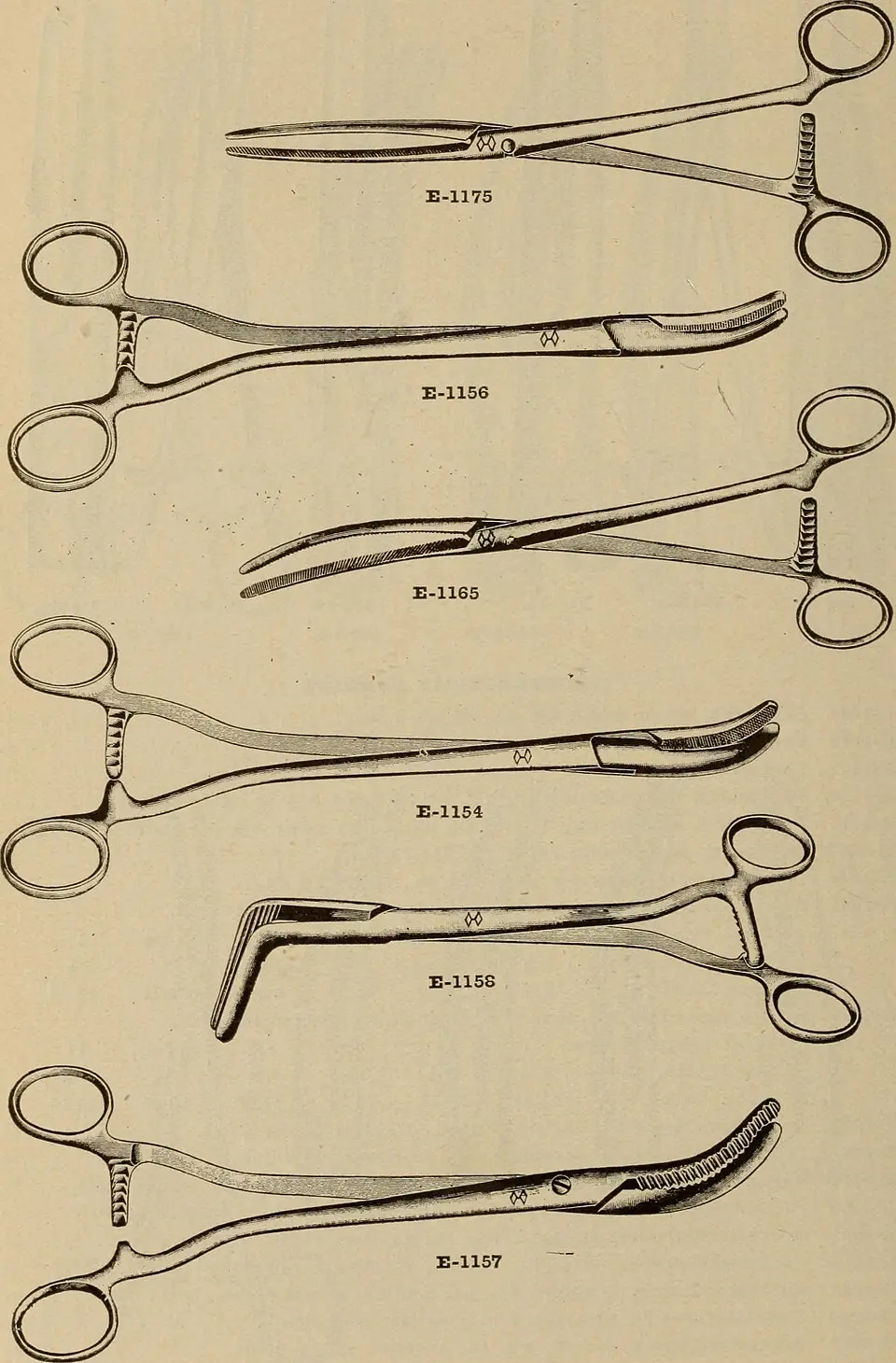
Forceps and surgical instruments with serrated edges displayed
Forcepts and instruments with serrations
Wikimedia Commons
/
Public Domain

Surgical supplies & instruments

  • Medical assistant roles: prepare patient/field, assist provider, post-procedure care, disinfect, document
  • Focus on minor surgery routines: supplies, instruments, sutures/needles, sterilization
  • Outpatient settings may require more advanced preparation (gowning, gloving, masks, caps)

Preparing for minor surgery

  • Understand room setup and required solutions/medications
  • Medical assistant ensures all supplies are available and ready

Minor surgery room

  • Dedicated procedure room preferred; near sink and autoclave
  • Cabinets for supplies, adjustable exam table, bright lighting, Mayo stand, vital signs equipment, possible ECG
  • Room must be easy to disinfect and uncluttered

Surgical solutions and medications

  • Sterile water: small vials (medication diluent), large containers (irrigation/rinsing)
  • Sterile normal saline: small vials (injection), large containers (cleaning/irrigation)
  • Antiseptic skin cleansers: chlorhexidine gluconate (Hibiclens), povidone-iodine (Betadine)
  • Surgical hand scrubs: reduce bacteria, effective against spores, persistent activity, work with organic matter
    • Hand sanitizers may be as effective as surgical scrubs
  • Anesthetics:
    • Topical (sprays, gels, foams) for initial numbing
    • Ethyl chloride spray: vapocoolant, short action, flammable, avoid with electrical equipment
    • Local anesthetics (-caine suffix): lidocaine, procaine, etc.; injected, fast-acting, 1–3 hours duration
    • With epinephrine: prolongs effect, reduces bleeding; avoid in areas with poor circulation
  • Specimen handling: use 10% formalin, label with patient info, date, specimen type
  • Silver nitrate: stops localized bleeding, light-proof storage, convenient for mouth/nose

Additional surgical supplies

  • Sterilized gauze with petroleum jelly: wound packing
  • Surgical sponges: absorb blood, protect tissues
  • Syringes and needles: inject anesthetics, irrigate wounds
  • Sterile dressing and bandaging materials

Sign up for free to take 11 quiz questions on this topic

Previous
Next  | 27.2 Surgical instruments: cutting and grasping
All rights reserved ©2016 - 2026 Achievable, Inc.

Assisting in surgery

Surgical supplies & instruments

Office surgery is restricted to the management of minor problems and injuries. As a medical assistant you are expected to prepare the patient and the sterile field, assist the provider as needed, take care of the patient after the procedure, properly disinfect the area, and document appropriately. Some medical assistants are employed in outpatient surgical facilities and are expected to assist with procedures that once were performed in hospitals. Although these more difficult operations may involve complete gowning and gloving with surgical masks and caps, the two surgical chapters in this text limit discussion and descriptions to the routines necessary to prepare for and assist in minor surgery only. This chapter includes a discussion of surgical supplies and instruments, the care and handling of instruments, the different types of surgical sutures and needles, and sterilization procedures. The next chapter explores preparation of the sterile field, specific minor surgical procedures, and care of the patient.

Preparing for minor surgery

It is important to have an understanding of how the minor surgery room is set up and what solutions and medications should be available during a minor surgical procedure. Being prepared for all possible needs ensures that the procedure will go as smoothly as possible. It is often the medical assistant’s responsibility to prepare the minor surgery room, including checking that all solutions and medications are available. The following sections discuss the minor surgery room and the solutions and medications needed.

Minor surgery room

When minor surgery is routinely performed, a minor surgery room that is separate from the other examining rooms may be used. Recovery rooms and family waiting areas may also be available and are common in the larger surgery centers. The minor surgery room in a provider’s office, often called the procedure room, should be near a workroom with a sink and an autoclave. In some facilities, the sink and autoclave will be located in the procedure room. Cabinets with countertops serve as a side or back table during surgical procedures. Regardless of the setup, it should be easy to disinfect the area, and it should remain uncluttered to allow for easy access to the patient and necessary supplies.

Surgical supplies, wound care equipment, medications, and biopsy containers are stored in the cabinets. The exam table should be easy to adjust. In addition, the room should have bright lighting, a Mayo stand for instruments, vital signs equipment, and possibly an electrocardiograph (ECG) machine as part of the standard equipment.

Surgical solutions and medications

Procedure room supplies include the standard solutions and medications used in minor surgery and dressing changes. Although the solutions and medications listed here are basic, every healthcare facility has preferred items and methods of applying them. The medical assistant is responsible for their care and for maintaining up-to-date supplies.

Sterile water is kept in two forms. Multiple-dose or single-use vials are used as a diluent for medications. Larger containers of sterile water are for irrigating wounds or rinsing instruments that have been in a chemical disinfectant solution.

Sterile normal saline solution is also stocked in two sizes. The small vial is used for injection (e.g., 0.9% Sodium Chloride Injection USP single-dose vials, Bacteriostatic 0.9% Sodium Chloride Injection USP multiple-dose vials). A larger plastic container of sterile saline (e.g., 0.9% Sodium Chloride Irrigation USP) is used for cleaning, rinsing, and irrigating wounds. These commercially prepared products are ordered from a medical supply company.

Before surgery, the surgical site on the patient must be disinfected with an antiseptic skin cleansing preparation. This will reduce the number of pathogens. Although it is not possible to remove all microorganisms from the skin, using an antiseptic cleanser will remove most of the transient and pathogenic microorganisms; resident flora will also be reduced. Research indicates that chlorhexidine gluconate products (Hibiclens) and povidone-iodine (Betadine) are safe and effective antiseptics.

The provider’s hands and those of the medical assistant should be scrubbed to reduce the chances of wound contamination, even though the hands will be covered by sterile gloves. Surgical scrub preparations should perform the following functions:

  • Be effective against bacterial spores
  • Work to reduce transient bacteria
  • Show evidence of persistent activity on the skin
  • Work despite the presence of organic matter, such as blood or wound drainage

Research has shown that using a hand sanitizer can be as effective as an extensive surgical scrub.

Even minor surgical procedures require the use of anesthetics, which either are injected locally at the site of the procedure or may be applied topically to the skin. For patients who find injections of a local anesthetic painful or traumatic, the provider may first apply a topical anesthetic. Topical anesthetics come in many forms, including sprays, gels, lotions, swabs, and foams. After the topical anesthetic has time to take effect, the provider injects the local anesthetic around the surgical area.

Another topical anesthetic is an ethyl chloride spray, a vapocoolant that controls pain associated with minor surgical procedures (e.g., lancing boils, incision, and drainage of small abscesses) by causing freezing of the affected area. Because ethyl chloride is highly flammable, it should never be used in the presence of electrical cauterizing equipment. In addition, petroleum jelly must be applied to the surrounding areas to protect them from the cooling action of the spray. Ethyl chloride spray has a short duration of action, so all equipment must be prepared, and the provider must be ready to perform the procedure before the spray is applied.

Local anesthetics are injected into the subcutaneous tissue. These produce a temporary numbing at the site of injection by blocking the generation and conduction of nerve impulses. Many types of local anesthetics are available, but all share the same suffix, -caine, such as lidocaine (Xylocaine), procaine (Novocain), chloroprocaine (Nesacaine), and bupivacaine (Sensorcaine). Local anesthetics are purchased in multiple-dose vials of 30 to 50 mL and various strengths, such as 0.5%, 1%, and 2%. They begin acting relatively quickly, within 5 to 15 minutes; the duration of action depends on the type of anesthetic, but they usually last 1 to 3 hours. When highly vascular areas are involved, local anesthetics containing epinephrine may be used. Epinephrine causes vasoconstriction at the site, which keeps the anesthetic in the tissues longer, prolonging its effect. It also minimizes bleeding. However, epinephrine is not used in areas where decreased circulation may cause problems with healing, such as fingertips or toes.

All tissues removed or biopsied are sent to the pathology laboratory for analysis. A 10% formalin solution is typically used to preserve excised tissue for specimens. Specimen bottles are purchased with preservatives included and should be part of the supplies prepared for a surgical procedure if a biopsy is to be done. The provider places the specimen in the container. The medical assistant is responsible for accurately labeling the container with the following information:

  • Patient’s name and date of birth
  • Medical history number
  • Date of collection
  • Type of specimen

Sometimes the provider may want to use topical silver nitrate (AgNO3) solution or coated applicator sticks to stop localized bleeding, such as with epistaxis (nosebleed) or capillary bleeding at the site of a wound. The applicators must be kept in light proof containers. The applicator sticks are convenient for use in the mouth or nose.

Additional surgical supplies

  • Sterilized gauze squares or strips saturated with petroleum jelly or petrolatum—used to pack wounds
  • Surgical sponges—used to absorb blood and protect tissues during surgery
  • Syringes and needles—used to inject local anesthetics and irrigate wounds
  • Sterile dressing and bandaging materials
Key points

Surgical supplies & instruments

  • Medical assistant roles: prepare patient/field, assist provider, post-procedure care, disinfect, document
  • Focus on minor surgery routines: supplies, instruments, sutures/needles, sterilization
  • Outpatient settings may require more advanced preparation (gowning, gloving, masks, caps)

Preparing for minor surgery

  • Understand room setup and required solutions/medications
  • Medical assistant ensures all supplies are available and ready

Minor surgery room

  • Dedicated procedure room preferred; near sink and autoclave
  • Cabinets for supplies, adjustable exam table, bright lighting, Mayo stand, vital signs equipment, possible ECG
  • Room must be easy to disinfect and uncluttered

Surgical solutions and medications

  • Sterile water: small vials (medication diluent), large containers (irrigation/rinsing)
  • Sterile normal saline: small vials (injection), large containers (cleaning/irrigation)
  • Antiseptic skin cleansers: chlorhexidine gluconate (Hibiclens), povidone-iodine (Betadine)
  • Surgical hand scrubs: reduce bacteria, effective against spores, persistent activity, work with organic matter
    • Hand sanitizers may be as effective as surgical scrubs
  • Anesthetics:
    • Topical (sprays, gels, foams) for initial numbing
    • Ethyl chloride spray: vapocoolant, short action, flammable, avoid with electrical equipment
    • Local anesthetics (-caine suffix): lidocaine, procaine, etc.; injected, fast-acting, 1–3 hours duration
    • With epinephrine: prolongs effect, reduces bleeding; avoid in areas with poor circulation
  • Specimen handling: use 10% formalin, label with patient info, date, specimen type
  • Silver nitrate: stops localized bleeding, light-proof storage, convenient for mouth/nose

Additional surgical supplies

  • Sterilized gauze with petroleum jelly: wound packing
  • Surgical sponges: absorb blood, protect tissues
  • Syringes and needles: inject anesthetics, irrigate wounds
  • Sterile dressing and bandaging materials

More from Preparing for minor surgery: room, solutions, and supplies

  • Surgical instruments: cutting and grasping
  • Drapes and sutures
  • Autoclave loading/unloading, chemical sterilization, and professional responsibilities
  • Surgical asepsis, instrument care, and the utility room
  • The autoclave process: operation, wrapping, and quality assurance