PTA role reminder
- Carry out PT’s established plan of care; never diagnose or modify interventions
- Monitor for adverse signs, collect objective data, report changes to PT
Gastroesophageal reflux disease (GERD)
- Backflow of stomach acid from weak lower esophageal sphincter
- Symptoms: heartburn, regurgitation, chest pain, dysphagia
- PT: avoid increased intra-abdominal pressure exercises; upright positioning after eating
Peptic ulcer disease (PUD)
- Open sores in stomach/duodenum from H. pylori or NSAIDs
- Symptoms: epigastric pain, nausea, bloody stool if severe
- PT: monitor for GI bleeding signs (dark stool, fatigue, pallor)
Irritable bowel syndrome (IBS)
- Functional GI disorder with altered bowel habits
- Symptoms: cramping, bloating, diarrhea/constipation
- PT: stress management, exercise to regulate motility
Crohn’s disease
- Chronic inflammation anywhere in GI tract (often small intestine)
- Symptoms: abdominal pain, diarrhea, weight loss, malnutrition
- PT: address fatigue, joint pain, steroid-related osteoporosis risk
Ulcerative colitis
- Chronic inflammation/ulcers of colon and rectum
- Symptoms: bloody diarrhea, urgency, cramping, weight loss
- PT: monitor for dehydration, anemia, musculoskeletal complications
Diverticulitis
- Infection/inflammation of colon diverticula
- Symptoms: LLQ pain, fever, nausea, bowel changes
- PT: avoid Valsalva/increased intra-abdominal pressure
Celiac disease
- Autoimmune gluten reaction causing villous atrophy
- Symptoms: malabsorption, diarrhea, bloating, fatigue
- PT: monitor for malnutrition, osteoporosis, neuro symptoms (tingling/numbness)
Hepatitis (A-E)
- Viral liver inflammation
- Symptoms: jaundice, fatigue, dark urine, RUQ pain
- PT: energy conservation; avoid strenuous exercise during active infection
Cirrhosis
- Chronic liver disease with fibrosis
- Symptoms: jaundice, ascites, hepatomegaly, hepatic encephalopathy
- PT: watch for bruising/bleeding, fall risk from balance deficits
Pancreatitis
- Pancreatic inflammation (gallstones, alcohol)
- Symptoms: severe epigastric pain radiating to back, nausea/vomiting
- PT: monitor for multi-organ failure signs; avoid abdominal pressure activities
When to stop and notify PT
- New/worsening abdominal pain
- Signs of GI bleeding (dark/bloody stool, unexplained fatigue, pallor)
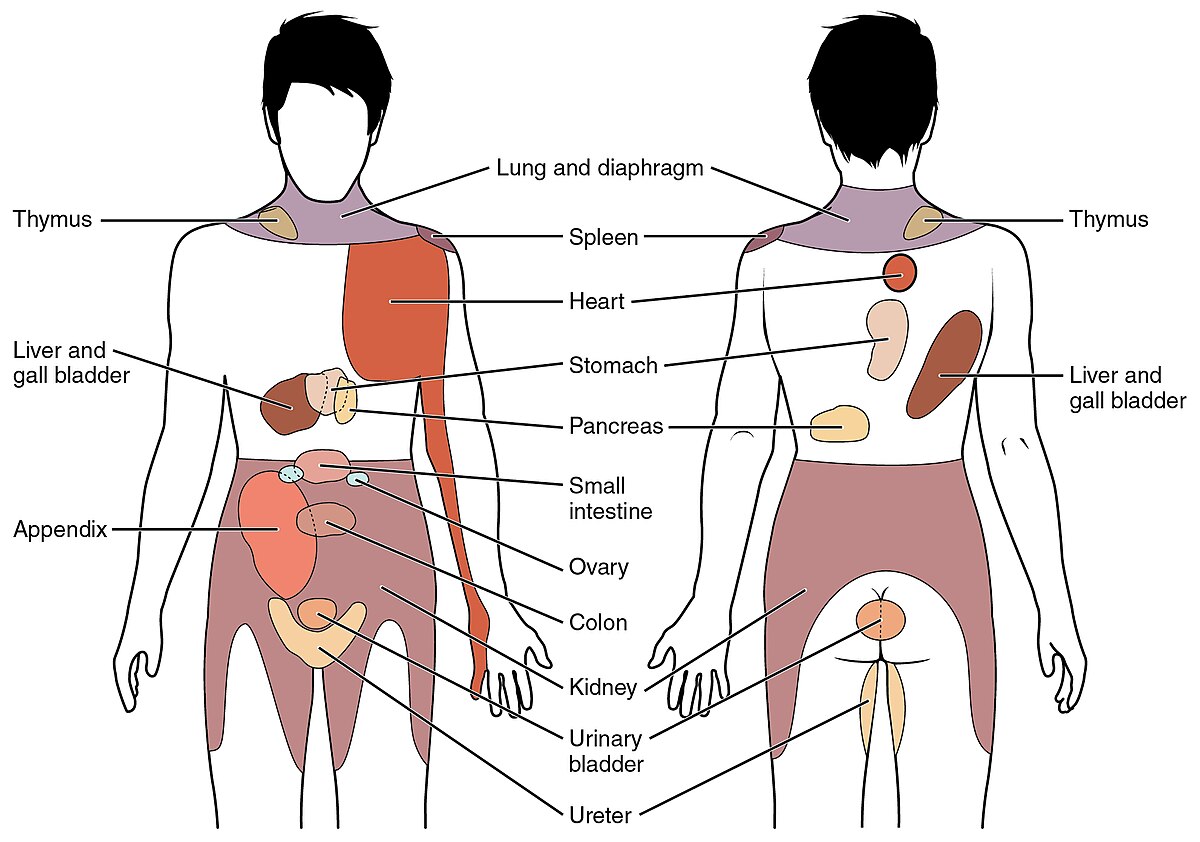
Key referred pain sites
- Peptic ulcers → epigastric, radiates to back
- Pancreatitis → mid-back, left shoulder
- Gallbladder → right shoulder, RUQ, worsens after fatty meals
- Appendicitis → periumbilical → RLQ (McBurney’s point)
- Liver → RUQ, right shoulder, jaundice
- Esophagus → mid chest/back; Stomach → epigastric/LUQ/mid-back
- Small intestine → periumbilical; Large intestine → lower abdomen/sacral
- Rectum → sacral/perineum
Male reproductive system anatomy
- Structures: testes, epididymis, vas deferens, seminal vesicles, prostate, urethra, penis
- Function: sperm and testosterone production
- Hormonal axis: Hypothalamus (GnRH) → Pituitary (LH, FSH)
- LH → testosterone production
- FSH → spermatogenesis
Male reproductive disorders
- BPH: non-cancerous prostate enlargement; urinary frequency/nocturia/weak stream
- Prostatitis: prostate inflammation; painful urination, pelvic pain
- Prostate cancer: often asymptomatic early; later urinary/bone symptoms
- Erectile dysfunction: vascular, diabetic, or psychological causes
- Testicular cancer: common ages 15-35; painless lump/swelling
Female reproductive system anatomy
- Structures: ovaries, fallopian tubes, uterus, cervix, vagina
- Function: egg production, hormone production, pregnancy support
- Hormonal axis: GnRH → LH & FSH
- LH → ovulation, estrogen/progesterone production
- FSH → follicle growth and egg maturation
Female reproductive disorders
- PCOS: irregular ovulation, excess androgens, insulin resistance, hirsutism
- Endometriosis: ectopic endometrial tissue; pelvic pain, dysmenorrhea, infertility
- Uterine fibroids: benign tumors; heavy bleeding, pelvic pain
- PID: reproductive organ infection; pelvic pain, fever, discharge
- Ovarian cancer: vague early symptoms, often detected late
- Breast cancer: most common in women; lump, nipple changes, skin dimpling
Pregnancy - musculoskeletal changes
- Increased lumbar lordosis, anterior pelvic tilt → low back pain
- Relaxin-induced ligamentous laxity → joint instability
- Pelvic widening → SI joint/pubic symphysis dysfunction
- Diastasis recti
Pregnancy - cardiovascular/respiratory changes
- Increased blood volume (40-50%) and heart rate
- Decreased BP in 1st/2nd trimester; supine hypotensive syndrome risk (IVC compression)
- Increased oxygen consumption; decreased lung expansion → shortness of breath
Pregnancy - metabolic and other changes
- Increased caloric needs; gestational diabetes risk
- Increased urinary frequency; normal weight gain 25-35 lbs
- Hormonal shifts affect mood/joints/metabolism
- Risk of De Quervain’s and carpal tunnel syndrome
Safe exercise guidelines for pregnancy
- Mode: walking, swimming, cycling, low-impact aerobics
- Intensity: moderate (talk test); duration: 150 min/week
- Avoid: supine exercise after 20 weeks, overheating, Valsalva, high-impact/contact sports
Contraindications to exercise during pregnancy
- Absolute: incompetent cervix, placenta previa (>26 wks), preeclampsia, multiple gestation w/ preterm risk, ruptured membranes, persistent bleeding, preterm labor
- Relative: severe anemia, unevaluated cardiac disease, chronic bronchitis, poorly controlled diabetes/hypertension
Postpartum considerations
- Pelvic floor dysfunction: Kegels, biofeedback, bladder retraining
- Postural syndromes from breastfeeding/carrying: upper back strengthening, postural correction
- Return to exercise: physician clearance (~6 wks vaginal, 8+ wks C-section); progressive impact return