


This browser is too old to run Achievable.

Update it, or open this page in a current version of Chrome, Safari, Firefox or Edge. On an iPhone or iPad, update iOS: every browser there runs on the version of Safari that comes with it.

Achievable logoAchievable logo
NPTE-PTA
Sign in
Sign up
Purchase
Textbook
Practice exams
Support
How it works
Resources
Exam catalog
Mountain with a flag at the peak
Textbook
Introduction
1. Cardiovascular system
2. Pulmonary system
3. Neuromuscular system
4. Pediatrics
5. Musculoskeletal system
6. Other systems
6.1 Integumentary system
6.2 Lymphedema
6.3 Gastrointestinal and reproductive systems
6.4 Urinary incontinence and renal disorders
6.5 Endocrine and metabolic systems
6.6 Cancer and psychological conditions
6.7 Infectious disease, immune disorders, and hematological disorders
7. Non-systems
Wrapping up
Achievable logoAchievable logo
6.5 Endocrine and metabolic systems
Achievable NPTE-PTA
6. Other systems
Our NPTE-PTA course is now in "early access" - get 50% off for a limited time.

Endocrine and metabolic systems

11 min read
Font
Discuss
Share
Feedback

Endocrine system

The endocrine system regulates metabolism, growth, and homeostasis through hormone secretion.

PTA scope of practice: The PTA collects data and recognizes and communicates changes in a patient’s status to the supervising PT; evaluating the patient, interpreting findings, and changing the plan of care remain the PT’s responsibility. In this chapter, that means monitoring vital signs, blood glucose, and each condition’s warning signs and reporting a change to the supervising PT; insulin, carbohydrate, and medication changes are managed by the patient and physician, not decided by the PTA. Supervision and delegation rules are covered in PTA responsibilities, research, and ADA.

Thyroid disorders

The thyroid gland produces thyroxine (T4) and triiodothyronine (T3), regulating metabolism, heart rate, and temperature.

Hypothyroidism and hyperthyroidism present with opposite patterns:

Hypothyroidism Hyperthyroidism
Weight Weight gain Weight loss
Temperature tolerance Cold intolerance Heat intolerance
Heart rate Bradycardia Tachycardia
Deep tendon reflexes Slow (hyporeflexia) Hyperreflexia
TSH High Low

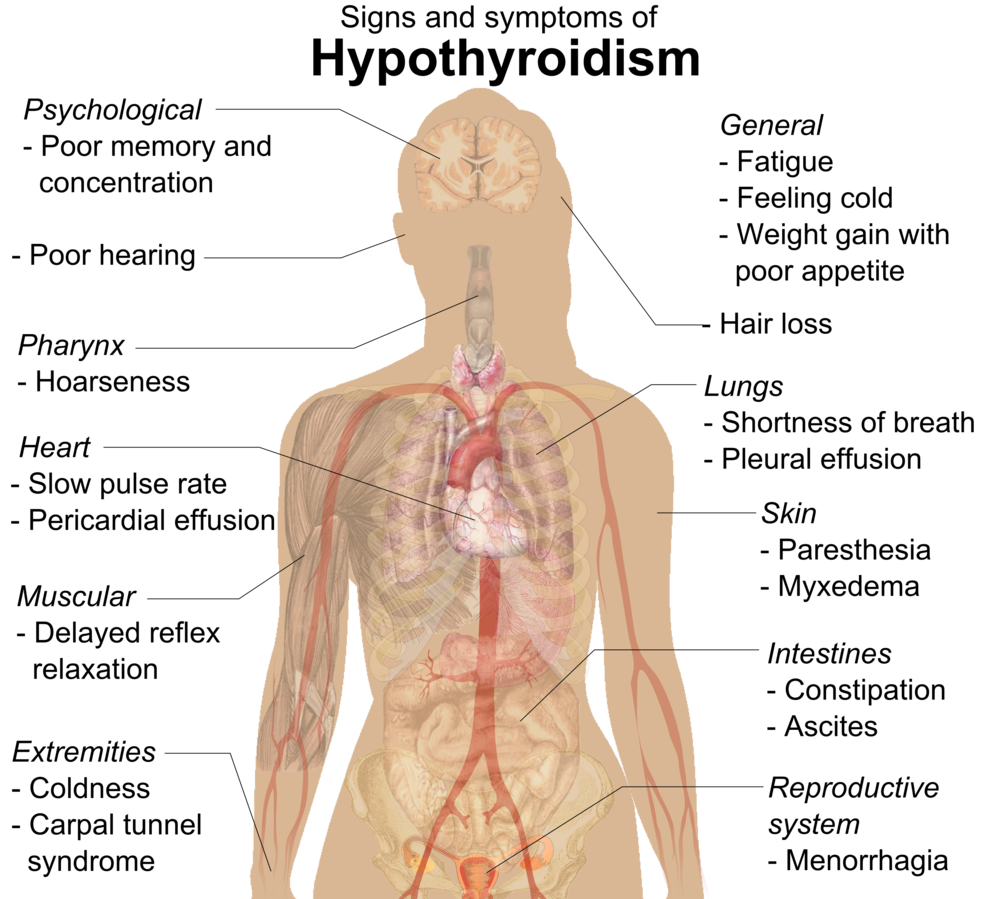
Hypothyroidism (underactive thyroid)

  • Cause: Autoimmune disease (Hashimoto’s thyroiditis), iodine deficiency, post-thyroidectomy.
  • Additional symptoms: Fatigue, constipation, depression, myopathy.
  • PT implications:
    • Monitor for exercise intolerance, muscle weakness, and risk of rhabdomyolysis.
    • Low-intensity exercise with gradual progression.
    • Watch for joint stiffness and slowed healing.
Hypothyroidism
Hypothyroidism
Häggström, Mikael (2014). "Medical gallery of Mikael Häggström 2014". WikiJournal of Medicine 1 (2). DOI:10.15347/wjm/2014.008. ISSN 2002-4436
/
Wikimedia Commons
/
CC0 1.0

Hyperthyroidism (overactive thyroid)

  • Cause: Autoimmune disease (Graves’ disease), excess iodine, thyroid tumors.
    • In Graves’ disease, an antibody called thyroid-stimulating immunoglobulin attaches to thyroid cells and acts like TSH, making the thyroid produce too much thyroid hormone.
  • Additional symptoms: Muscle wasting, tremors, exophthalmos (bulging eyes).
  • PT implications:
    • Monitor HR and BP due to risk of tachycardia, arrhythmias, and hypertension.
    • Heat intolerance → adjust the exercise environment.
    • Avoid high-intensity exercise due to risk of fatigue and catabolic muscle loss.

Thyroid storm (medical emergency)

  • Acute hyperthyroidism crisis with severe tachycardia, fever, and confusion → requires emergency care.

Adrenal gland disorders

The adrenal glands (on top of the kidneys) produce cortisol, aldosterone, and catecholamines (epinephrine, norepinephrine). Cortisol, sometimes called the stress hormone, helps the body respond to stress and helps regulate blood glucose.

Addison’s disease and Cushing’s syndrome also present with opposite patterns:

Addison’s disease Cushing’s syndrome
Blood pressure Hypotension Hypertension
Glucose Risk of hypoglycemia Risk of hyperglycemia
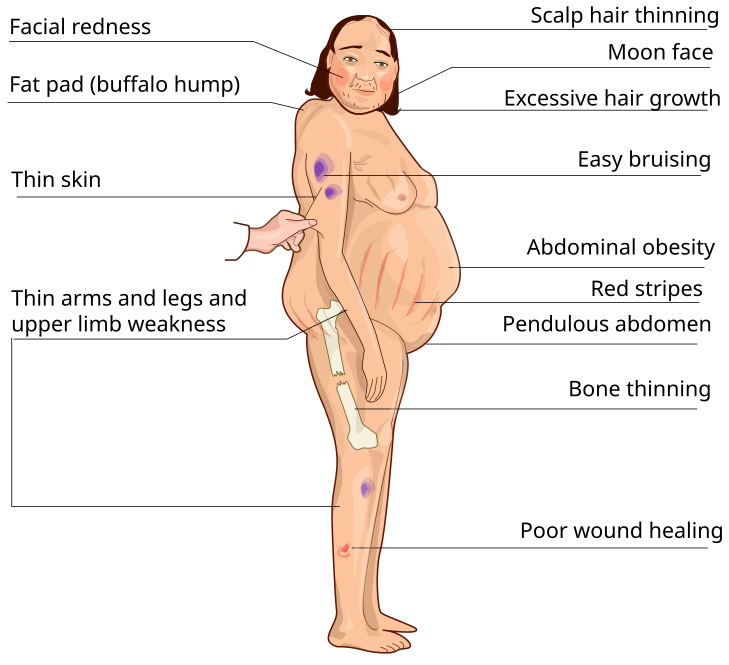
Weight Weight loss Central obesity, moon face, buffalo hump
Skin Hyperpigmentation Poor wound healing

Addison’s disease (adrenal insufficiency)

  • Cause: Autoimmune destruction of adrenal glands → Decreased cortisol and aldosterone.
  • Additional symptoms: Fatigue, salt craving, weakness.
  • PT implications:
    • Monitor for hypoglycemia, hypotension, and fatigue.
    • Avoid overexertion due to limited stress response.
    • Risk of adrenal crisis (severe hypotension, dehydration, shock) → medical emergency.

Cushing’s syndrome (hyperfunction of adrenal glands)

  • Cause: Excess cortisol from long-term glucocorticoid (steroid) use, or from a tumor: most often a pituitary tumor that makes too much ACTH (Cushing’s disease), less often an adrenal tumor.
  • Additional symptoms: Muscle atrophy, osteoporosis.
  • PT implications:
    • Fall risk due to osteoporosis and muscle weakness.
    • Monitor BP and glucose levels (risk of hypertension and diabetes).
    • Avoid high-impact exercises to prevent fractures.
Cushing syndrome
Cushing syndrome
Hariadhi
/
Wikimedia Commons
/
CC BY-SA 4.0

Diabetes mellitus (DM)

Type 1 diabetes (insulin-dependent)

  • Cause: Autoimmune destruction of pancreatic beta cells → No insulin production.
  • Symptoms: Polyuria, polydipsia, polyphagia, weight loss, ketoacidosis (DKA risk).
  • PT implications:
    • Monitor for hypoglycemia.
    • Exercise increases insulin sensitivity, so the patient (per physician guidance) may need to adjust insulin dose or carbohydrate intake; the PTA monitors glucose and reports trends to the supervising PT.
    • Avoid exercise during peak insulin activity to prevent hypoglycemia.

Type 2 diabetes (insulin-resistant)

  • Cause: Insulin resistance due to obesity, genetics, and a sedentary lifestyle.
  • Symptoms: Polyuria, polydipsia, slow wound healing, neuropathy, blurred vision, fatigue.
  • PT implications:
    • Encourage aerobic and resistance exercise to improve insulin sensitivity.
    • Monitor for neuropathy and fall risk.
    • Check for foot ulcers and skin integrity.

Key lab values: HbA1c is normal below 5.7%, prediabetic at 5.7-6.4%, and diabetic at 6.5% or higher; fasting plasma glucose is normal at 70-99 mg/dL and diabetic at 126 mg/dL or higher.

Associated diabetic conditions

  • Hypoglycemia
    • Cause: Low blood sugar (<70 mg/dL)
    • Insulin, a hormone made by the pancreas that helps glucose get into cells, can cause low blood glucose as a side effect; low blood glucose is treated by eating or drinking 15 to 20 grams of glucose or carbohydrate (the 15 g below is the lower end).
    • Symptoms: Sweating, confusion, dizziness, tachycardia
    • PT considerations: stop exercise immediately, give 15 g of fast-acting carbohydrate (juice or glucose tablets), and recheck glucose in 15 minutes; repeat until it’s 70 mg/dL or higher, then apply the pre-exercise thresholds below before resuming. If the patient is unresponsive or can’t swallow, activate emergency services and give nothing by mouth. Report the episode to the supervising PT.
    • Exercise-induced hypoglycemia can also appear hours after a session, so check the patient’s status before they leave.
  • Diabetic ketoacidosis (DKA)
    • Cause: No insulin production causes fat breakdown and release of ketones in the bloodstream
    • Symptoms: Fruity breath, deep breathing (Kussmaul), nausea, confusion
    • PT considerations: medical emergency - stop exercise and notify the supervising PT immediately.
  • Peripheral neuropathy
    • Cause: Nerve damage from prolonged hyperglycemia
    • Symptoms: Numbness, tingling, burning pain in feet/hands
    • PT considerations: foot care education, balance training, fall prevention; a patient should not walk barefoot or in just socks, even indoors, because reduced feeling in the feet means an injury may go unnoticed
  • Diabetic retinopathy
    • Cause: Retinal blood vessel damage due to hyperglycemia
    • Symptoms: Vision loss, blurred vision
    • PT considerations: avoid head-down exercises, and high-impact exercises that can raise blood pressure increasing pressure on the damaged retinal vessels.
  • Nephropathy
    • Cause: Kidney damage from diabetes due to hyperglycemia
    • Symptoms: Protein in urine, swelling, hypertension
    • PT considerations: monitor hydration levels and blood pressure
  • Peripheral artery disease (PAD)
    • Cause: Poor circulation in legs due to vascular damage from hyperglycemia
    • Symptoms: Claudication (leg pain with walking), cold feet
    • PT considerations: use graded walking program

Hypoglycemia vs. hyperglycemia/DKA

Hypoglycemia Hyperglycemia/DKA
Onset Rapid (minutes) Gradual (hours to days)
Skin Cool, clammy Warm, dry
Breathing Normal or rapid Deep, labored (Kussmaul)
Breath odor None Fruity
Immediate PTA action Stop exercise, give fast-acting carbohydrate, recheck in 15 minutes Stop exercise, give no carbohydrate, notify the supervising PT

If you can’t tell which it is and no glucose reading is available, treat it as hypoglycemia and give fast-acting carbohydrate.

Safe blood sugar levels for physical therapy

Before exercise

  • If blood sugar is less than 90 mg/dL: Have a small carbohydrate snack (15-30g) and have patient recheck glucose levels.
  • If blood sugar is 90-124 mg/dL: Have a small carbohydrate snack (about 10g) before exercising.
  • If blood sugar is 125-250 mg/dL: Safe to exercise.
  • If blood sugar is over 250 mg/dL: The patient should check their urine for ketones.
    • If ketones are present: Do not exercise, as this can lead to diabetic ketoacidosis.
    • If no ketones are present: Exercise cautiously, monitor closely, and stay hydrated.

During and after exercise

  • Monitor frequently: Check the patient’s blood sugar every 30 minutes during activity, especially during high-intensity activity or for a patient with type 1 diabetes on insulin.
  • Stay hydrated: Drink plenty of fluids before, during, and after exercise.

Endocrine medications and exercise

Contracting muscle takes up glucose without needing insulin, and after a session the muscles stay more sensitive to insulin for a day or longer (up to about 48 hours after prolonged exercise). That is why exercise improves glucose control, and also why it can push glucose too low in a patient whose medication keeps lowering it.

  • Insulin and sulfonylureas (insulin secretagogues): the drugs most likely to cause exercise-induced hypoglycemia, during the session or afterward; delayed (often overnight) lows typically come 6-15 hours later and can occur up to 48 hours after. Metformin generally needs no adjustment for exercise. The patient and physician may lower the dose or add carbohydrate on exercise days; the PTA checks glucose and reports episodes to the supervising PT.
  • Peak insulin action: rapid-acting insulin peaks within about 90 minutes of injection, when hypoglycemia risk is greatest, so avoid scheduling exercise at that peak.
  • Injection site: muscle contraction, massage, and heat all speed insulin absorption and raise hypoglycemia risk. Avoid vigorous exercise of a limb at a recent injection site, and don’t apply hot packs, diathermy, or thermal ultrasound over an injection or insulin-pump infusion site.
  • Beta-blockers: can blunt the tachycardia that normally signals hypoglycemia, so watch for sweating and confusion instead, and check glucose before and after exercise.
  • Corticosteroids: raise blood glucose, most in the afternoon and evening after a morning dose, and cause bone loss; glucocorticoid-induced osteoporosis is the most common secondary osteoporosis, and vertebral fractures are its hallmark. Monitor glucose in a patient with diabetes and follow the fall and fracture precautions for osteoporosis.
  • Thyroid replacement (levothyroxine): a dose that is too high acts like hyperthyroidism, raising heart rate and the risk of atrial fibrillation and bone loss. Check resting heart rate and rhythm, and report new tachycardia, palpitations, or an irregular pulse.

These effects follow the patient into every setting: a patient on insulin in cardiac rehab or after a joint replacement needs the same glucose checks as one referred for diabetes, and a hot pack for back pain shouldn’t sit over an abdominal injection site.

Metabolic disorders

The metabolic system includes chemical processes that maintain life, including energy production and nutrient utilization.

Osteoporosis

  • Cause: Decreased bone density (aging, menopause, steroid use, hyperthyroidism).
  • Symptoms: Fractures, kyphosis, back pain.
  • PT implications:
    • Weight-bearing exercise to improve bone density.
    • Avoid spinal flexion exercises to prevent vertebral fractures.
    • Balance training to prevent falls.
  • DEXA (Dual-Energy X-ray Absorptiometry) scans are used to measure bone mineral density and are the most accurate way to assess bone health.
    • Determined by T-score:
      • Normal: T-score of -1.0 or higher
      • Osteopenia: T-score below -1.0 but above -2.5
      • Osteoporosis: T-score of -2.5 or lower

Paget’s disease

  • Cause: Excessive bone turnover → Weak, deformed bones.
  • Symptoms: Bone pain, deformities, fractures, and hearing loss.
  • PT implications:
    • Low-impact exercise to maintain mobility.
    • Monitor for fractures and joint dysfunction.

Gout (metabolic arthritis)

  • Cause: Uric acid crystal buildup in joints (linked to diet, kidney dysfunction).
  • Symptoms: Severe joint pain (big toe common), redness, swelling.
  • PT implications:
    • Avoid excessive weight-bearing during flares.
    • Encourage hydration and dietary modifications.

Metabolic syndrome

Metabolic syndrome is a cluster of conditions that increase the risk of cardiovascular disease, type 2 diabetes, and stroke. It is diagnosed when a person has three or more of the following risk factors:

Criteria for metabolic syndrome

  1. Abdominal obesity
    • Waist circumference:
      • Men: >40 inches (102 cm)
      • Women: >35 inches (88 cm)
  2. Elevated blood pressure
    • ≥130/85 mmHg or taking antihypertensive medication
  3. Elevated fasting blood glucose
    • ≥100 mg/dL or diagnosed diabetes
  4. High triglycerides
    • ≥150 mg/dL or taking medication for high triglycerides
  5. Low HDL (good cholesterol)
    • Men: <40 mg/dL
    • Women: <50 mg/dL

PT considerations

  • Exercise recommendations:
    • Focus on aerobic exercise (brisk walking, cycling, swimming)
    • Include resistance training to improve insulin sensitivity
    • Gradual progression to prevent fatigue and improve adherence
  • Weight management: encourage lifestyle changes like a healthy diet and activity.
  • Blood pressure monitoring: check BP before and after exercise; avoid high-intensity exercise if BP or diabetes is uncontrolled.

PTA scope in endocrine conditions

  • PTA monitors vitals, blood glucose, and warning signs; reports changes to supervising PT
  • PT retains evaluation/plan of care authority; insulin/diet/medication changes are physician/patient decisions

Thyroid disorders

  • Hypothyroidism: weight gain, cold intolerance, bradycardia, hyporeflexia, high TSH; low-intensity exercise, watch for rhabdomyolysis/stiffness
  • Hyperthyroidism: weight loss, heat intolerance, tachycardia, hyperreflexia, low TSH; monitor HR/BP, adjust environment, avoid high-intensity exercise
  • Thyroid storm = medical emergency (severe tachycardia, fever, confusion)

Adrenal gland disorders

  • Addison’s disease: low cortisol/aldosterone → hypotension, hypoglycemia risk, weight loss, hyperpigmentation; avoid overexertion; watch for adrenal crisis (emergency)
  • Cushing’s syndrome: excess cortisol → hypertension, hyperglycemia risk, central obesity/moon face, poor wound healing; fall/fracture risk, avoid high-impact exercise

Diabetes mellitus

  • Type 1: autoimmune, no insulin, DKA risk; monitor hypoglycemia, avoid exercise at peak insulin activity
  • Type 2: insulin resistance; encourage aerobic/resistance exercise, monitor neuropathy and skin/foot integrity
  • Key labs: HbA1c diabetic ≥6.5%; fasting glucose diabetic ≥126 mg/dL

Diabetic complications

  • Hypoglycemia (<70 mg/dL): stop exercise, give 15g fast-acting carb, recheck in 15 min; if unresponsive, call EMS, nothing by mouth
  • DKA: medical emergency—fruity breath, Kussmaul breathing, confusion; stop exercise, notify PT immediately
  • Neuropathy: foot care, balance/fall prevention
  • Retinopathy: avoid head-down/high-impact exercise
  • Nephropathy: monitor hydration/BP
  • PAD: graded walking program
  • Hypo vs. hyperglycemia: hypo = rapid onset, cool/clammy skin, no breath odor; hyper/DKA = gradual onset, warm/dry skin, fruity breath, Kussmaul breathing
  • If unsure and no glucose reading available: treat as hypoglycemia

Safe blood sugar exercise thresholds

  • <90 mg/dL: carb snack (15-30g), recheck
  • 90-124 mg/dL: small snack (~10g) before exercise
  • 125-250 mg/dL: safe to exercise
  • 250 mg/dL: check urine ketones; if present, do not exercise; if absent, exercise cautiously

  • Monitor glucose every 30 min during activity, especially for type 1/insulin-dependent patients; maintain hydration

Endocrine medications and exercise

  • Exercising muscle takes up glucose without insulin; insulin sensitivity stays up ~24-48 hrs
  • Insulin and sulfonylureas cause exercise hypoglycemia during or after the session (delayed lows typically 6-15 hrs later, up to 48 hrs); metformin generally needs no adjustment
  • Rapid-acting insulin peaks within ~90 min—avoid exercising at peak
  • Exercise of the injected limb, massage, and heat speed absorption—no vigorous exercise of that limb, no heat modalities over an injection/pump site
  • Beta-blockers mask tachycardia sign of hypoglycemia—watch for sweating/confusion instead; check glucose before/after exercise
  • Corticosteroids raise glucose (afternoon/evening) and cause bone loss (vertebral fractures)
  • Excess levothyroxine mimics hyperthyroidism: tachycardia, atrial fibrillation, bone loss—report new palpitations/irregular pulse
  • Applies in any setting (cardiac rehab, orthopedics): same glucose checks for a patient on insulin

Metabolic disorders

  • Osteoporosis: weight-bearing exercise, avoid spinal flexion, balance training; DEXA T-score: normal ≥-1.0, osteopenia below -1.0 but above -2.5, osteoporosis ≤-2.5
  • Paget’s disease: low-impact exercise, monitor for fractures/joint dysfunction
  • Gout: avoid excessive weight-bearing during flares, encourage hydration/diet changes

Metabolic syndrome

  • Diagnosed with ≥3 of: abdominal obesity (men >40in, women >35in), BP ≥130/85, fasting glucose ≥100 mg/dL, triglycerides ≥150 mg/dL, low HDL (men <40, women <50)
  • PT focus: aerobic + resistance training, gradual progression, BP monitoring, avoid high-intensity exercise if BP/glucose uncontrolled

Sign up for free to take 23 quiz questions on this topic

Previous
Next  | 6.6 Cancer and psychological conditions
All rights reserved ©2016 - 2026 Achievable, Inc.

Endocrine and metabolic systems

Endocrine system

The endocrine system regulates metabolism, growth, and homeostasis through hormone secretion.

PTA scope of practice: The PTA collects data and recognizes and communicates changes in a patient’s status to the supervising PT; evaluating the patient, interpreting findings, and changing the plan of care remain the PT’s responsibility. In this chapter, that means monitoring vital signs, blood glucose, and each condition’s warning signs and reporting a change to the supervising PT; insulin, carbohydrate, and medication changes are managed by the patient and physician, not decided by the PTA. Supervision and delegation rules are covered in PTA responsibilities, research, and ADA.

Thyroid disorders

The thyroid gland produces thyroxine (T4) and triiodothyronine (T3), regulating metabolism, heart rate, and temperature.

Hypothyroidism and hyperthyroidism present with opposite patterns:

Hypothyroidism Hyperthyroidism
Weight Weight gain Weight loss
Temperature tolerance Cold intolerance Heat intolerance
Heart rate Bradycardia Tachycardia
Deep tendon reflexes Slow (hyporeflexia) Hyperreflexia
TSH High Low

Hypothyroidism (underactive thyroid)

  • Cause: Autoimmune disease (Hashimoto’s thyroiditis), iodine deficiency, post-thyroidectomy.
  • Additional symptoms: Fatigue, constipation, depression, myopathy.
  • PT implications:
    • Monitor for exercise intolerance, muscle weakness, and risk of rhabdomyolysis.
    • Low-intensity exercise with gradual progression.
    • Watch for joint stiffness and slowed healing.

Hyperthyroidism (overactive thyroid)

  • Cause: Autoimmune disease (Graves’ disease), excess iodine, thyroid tumors.
    • In Graves’ disease, an antibody called thyroid-stimulating immunoglobulin attaches to thyroid cells and acts like TSH, making the thyroid produce too much thyroid hormone.
  • Additional symptoms: Muscle wasting, tremors, exophthalmos (bulging eyes).
  • PT implications:
    • Monitor HR and BP due to risk of tachycardia, arrhythmias, and hypertension.
    • Heat intolerance → adjust the exercise environment.
    • Avoid high-intensity exercise due to risk of fatigue and catabolic muscle loss.

Thyroid storm (medical emergency)

  • Acute hyperthyroidism crisis with severe tachycardia, fever, and confusion → requires emergency care.

Adrenal gland disorders

The adrenal glands (on top of the kidneys) produce cortisol, aldosterone, and catecholamines (epinephrine, norepinephrine). Cortisol, sometimes called the stress hormone, helps the body respond to stress and helps regulate blood glucose.

Addison’s disease and Cushing’s syndrome also present with opposite patterns:

Addison’s disease Cushing’s syndrome
Blood pressure Hypotension Hypertension
Glucose Risk of hypoglycemia Risk of hyperglycemia
Weight Weight loss Central obesity, moon face, buffalo hump
Skin Hyperpigmentation Poor wound healing

Addison’s disease (adrenal insufficiency)

  • Cause: Autoimmune destruction of adrenal glands → Decreased cortisol and aldosterone.
  • Additional symptoms: Fatigue, salt craving, weakness.
  • PT implications:
    • Monitor for hypoglycemia, hypotension, and fatigue.
    • Avoid overexertion due to limited stress response.
    • Risk of adrenal crisis (severe hypotension, dehydration, shock) → medical emergency.

Cushing’s syndrome (hyperfunction of adrenal glands)

  • Cause: Excess cortisol from long-term glucocorticoid (steroid) use, or from a tumor: most often a pituitary tumor that makes too much ACTH (Cushing’s disease), less often an adrenal tumor.
  • Additional symptoms: Muscle atrophy, osteoporosis.
  • PT implications:
    • Fall risk due to osteoporosis and muscle weakness.
    • Monitor BP and glucose levels (risk of hypertension and diabetes).
    • Avoid high-impact exercises to prevent fractures.

Diabetes mellitus (DM)

Type 1 diabetes (insulin-dependent)

  • Cause: Autoimmune destruction of pancreatic beta cells → No insulin production.
  • Symptoms: Polyuria, polydipsia, polyphagia, weight loss, ketoacidosis (DKA risk).
  • PT implications:
    • Monitor for hypoglycemia.
    • Exercise increases insulin sensitivity, so the patient (per physician guidance) may need to adjust insulin dose or carbohydrate intake; the PTA monitors glucose and reports trends to the supervising PT.
    • Avoid exercise during peak insulin activity to prevent hypoglycemia.

Type 2 diabetes (insulin-resistant)

  • Cause: Insulin resistance due to obesity, genetics, and a sedentary lifestyle.
  • Symptoms: Polyuria, polydipsia, slow wound healing, neuropathy, blurred vision, fatigue.
  • PT implications:
    • Encourage aerobic and resistance exercise to improve insulin sensitivity.
    • Monitor for neuropathy and fall risk.
    • Check for foot ulcers and skin integrity.

Key lab values: HbA1c is normal below 5.7%, prediabetic at 5.7-6.4%, and diabetic at 6.5% or higher; fasting plasma glucose is normal at 70-99 mg/dL and diabetic at 126 mg/dL or higher.

Associated diabetic conditions

  • Hypoglycemia
    • Cause: Low blood sugar (<70 mg/dL)
    • Insulin, a hormone made by the pancreas that helps glucose get into cells, can cause low blood glucose as a side effect; low blood glucose is treated by eating or drinking 15 to 20 grams of glucose or carbohydrate (the 15 g below is the lower end).
    • Symptoms: Sweating, confusion, dizziness, tachycardia
    • PT considerations: stop exercise immediately, give 15 g of fast-acting carbohydrate (juice or glucose tablets), and recheck glucose in 15 minutes; repeat until it’s 70 mg/dL or higher, then apply the pre-exercise thresholds below before resuming. If the patient is unresponsive or can’t swallow, activate emergency services and give nothing by mouth. Report the episode to the supervising PT.
    • Exercise-induced hypoglycemia can also appear hours after a session, so check the patient’s status before they leave.
  • Diabetic ketoacidosis (DKA)
    • Cause: No insulin production causes fat breakdown and release of ketones in the bloodstream
    • Symptoms: Fruity breath, deep breathing (Kussmaul), nausea, confusion
    • PT considerations: medical emergency - stop exercise and notify the supervising PT immediately.
  • Peripheral neuropathy
    • Cause: Nerve damage from prolonged hyperglycemia
    • Symptoms: Numbness, tingling, burning pain in feet/hands
    • PT considerations: foot care education, balance training, fall prevention; a patient should not walk barefoot or in just socks, even indoors, because reduced feeling in the feet means an injury may go unnoticed
  • Diabetic retinopathy
    • Cause: Retinal blood vessel damage due to hyperglycemia
    • Symptoms: Vision loss, blurred vision
    • PT considerations: avoid head-down exercises, and high-impact exercises that can raise blood pressure increasing pressure on the damaged retinal vessels.
  • Nephropathy
    • Cause: Kidney damage from diabetes due to hyperglycemia
    • Symptoms: Protein in urine, swelling, hypertension
    • PT considerations: monitor hydration levels and blood pressure
  • Peripheral artery disease (PAD)
    • Cause: Poor circulation in legs due to vascular damage from hyperglycemia
    • Symptoms: Claudication (leg pain with walking), cold feet
    • PT considerations: use graded walking program

Hypoglycemia vs. hyperglycemia/DKA

Hypoglycemia Hyperglycemia/DKA
Onset Rapid (minutes) Gradual (hours to days)
Skin Cool, clammy Warm, dry
Breathing Normal or rapid Deep, labored (Kussmaul)
Breath odor None Fruity
Immediate PTA action Stop exercise, give fast-acting carbohydrate, recheck in 15 minutes Stop exercise, give no carbohydrate, notify the supervising PT

If you can’t tell which it is and no glucose reading is available, treat it as hypoglycemia and give fast-acting carbohydrate.

Safe blood sugar levels for physical therapy

Before exercise

  • If blood sugar is less than 90 mg/dL: Have a small carbohydrate snack (15-30g) and have patient recheck glucose levels.
  • If blood sugar is 90-124 mg/dL: Have a small carbohydrate snack (about 10g) before exercising.
  • If blood sugar is 125-250 mg/dL: Safe to exercise.
  • If blood sugar is over 250 mg/dL: The patient should check their urine for ketones.
    • If ketones are present: Do not exercise, as this can lead to diabetic ketoacidosis.
    • If no ketones are present: Exercise cautiously, monitor closely, and stay hydrated.

During and after exercise

  • Monitor frequently: Check the patient’s blood sugar every 30 minutes during activity, especially during high-intensity activity or for a patient with type 1 diabetes on insulin.
  • Stay hydrated: Drink plenty of fluids before, during, and after exercise.

Endocrine medications and exercise

Contracting muscle takes up glucose without needing insulin, and after a session the muscles stay more sensitive to insulin for a day or longer (up to about 48 hours after prolonged exercise). That is why exercise improves glucose control, and also why it can push glucose too low in a patient whose medication keeps lowering it.

  • Insulin and sulfonylureas (insulin secretagogues): the drugs most likely to cause exercise-induced hypoglycemia, during the session or afterward; delayed (often overnight) lows typically come 6-15 hours later and can occur up to 48 hours after. Metformin generally needs no adjustment for exercise. The patient and physician may lower the dose or add carbohydrate on exercise days; the PTA checks glucose and reports episodes to the supervising PT.
  • Peak insulin action: rapid-acting insulin peaks within about 90 minutes of injection, when hypoglycemia risk is greatest, so avoid scheduling exercise at that peak.
  • Injection site: muscle contraction, massage, and heat all speed insulin absorption and raise hypoglycemia risk. Avoid vigorous exercise of a limb at a recent injection site, and don’t apply hot packs, diathermy, or thermal ultrasound over an injection or insulin-pump infusion site.
  • Beta-blockers: can blunt the tachycardia that normally signals hypoglycemia, so watch for sweating and confusion instead, and check glucose before and after exercise.
  • Corticosteroids: raise blood glucose, most in the afternoon and evening after a morning dose, and cause bone loss; glucocorticoid-induced osteoporosis is the most common secondary osteoporosis, and vertebral fractures are its hallmark. Monitor glucose in a patient with diabetes and follow the fall and fracture precautions for osteoporosis.
  • Thyroid replacement (levothyroxine): a dose that is too high acts like hyperthyroidism, raising heart rate and the risk of atrial fibrillation and bone loss. Check resting heart rate and rhythm, and report new tachycardia, palpitations, or an irregular pulse.

These effects follow the patient into every setting: a patient on insulin in cardiac rehab or after a joint replacement needs the same glucose checks as one referred for diabetes, and a hot pack for back pain shouldn’t sit over an abdominal injection site.

Metabolic disorders

The metabolic system includes chemical processes that maintain life, including energy production and nutrient utilization.

Osteoporosis

  • Cause: Decreased bone density (aging, menopause, steroid use, hyperthyroidism).
  • Symptoms: Fractures, kyphosis, back pain.
  • PT implications:
    • Weight-bearing exercise to improve bone density.
    • Avoid spinal flexion exercises to prevent vertebral fractures.
    • Balance training to prevent falls.
  • DEXA (Dual-Energy X-ray Absorptiometry) scans are used to measure bone mineral density and are the most accurate way to assess bone health.
    • Determined by T-score:
      • Normal: T-score of -1.0 or higher
      • Osteopenia: T-score below -1.0 but above -2.5
      • Osteoporosis: T-score of -2.5 or lower

Paget’s disease

  • Cause: Excessive bone turnover → Weak, deformed bones.
  • Symptoms: Bone pain, deformities, fractures, and hearing loss.
  • PT implications:
    • Low-impact exercise to maintain mobility.
    • Monitor for fractures and joint dysfunction.

Gout (metabolic arthritis)

  • Cause: Uric acid crystal buildup in joints (linked to diet, kidney dysfunction).
  • Symptoms: Severe joint pain (big toe common), redness, swelling.
  • PT implications:
    • Avoid excessive weight-bearing during flares.
    • Encourage hydration and dietary modifications.

Metabolic syndrome

Metabolic syndrome is a cluster of conditions that increase the risk of cardiovascular disease, type 2 diabetes, and stroke. It is diagnosed when a person has three or more of the following risk factors:

Criteria for metabolic syndrome

  1. Abdominal obesity
    • Waist circumference:
      • Men: >40 inches (102 cm)
      • Women: >35 inches (88 cm)
  2. Elevated blood pressure
    • ≥130/85 mmHg or taking antihypertensive medication
  3. Elevated fasting blood glucose
    • ≥100 mg/dL or diagnosed diabetes
  4. High triglycerides
    • ≥150 mg/dL or taking medication for high triglycerides
  5. Low HDL (good cholesterol)
    • Men: <40 mg/dL
    • Women: <50 mg/dL

PT considerations

  • Exercise recommendations:
    • Focus on aerobic exercise (brisk walking, cycling, swimming)
    • Include resistance training to improve insulin sensitivity
    • Gradual progression to prevent fatigue and improve adherence
  • Weight management: encourage lifestyle changes like a healthy diet and activity.
  • Blood pressure monitoring: check BP before and after exercise; avoid high-intensity exercise if BP or diabetes is uncontrolled.
Key points

PTA scope in endocrine conditions

  • PTA monitors vitals, blood glucose, and warning signs; reports changes to supervising PT
  • PT retains evaluation/plan of care authority; insulin/diet/medication changes are physician/patient decisions

Thyroid disorders

  • Hypothyroidism: weight gain, cold intolerance, bradycardia, hyporeflexia, high TSH; low-intensity exercise, watch for rhabdomyolysis/stiffness
  • Hyperthyroidism: weight loss, heat intolerance, tachycardia, hyperreflexia, low TSH; monitor HR/BP, adjust environment, avoid high-intensity exercise
  • Thyroid storm = medical emergency (severe tachycardia, fever, confusion)

Adrenal gland disorders

  • Addison’s disease: low cortisol/aldosterone → hypotension, hypoglycemia risk, weight loss, hyperpigmentation; avoid overexertion; watch for adrenal crisis (emergency)
  • Cushing’s syndrome: excess cortisol → hypertension, hyperglycemia risk, central obesity/moon face, poor wound healing; fall/fracture risk, avoid high-impact exercise

Diabetes mellitus

  • Type 1: autoimmune, no insulin, DKA risk; monitor hypoglycemia, avoid exercise at peak insulin activity
  • Type 2: insulin resistance; encourage aerobic/resistance exercise, monitor neuropathy and skin/foot integrity
  • Key labs: HbA1c diabetic ≥6.5%; fasting glucose diabetic ≥126 mg/dL

Diabetic complications

  • Hypoglycemia (<70 mg/dL): stop exercise, give 15g fast-acting carb, recheck in 15 min; if unresponsive, call EMS, nothing by mouth
  • DKA: medical emergency—fruity breath, Kussmaul breathing, confusion; stop exercise, notify PT immediately
  • Neuropathy: foot care, balance/fall prevention
  • Retinopathy: avoid head-down/high-impact exercise
  • Nephropathy: monitor hydration/BP
  • PAD: graded walking program
  • Hypo vs. hyperglycemia: hypo = rapid onset, cool/clammy skin, no breath odor; hyper/DKA = gradual onset, warm/dry skin, fruity breath, Kussmaul breathing
  • If unsure and no glucose reading available: treat as hypoglycemia

Safe blood sugar exercise thresholds

  • <90 mg/dL: carb snack (15-30g), recheck
  • 90-124 mg/dL: small snack (~10g) before exercise
  • 125-250 mg/dL: safe to exercise
  • 250 mg/dL: check urine ketones; if present, do not exercise; if absent, exercise cautiously

  • Monitor glucose every 30 min during activity, especially for type 1/insulin-dependent patients; maintain hydration

Endocrine medications and exercise

  • Exercising muscle takes up glucose without insulin; insulin sensitivity stays up ~24-48 hrs
  • Insulin and sulfonylureas cause exercise hypoglycemia during or after the session (delayed lows typically 6-15 hrs later, up to 48 hrs); metformin generally needs no adjustment
  • Rapid-acting insulin peaks within ~90 min—avoid exercising at peak
  • Exercise of the injected limb, massage, and heat speed absorption—no vigorous exercise of that limb, no heat modalities over an injection/pump site
  • Beta-blockers mask tachycardia sign of hypoglycemia—watch for sweating/confusion instead; check glucose before/after exercise
  • Corticosteroids raise glucose (afternoon/evening) and cause bone loss (vertebral fractures)
  • Excess levothyroxine mimics hyperthyroidism: tachycardia, atrial fibrillation, bone loss—report new palpitations/irregular pulse
  • Applies in any setting (cardiac rehab, orthopedics): same glucose checks for a patient on insulin

Metabolic disorders

  • Osteoporosis: weight-bearing exercise, avoid spinal flexion, balance training; DEXA T-score: normal ≥-1.0, osteopenia below -1.0 but above -2.5, osteoporosis ≤-2.5
  • Paget’s disease: low-impact exercise, monitor for fractures/joint dysfunction
  • Gout: avoid excessive weight-bearing during flares, encourage hydration/diet changes

Metabolic syndrome

  • Diagnosed with ≥3 of: abdominal obesity (men >40in, women >35in), BP ≥130/85, fasting glucose ≥100 mg/dL, triglycerides ≥150 mg/dL, low HDL (men <40, women <50)
  • PT focus: aerobic + resistance training, gradual progression, BP monitoring, avoid high-intensity exercise if BP/glucose uncontrolled

More from Other systems

  • Lymphedema
  • Gastrointestinal and reproductive systems
  • Urinary incontinence and renal disorders
  • Cancer and psychological conditions
  • Infectious disease, immune disorders, and hematological disorders