



Additional information
Prescription label
The prescription label is printed based on the drug information entered into the pharmacy management system. It typically includes the following parts:
- Pharmacy name, address, and contact number
- Prescription number
- Name of the prescriber
- Patient name
- Date filled
- Directions for use
- Medication name, quantity, and number of refills
- Auxiliary labels
- Date after which medication should not be taken
Packaging
The Poison Prevention Packaging Act of 1970 requires that most oral prescription drugs be dispensed in child-resistant packaging. A common example is a child-safety cap that isn’t easily opened by children. Violations of this act can result in penalties, including imprisonment.
Non-child-resistant packaging may be used if the patient requests it (a blanket request can cover all future prescriptions), or if the prescriber requests it for a specific prescription. Elderly patients and patients with arthritis-related hand deformities often make this request, but no special circumstance is required. Without a request on file, child-resistant packaging is required.
Variations of pharmaceutical packaging include blister packs, alternative tamper-evident packaging, bottles, vials, ampules, intravenous bags, and calendar packs.
Packaging should protect the drug and help maintain its physical and chemical stability. Light, temperature, and moisture are common causes of drug stability and potency loss. About 500 drugs require some form of light-resistant packaging. Doxycycline and furosemide, for example, are labeled to be dispensed in a light-resistant container.
Polyvinyl chloride (PVC) and aluminum are common materials used for blister packaging. Many containers are also made of PVC because it’s low cost and durable. However, some medications (for example, insulin, nitroglycerine, and diazepam) react with PVC, so alternate packaging materials such as glass are used.
Lot number and serial number
A lot number is a code that identifies one batch of a product made at the same time. Its purpose is to:
- Identify a specific batch of product
- Track the product’s transaction history, including the manufacturer
- Support product recalls when needed
All products that share a lot number have the same expiration date. An expiration date shown as month/year only (for example, 05/2026) expires on the last day of that month - so it can still be dispensed through May 31, 2026.
A serial number identifies the lowest sellable unit. The lowest sellable unit is how the manufacturer chooses to sell that product (for example, one bottle of 100 pills).
While a lot number identifies an entire batch, products within the same lot number can have different serial numbers.
National Drug Code (NDC) numbers
Every drug product also carries a National Drug Code (NDC) - a unique 10-digit, three-segment code (formatted 4-4-2, 5-3-2, or 5-4-1) identifying the labeler, the product (drug, strength, dosage form), and the package size. A different strength or package size means a different NDC, so matching NDCs confirms the correct product and package.
Diabetic supplies
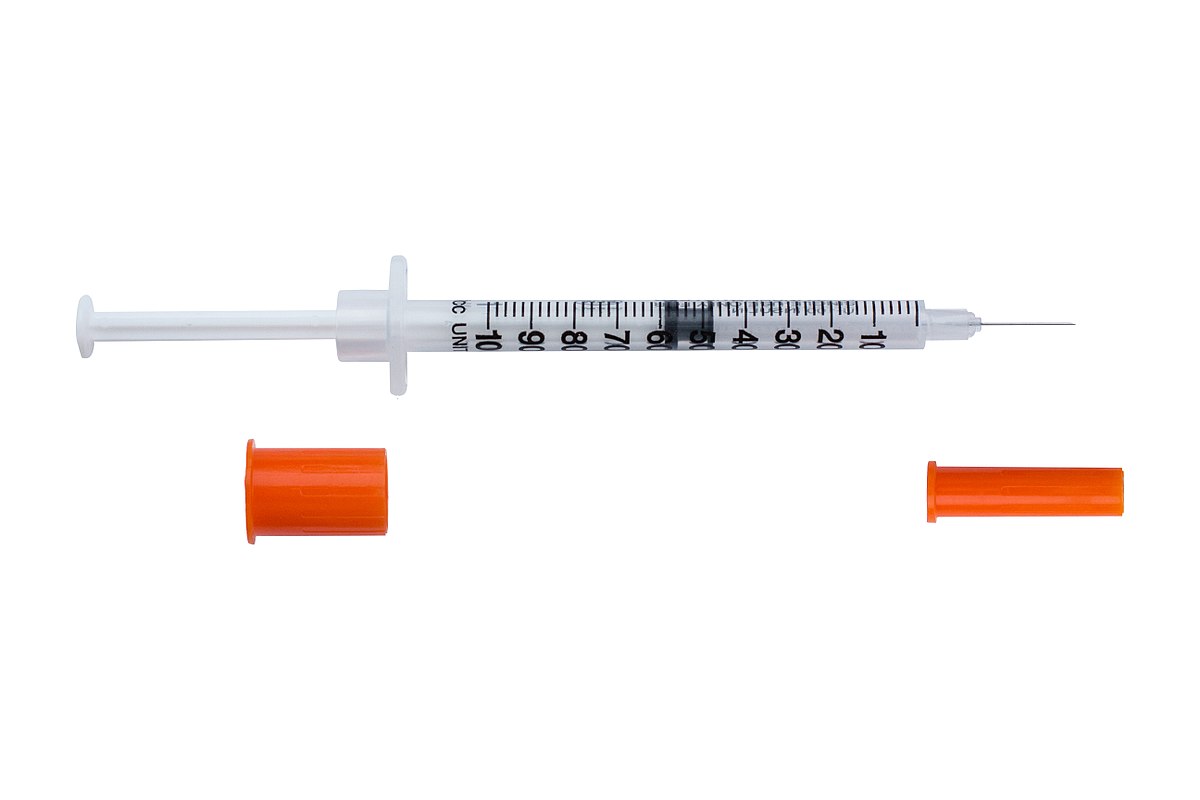
Insulin is often self-administered from an insulin bottle using syringes. Needles attach to syringes and are labeled by length and thickness. Thickness is described using “G” for gauge.
The key relationship to remember is:
- The thinner the needle, the higher its gauge
For example, a 31-gauge needle is thinner than a 28-gauge needle. Insulin syringes are scaled in units for U-100 insulin, where 100 units equals 1 mL; the common 0.3 mL, 0.5 mL, and 1 mL syringe sizes hold 30, 50, and 100 units, respectively.
Syringes and insulin pens deliver insulin through a needle. Some pens use cartridges that are inserted into the pen. Others are pre-filled and discarded after all the insulin is used. With a pen, the insulin dose is dialed, and the insulin is injected through a needle.
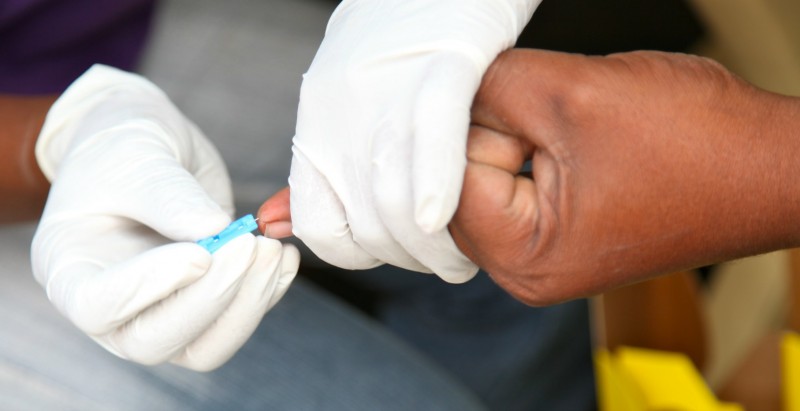
Lancet devices are used to check blood glucose levels by finger prick. They consist of a small, sharp, needle-like lancet and a lancet holder. OneTouch and Freestyle are common brands for lancets.
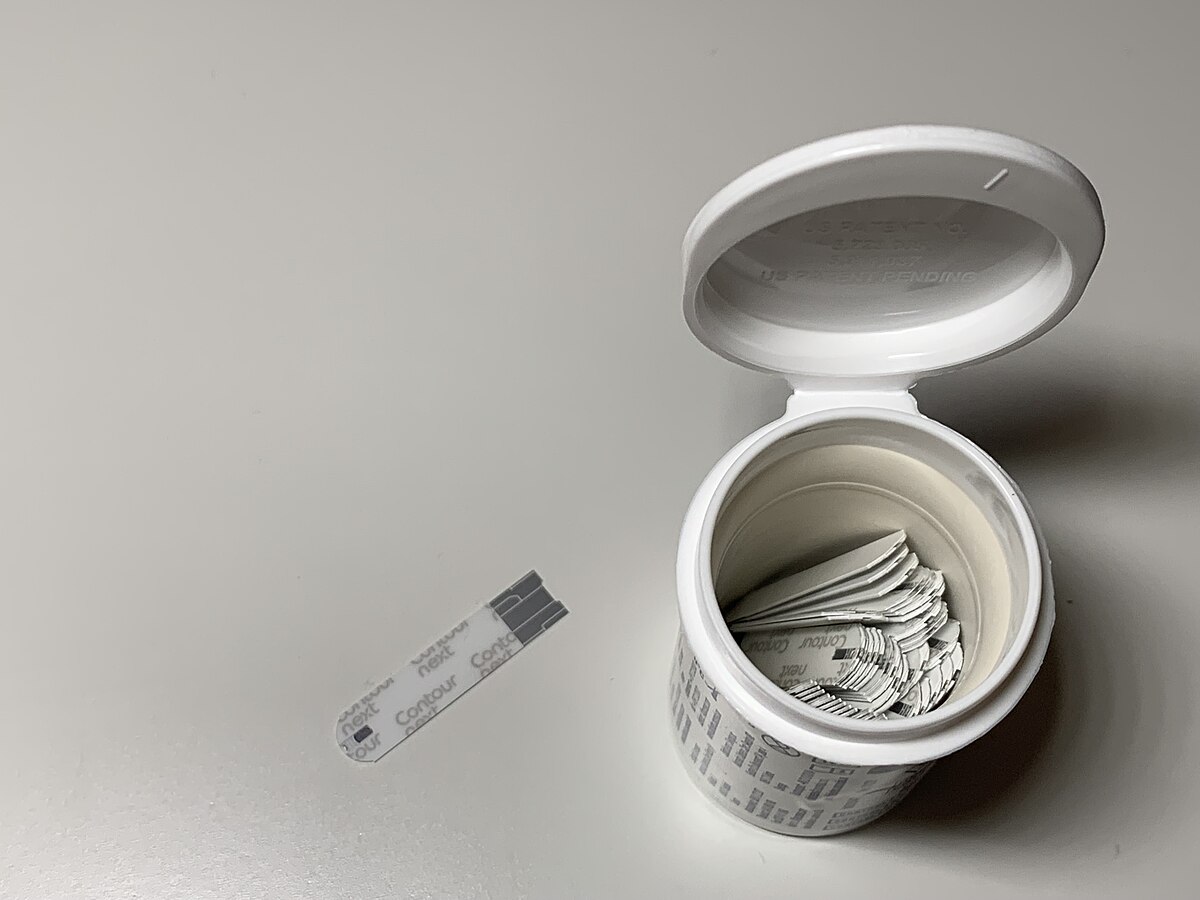
A glucometer measures blood glucose by reading a test strip that holds a drop of blood obtained with a lancet.
Insulin pumps are small devices worn on the body, not implanted. They deliver insulin through a thin cannula under the skin of the abdomen or upper arm; some, like Omnipod, are tubeless patches. Many newer systems pair with a continuous glucose monitor (CGM) and automatically adjust insulin doses, though traditional pumps simply deliver the programmed basal and bolus doses the patient sets.
Continuous glucose monitoring devices (CGMs) record blood glucose levels around the clock. Dexcom, FreeStyle Libre, and Medtronic are common CGM devices.
iLet® Bionic Pancreas System, Medtronic MiniMed™, Omnipod®, and Tandem® t:slim are insulin pump systems available in the United States.
Other administration supplies
A few other supplies covered under this knowledge area aren’t specific to diabetes:
- Inhaler spacers: attach to an inhaler so more of the dose reaches the lungs.
- Nebulizers: turn liquid medication into a mist the patient inhales.
- Oral syringes: measure liquid oral doses; no needle attaches.
- Injectable syringes and filters: syringes attach to a needle; a filter needle keeps glass out of doses drawn from an ampule.
- Dilution solutions: diluents such as sterile water or saline reconstitute injectable medications.
- Immunization supplies: syringes, needles, alcohol swabs, and sharps containers used to give vaccines.
Procedures for identifying and returning dispensable, non-dispensable, and expired medications and supplies
Medication stock needs to be maintained and reviewed consistently to support efficient dispensing. Inventory can be affected by changing demand, supply chain issues, expired drugs, drug overstocking, and drug returns.
Prescription medication must not be dispensed after the manufacturer’s container expiration date. Pharmacies commonly perform an internal inventory inspection at least once every month (a typical state or facility requirement) to verify expiration dates and remove expired drugs.
A manufacturer’s stock bottle remains good through the manufacturer’s printed expiration date, whether sealed or already opened, provided it continues to be stored as labeled. A facility policy may set a shorter (stricter) expiration, but there is no default rule that shortens a stock bottle’s date to one year after opening.
Example: Opened-container expiration
A technician opens a stock bottle on March 1, 2025, with a printed expiration date of February 28, 2027. No stricter policy applies, and the bottle continues to be stored as labeled. Through what date does it remain usable?
Answer: February 28, 2027 - the manufacturer’s printed expiration date governs a stock bottle whether it’s sealed or opened, as long as it’s stored as labeled.
When a pharmacist dispenses medication to a patient in a multiple-unit container, the label’s beyond-use date (BUD) follows a different rule: per USP General Notices 10.40.100, the BUD must be no later than the manufacturer’s expiration date on the container or one year from the date the drug is dispensed, whichever is earlier. This one-year dispensing rule applies to the container label given to the patient - it isn’t a rule about how long an opened manufacturer’s stock bottle remains usable on the pharmacy shelf.
Drugs that are close to expiring are removed from pharmacy shelves and are typically returned to wholesalers. Reverse distribution is when a third party takes the pharmacy’s unsalable, expired drug products and sends them back to manufacturers and/or wholesalers for a return credit, or disposes of them. Return credits - offered by many manufacturers and distributors - let pharmacies recover some of the cost of purchasing and storing expired or unsold medications.
Medications not picked up or used 14 days from the fill date are returned to stock (RTS). The patient is sent reminders using their preferred contact method before the medication is returned to stock.
Before restocking, the medication contents are inspected and identified to confirm label accuracy. All return-to-stock medications must have the drug, strength, dosage form, NDC number, manufacturer, and expiration date clearly identified on the label or product packaging. All patient identifiers must be removed before returning the medication to the shelf.