


Achievable logoAchievable logo
NPTE-PTA
Sign in
Sign up
Purchase
Textbook
Practice exams
Support
How it works
Resources
Exam catalog
Mountain with a flag at the peak
Textbook
Introduction
1. Cardiopulmonary system
2. Pulmonary system
2.1 Pathophysiology of pulmonary system
2.2 Auscultation and differential diagnosis of pulmonary system, lines and tubes
2.3 Understanding arterial blood gases
2.4 Interventions for pulmonary system
3. Neuromuscular system
4. Pediatrics
5. Musculoskeletal system
6. Other system
7. Non systems
Wrapping up
Achievable logoAchievable logo
2.3 Understanding arterial blood gases
Achievable NPTE-PTA
2. Pulmonary system
Our NPTE-PTA course is now in "early access" - get 50% off for a limited time.

Understanding arterial blood gases

7 min read
Font
Discuss
Share
Feedback
Definitions
Arterial blood gases
Subset of tests that measure the amount of oxygen (O2​), carbon dioxide (CO2​), and pH of the blood; indicator of the function of lungs, kidneys, and acid-base balance in the body
Partial pressure of oxygen (PaO2​)
Pressure of dissolved oxygen in blood
Partial pressure of carbon dioxide (PaCO2​)
Pressure of dissolved carbon dioxide in the blood
pH
Measurement of acidity or alkalinity in blood
Bicarbonate (HCO3−​)
Chemical that assists with regulation of pH in blood

Important lab values

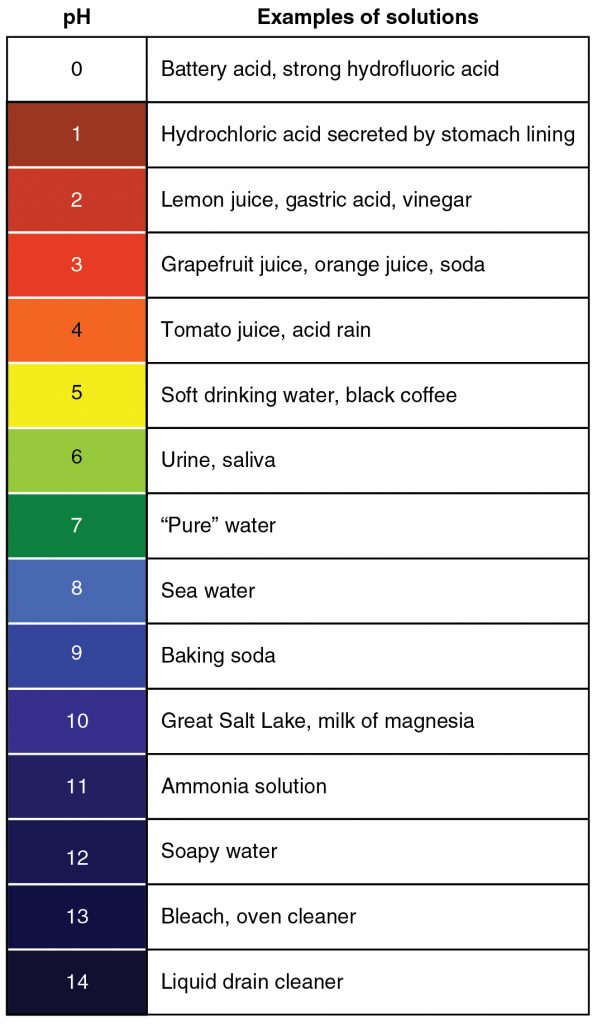
  • pH
    • Normal/neutral = 7.35-7.45
    • Below 7.35 = acidic
    • Above 7.45 = alkaline
Acid-base chart
Acid-base chart
Anatomy & Physiology by Lindsay M. Biga, Sierra Dawson, Amy Harwell, Robin Hopkins, Joel Kaufmann, Mike LeMaster, Philip Matern, Katie Morrison-Graham, Devon Quick & Jon Runyeon
/
Oregon State University
/
CC BY 4.0
  • Partial pressure of oxygen (PaO2​)

    • Normal = 75-100 mmHg
    • Below 75 = hypoxemia
    • Above 100 = hyperoxemia (typically supplemental oxygen administration)
  • Partial pressure of carbon dioxide (PaCO2​) - related to respiratory conditions

    • Normal = 35-45 mmHg
    • Below 35 = alkaline
    • Above 45 = acidic
  • Bicarbonate (HCO3−​) - related to metabolic conditions

    • Normal = 22-26 mEq/L
    • Below 22 = acidic
    • Above 26 = alkaline

Acid-base diseases

  • Respiratory acidosis

    • Related diagnosis: COPD, pneumonia, atelectasis, anesthesia, drug overdose
    • Define: the lung does not efficiently remove carbon dioxide from the system, causing a buildup of carbon dioxide in the bloodstream
    • Lab values:
      • pH below 7.35
      • PaCO2​ above 45
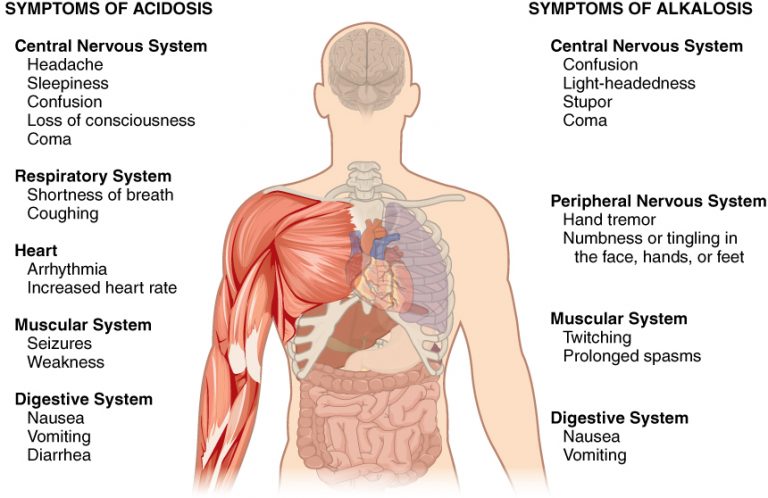
    • Symptoms: hypoventilation, hypoxia, rapid-shallow breaths, decreased blood pressure, dyspnea, hyperkalemia, muscle weakness
  • Respiratory alkalosis

    • Related diagnosis: anxiety attacks, pulmonary embolism, mechanical ventilation
    • Define: the lung excessively removes carbon dioxide from the system, leading to decreased amounts of carbon dioxide in bloodstream
    • Lab values:
      • pH above 7.45
      • PaCO2​ below 35
    • Symptoms: hyperventilation, tachycardia, hypokalemia, numbness/tingling of extremities, deep-rapid breathing, seizures, nausea, vomiting, light headedness, lethargy, confusion
  • Metabolic acidosis

    • Related diagnosis: diabetic ketoacidosis, severe diarrhea, renal failure, sepsis (systemic shock)
    • Define: accumulation of metabolic acids or excessive loss of bicarbonate, lowering blood pH
    • Lab values:
      • pH below 7.35
      • HCO3−​ below 22
    • Symptoms: headache, decreased blood pressure, hyperkalemia, muscle twitching, nausea, vomiting, diarrhea, changes in consciousness, Kussmaul respirations (compensatory hyperventilation)
  • Metabolic alkalosis

    • Related diagnosis: severe vomiting, excessive diuretic use, excessive antacid use, excessive gastrointestinal suctioning
    • Define: the body has removed too much acid or retained too much bicarbonate, leading to an alkaline shift in the bloodstream
    • Lab values:
      • pH above 7.45
      • HCO3−​ above 26
    • Symptoms: restlessness, tachycardia, compensatory hypoventilation, confusion, nausea, vomiting, tremors, cramps
Symptoms of acidosis/alkalosis
Anatomy & Physiology by Lindsay M. Biga, Sierra Dawson, Amy Harwell, Robin Hopkins, Joel Kaufmann, Mike LeMaster, Philip Matern, Katie Morrison-Graham, Devon Quick & Jon Runyeon
/
Oregon State University
/
CC BY 4.0

The four disorders can present with overlapping symptoms, so the exam expects you to distinguish them by management focus as well as by lab values:

Disorder Management focus
Respiratory acidosis Improve ventilation - bronchodilators, positioning, airway clearance, mechanical ventilation if severe
Respiratory alkalosis Treat the cause of hyperventilation - anxiety management, breathing retraining, treat the underlying illness
Metabolic acidosis Treat the underlying cause (e.g., insulin for diabetic ketoacidosis, treat sepsis) and replace bicarbonate if severe
Metabolic alkalosis Correct the cause - replace fluid and electrolytes, stop contributing medications (e.g., diuretics, antacids)

Treatment of arterial blood gas disorders

Compensation is the body’s way of adjusting one system (respiratory or metabolic) to offset a disturbance in the other.

  • If the lungs are the problem, the kidneys try to help.
  • If the kidneys are the problem, the lungs try to help.

There are three types of compensation:

Type pH status Compensation present?
Uncompensated Abnormal No compensation
Partially compensated Abnormal Compensation is occurring
Fully compensated Normal (7.35-7.45) Compensation has corrected the pH

To interpret an ABG, work through the values in this order:

  1. Classify the pH as acidotic (below 7.35) or alkalotic (above 7.45).
  2. Compare PaCO2​ and HCO3−​ to the direction of the pH shift - whichever one explains the pH shift names the primary disorder - a PaCO2 moving opposite to the pH (high with acidosis, low with alkalosis) points to a respiratory cause, while an HCO3 moving in the same direction as the pH points to a metabolic cause (PaCO2​ points to a respiratory cause, HCO3−​ points to a metabolic cause).
  3. Check the opposing value: if it’s still in the normal range, the disorder is uncompensated; if it has shifted to help but the pH still hasn’t normalized, it’s partially compensated; if the pH has returned to the normal range, it’s fully compensated.

Partially compensated arterial blood gases

Definition:

  • pH is still outside the normal range, so the imbalance is not fully corrected.
  • The opposing system has begun to respond, but not enough to normalize pH.

Example: partially compensated respiratory acidosis

Value Result Interpretation
pH 7.30 Acidotic
PaCO2​ 55 mmHg High (respiratory acidosis)
HCO3−​ 29 mEq/L High (kidneys compensating)

Answer: Respiratory acidosis with partial metabolic compensation.

Fully compensated arterial blood gases

Definition:

  • The pH is back within normal range (7.35-7.45) due to effective compensation.
  • One component remains abnormal, indicating that a primary disorder still exists, but the body has corrected the pH.

Example: fully compensated metabolic acidosis

Value Result Interpretation
pH 7.36 Normal (low end)
PaCO2​ 30 mmHg Low (lungs compensating)
HCO3−​ 18 mEq/L Low (metabolic acidosis)

Answer: Fully compensated metabolic acidosis.

PTA role: if a patient’s ABG values are abnormal, or you observe an adverse response during an intervention - new or worsening dyspnea, chest pain, dizziness, or a drop in systolic blood pressure as workload increases - stop the activity and communicate the finding to the supervising PT. The PTA collects and reports this data; adjusting the plan of care in response to it is the PT’s responsibility.

Arterial blood gases (ABGs) and Key Definitions

  • ABGs measure O2​, CO2​, and pH; assess lung, kidney, and acid-base function
  • PaO2​: pressure of dissolved oxygen in blood
  • PaCO2​: pressure of dissolved carbon dioxide in blood
  • pH: blood acidity/alkalinity
  • HCO3−​: bicarbonate, regulates blood pH

Important Lab Values

  • pH: normal 7.35–7.45; < 7.35 acidic, > 7.45 alkaline
  • PaO2​: normal 75–100 mmHg; < 75 hypoxemia, > 100 hyperventilation
  • PaCO2​: normal 35–45 mmHg; < 35 alkaline, > 45 acidic (respiratory)
  • HCO3−​: normal 22–26 mEq/L; < 22 acidic, > 26 alkaline (metabolic)

Acid-Base Diseases

  • Respiratory acidosis: pH < 7.35, PaCO2​ > 45; causes—COPD, pneumonia, hypoventilation
  • Respiratory alkalosis: pH > 7.45, PaCO2​ < 35; causes—anxiety, hyperventilation
  • Metabolic acidosis: pH < 7.35, HCO3−​ < 22; causes—DKA, renal failure, diarrhea
  • Metabolic alkalosis: pH > 7.45, HCO3−​ > 26; causes—vomiting, diuretics, antacids

Compensation in Acid-Base Disorders

  • Compensation: one system (lungs/kidneys) adjusts to offset the other’s disturbance
    • Lungs compensate for metabolic issues; kidneys for respiratory issues
  • Types:
    • Uncompensated: abnormal pH, no compensation
    • Partially compensated: abnormal pH, compensation occurring
    • Fully compensated: pH normal, one abnormal component remains

Examples of Compensation

  • Partially compensated respiratory acidosis:
    • pH low, PaCO2​ high, HCO3−​ high (kidneys compensating)
  • Fully compensated metabolic acidosis:
    • pH normal (low end), PaCO2​ low (lungs compensating), HCO3−​ low (primary disorder)

Sign up for free to take 8 quiz questions on this topic

Previous
Next  | 2.4 Interventions for pulmonary system
All rights reserved ©2016 - 2026 Achievable, Inc.

Understanding arterial blood gases

Definitions
Arterial blood gases
Subset of tests that measure the amount of oxygen (O2​), carbon dioxide (CO2​), and pH of the blood; indicator of the function of lungs, kidneys, and acid-base balance in the body
Partial pressure of oxygen (PaO2​)
Pressure of dissolved oxygen in blood
Partial pressure of carbon dioxide (PaCO2​)
Pressure of dissolved carbon dioxide in the blood
pH
Measurement of acidity or alkalinity in blood
Bicarbonate (HCO3−​)
Chemical that assists with regulation of pH in blood

Important lab values

  • pH
    • Normal/neutral = 7.35-7.45
    • Below 7.35 = acidic
    • Above 7.45 = alkaline
  • Partial pressure of oxygen (PaO2​)

    • Normal = 75-100 mmHg
    • Below 75 = hypoxemia
    • Above 100 = hyperoxemia (typically supplemental oxygen administration)
  • Partial pressure of carbon dioxide (PaCO2​) - related to respiratory conditions

    • Normal = 35-45 mmHg
    • Below 35 = alkaline
    • Above 45 = acidic
  • Bicarbonate (HCO3−​) - related to metabolic conditions

    • Normal = 22-26 mEq/L
    • Below 22 = acidic
    • Above 26 = alkaline

Acid-base diseases

  • Respiratory acidosis

    • Related diagnosis: COPD, pneumonia, atelectasis, anesthesia, drug overdose
    • Define: the lung does not efficiently remove carbon dioxide from the system, causing a buildup of carbon dioxide in the bloodstream
    • Lab values:
      • pH below 7.35
      • PaCO2​ above 45
    • Symptoms: hypoventilation, hypoxia, rapid-shallow breaths, decreased blood pressure, dyspnea, hyperkalemia, muscle weakness
  • Respiratory alkalosis

    • Related diagnosis: anxiety attacks, pulmonary embolism, mechanical ventilation
    • Define: the lung excessively removes carbon dioxide from the system, leading to decreased amounts of carbon dioxide in bloodstream
    • Lab values:
      • pH above 7.45
      • PaCO2​ below 35
    • Symptoms: hyperventilation, tachycardia, hypokalemia, numbness/tingling of extremities, deep-rapid breathing, seizures, nausea, vomiting, light headedness, lethargy, confusion
  • Metabolic acidosis

    • Related diagnosis: diabetic ketoacidosis, severe diarrhea, renal failure, sepsis (systemic shock)
    • Define: accumulation of metabolic acids or excessive loss of bicarbonate, lowering blood pH
    • Lab values:
      • pH below 7.35
      • HCO3−​ below 22
    • Symptoms: headache, decreased blood pressure, hyperkalemia, muscle twitching, nausea, vomiting, diarrhea, changes in consciousness, Kussmaul respirations (compensatory hyperventilation)
  • Metabolic alkalosis

    • Related diagnosis: severe vomiting, excessive diuretic use, excessive antacid use, excessive gastrointestinal suctioning
    • Define: the body has removed too much acid or retained too much bicarbonate, leading to an alkaline shift in the bloodstream
    • Lab values:
      • pH above 7.45
      • HCO3−​ above 26
    • Symptoms: restlessness, tachycardia, compensatory hypoventilation, confusion, nausea, vomiting, tremors, cramps

The four disorders can present with overlapping symptoms, so the exam expects you to distinguish them by management focus as well as by lab values:

Disorder Management focus
Respiratory acidosis Improve ventilation - bronchodilators, positioning, airway clearance, mechanical ventilation if severe
Respiratory alkalosis Treat the cause of hyperventilation - anxiety management, breathing retraining, treat the underlying illness
Metabolic acidosis Treat the underlying cause (e.g., insulin for diabetic ketoacidosis, treat sepsis) and replace bicarbonate if severe
Metabolic alkalosis Correct the cause - replace fluid and electrolytes, stop contributing medications (e.g., diuretics, antacids)

Treatment of arterial blood gas disorders

Compensation is the body’s way of adjusting one system (respiratory or metabolic) to offset a disturbance in the other.

  • If the lungs are the problem, the kidneys try to help.
  • If the kidneys are the problem, the lungs try to help.

There are three types of compensation:

Type pH status Compensation present?
Uncompensated Abnormal No compensation
Partially compensated Abnormal Compensation is occurring
Fully compensated Normal (7.35-7.45) Compensation has corrected the pH

To interpret an ABG, work through the values in this order:

  1. Classify the pH as acidotic (below 7.35) or alkalotic (above 7.45).
  2. Compare PaCO2​ and HCO3−​ to the direction of the pH shift - whichever one explains the pH shift names the primary disorder - a PaCO2 moving opposite to the pH (high with acidosis, low with alkalosis) points to a respiratory cause, while an HCO3 moving in the same direction as the pH points to a metabolic cause (PaCO2​ points to a respiratory cause, HCO3−​ points to a metabolic cause).
  3. Check the opposing value: if it’s still in the normal range, the disorder is uncompensated; if it has shifted to help but the pH still hasn’t normalized, it’s partially compensated; if the pH has returned to the normal range, it’s fully compensated.

Partially compensated arterial blood gases

Definition:

  • pH is still outside the normal range, so the imbalance is not fully corrected.
  • The opposing system has begun to respond, but not enough to normalize pH.

Example: partially compensated respiratory acidosis

Value Result Interpretation
pH 7.30 Acidotic
PaCO2​ 55 mmHg High (respiratory acidosis)
HCO3−​ 29 mEq/L High (kidneys compensating)

Answer: Respiratory acidosis with partial metabolic compensation.

Fully compensated arterial blood gases

Definition:

  • The pH is back within normal range (7.35-7.45) due to effective compensation.
  • One component remains abnormal, indicating that a primary disorder still exists, but the body has corrected the pH.

Example: fully compensated metabolic acidosis

Value Result Interpretation
pH 7.36 Normal (low end)
PaCO2​ 30 mmHg Low (lungs compensating)
HCO3−​ 18 mEq/L Low (metabolic acidosis)

Answer: Fully compensated metabolic acidosis.

PTA role: if a patient’s ABG values are abnormal, or you observe an adverse response during an intervention - new or worsening dyspnea, chest pain, dizziness, or a drop in systolic blood pressure as workload increases - stop the activity and communicate the finding to the supervising PT. The PTA collects and reports this data; adjusting the plan of care in response to it is the PT’s responsibility.

Key points

Arterial blood gases (ABGs) and Key Definitions

  • ABGs measure O2​, CO2​, and pH; assess lung, kidney, and acid-base function
  • PaO2​: pressure of dissolved oxygen in blood
  • PaCO2​: pressure of dissolved carbon dioxide in blood
  • pH: blood acidity/alkalinity
  • HCO3−​: bicarbonate, regulates blood pH

Important Lab Values

  • pH: normal 7.35–7.45; < 7.35 acidic, > 7.45 alkaline
  • PaO2​: normal 75–100 mmHg; < 75 hypoxemia, > 100 hyperventilation
  • PaCO2​: normal 35–45 mmHg; < 35 alkaline, > 45 acidic (respiratory)
  • HCO3−​: normal 22–26 mEq/L; < 22 acidic, > 26 alkaline (metabolic)

Acid-Base Diseases

  • Respiratory acidosis: pH < 7.35, PaCO2​ > 45; causes—COPD, pneumonia, hypoventilation
  • Respiratory alkalosis: pH > 7.45, PaCO2​ < 35; causes—anxiety, hyperventilation
  • Metabolic acidosis: pH < 7.35, HCO3−​ < 22; causes—DKA, renal failure, diarrhea
  • Metabolic alkalosis: pH > 7.45, HCO3−​ > 26; causes—vomiting, diuretics, antacids

Compensation in Acid-Base Disorders

  • Compensation: one system (lungs/kidneys) adjusts to offset the other’s disturbance
    • Lungs compensate for metabolic issues; kidneys for respiratory issues
  • Types:
    • Uncompensated: abnormal pH, no compensation
    • Partially compensated: abnormal pH, compensation occurring
    • Fully compensated: pH normal, one abnormal component remains

Examples of Compensation

  • Partially compensated respiratory acidosis:
    • pH low, PaCO2​ high, HCO3−​ high (kidneys compensating)
  • Fully compensated metabolic acidosis:
    • pH normal (low end), PaCO2​ low (lungs compensating), HCO3−​ low (primary disorder)

More from Pulmonary system

  • Pathophysiology of pulmonary system
  • Auscultation and differential diagnosis of pulmonary system, lines and tubes
  • Interventions for pulmonary system