



High-risk medications
Introduction
High-risk medications don’t just treat illness; they walk a tightrope between healing and harm. These drugs are identified by the Institute for Safe Medication Practices (ISMP) as high-alert medications and are commonly tested on the NCLEX because even a small error can lead to serious, life-threatening consequences. This section prepares you to recognize, administer, and monitor these medications with the heightened vigilance they demand.
Nurses are the last line of defense before a high-alert medication reaches the client. Understanding the unique dangers, safeguards, and clinical red flags of these drugs is a hallmark of safe nursing practice and NCLEX success.
Learning objectives
By the end of this section, you should be able to:
- identify major high-risk drug classes and why they are flagged as high-alert
- monitor for early signs of toxicity or adverse effects in high-risk medications
- apply safe administration principles for insulin, anticoagulants, opioids, and chemotherapy
- educate clients about safe self-administration, side effects, and when to seek help
What makes a medication “high-risk”?
High-risk (or high-alert) medications carry a heightened risk of causing significant harm if used incorrectly. Many also have a narrow therapeutic window or require specialized monitoring. They often require:
- independent double-checks when required by institutional policy.
- dose adjustments based on labs.
- special administration equipment (e.g., pumps).
- close client monitoring.
Core high-risk drug classes
1. Anticoagulants (warfarin, heparin, enoxaparin)
Used to prevent or treat blood clots (DVT, PE, stroke). Minor dosing errors can cause severe bleeding or clot recurrence.
Risks:
- Bleeding (gums, GI, intracranial)
- Hematomas
- Drug interactions (especially with NSAIDs and some antibiotics)
Nursing interventions:
- Monitor labs: INR for warfarin, aPTT for unfractionated heparin.
- Antidotes: Vitamin K for warfarin, protamine sulfate for unfractionated heparin.
- Use a soft toothbrush, an electric razor, and fall precautions.
- Monitor for black stools, hematuria, and bruising.
2. Insulin
Essential for managing blood glucose in diabetes, but improper use can cause hypoglycemia, coma, or death.
Risks:
- Hypoglycemia (tremors, sweating, confusion, seizures)
- Dosing errors due to concentration mix-ups
- Incorrect timing relative to meals
Nursing interventions:
- Perform an independent double-check of insulin doses with another qualified clinician per institutional policy.
- Use sliding scales or protocols with orders.
- Administer rapid- or short-acting insulin (e.g., lispro, regular) according to meal timing and provider orders.
- Rotate injection sites to avoid lipodystrophy.
- Monitor blood glucose before and after administration.
3. Opioids (morphine, hydromorphone, fentanyl)
Effective for pain control, but they carry risks of respiratory depression, overdose, and dependence.
Risks:
- Respiratory depression
- Sedation, confusion, constipation
- Fall risk
- Tolerance and addiction (chronic use)
Nursing interventions:
- Monitor RR, SpO₂, and level of consciousness.
- Keep naloxone (Narcan) available.
- Use a pain scale; reassess after administration.
- Educate the client to avoid alcohol or sedatives.
Clinical vignette: A postoperative client receives IV morphine for pain. Thirty minutes later, her respiratory rate is 8/min, and she is difficult to arouse.
Nursing action: Hold further opioid doses. Support the airway, administer naloxone as ordered, notify the provider, and continue close respiratory monitoring.
Rationale: Respiratory depression is a life-threatening adverse effect of opioids. Prompt recognition and intervention help prevent respiratory arrest.
4. Chemotherapy agents (methotrexate, doxorubicin, cisplatin)
Designed to kill cancer cells, but often damage healthy cells too. Requires specialized training and competency to administer in most settings.
Risks:
- Myelosuppression (low WBC, RBC, platelets)
- Mucositis, nausea, vomiting
- Organ toxicity (e.g., kidney, liver, heart)
- Vesicant injury (extravasation causes tissue damage)
Nursing interventions:
- Monitor CBC, liver, and renal panels.
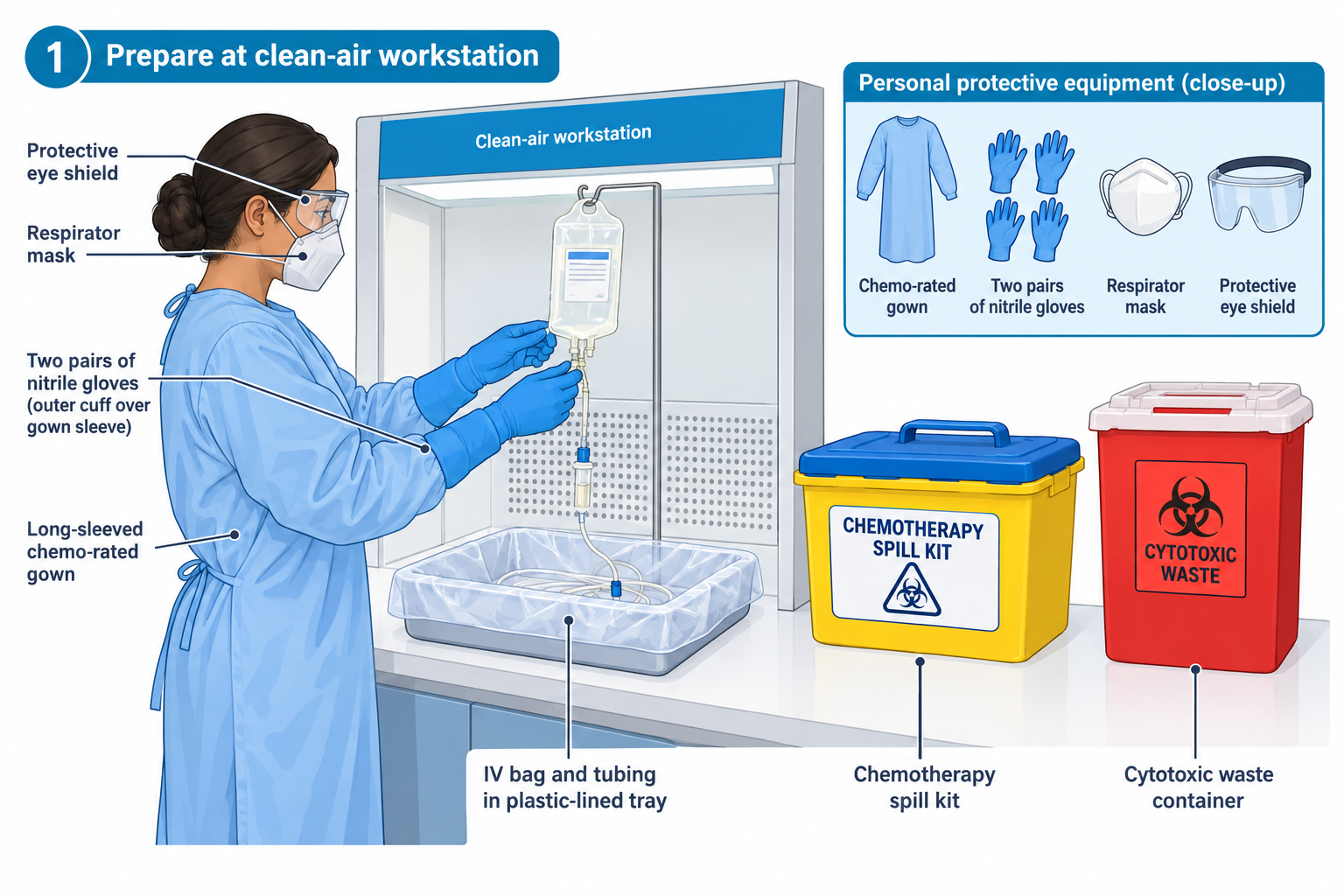
- Use personal protective equipment (PPE).
- Administer antiemetics before infusion.
- Handle drugs per chemo safety protocol.
- Assess IV site frequently for extravasation.
5. Concentrated electrolytes and parenteral nutrition (TPN)
Risks:
- Fatal arrhythmias from concentrated potassium given too quickly
- Hyperglycemia, infection, and metabolic imbalances with TPN
Nursing interventions:
- Never administer concentrated potassium as an IV push; dilute it and infuse slowly via an infusion pump, with cardiac monitoring.
- Monitor blood glucose and use strict aseptic technique when administering TPN, given its high infection risk.
ISMP high-alert medication examples
| Category | Examples |
| Anticoagulants | Warfarin, heparin, enoxaparin |
| Insulins | Regular, rapid-acting, NPH, long-acting (e.g., glargine) |
| Opioids | Morphine, hydromorphone, fentanyl |
| Chemotherapy | Cyclophosphamide, methotrexate, vincristine |
| Electrolytes | Concentrated IV potassium, magnesium sulfate |
| Sedatives | Midazolam, lorazepam |
| Parenteral nutrition | TPN, lipids |