


Achievable logoAchievable logo
CCMA
Sign in
Sign up
Purchase
Textbook
Practice exams
Support
How it works
Resources
Exam catalog
Mountain with a flag at the peak
Textbook
Introduction
1. Medical assistant
2. Electronic records
3. Medical terminology and anatomy
4. The fundamentals of infection control
5. Introduction to vital signs
6. The patient interview and history
7. The physical examination
8. Appointment scheduling
9. Insurance billing
10. Diagnostic coding and the ICD-10-CM System
11. Procedural coding
12. Medical billing and reimbursement essentials
13. Assisting with medical specialties
14. Assisting with the musculoskeletal system
15. Assisting with the cardiovascular system
16. Assisting with the respiratory system
17. Assisting with the nervous system
18. Anatomy and physiology of the urinary system
19. Assisting in obstetrics and gynecology
20. Assisting in endocrinology
21. Assisting in ophthalmology & otolaryngology
21.1 Anatomy and physiology of the eye
21.2 Anatomy and physiology of the ear and lifespan changes
21.3 Major ocular disorders: cataracts, glaucoma, and retinal disease
21.4 Refractive errors and common eye infections
21.5 Diseases and disorders of the ear
21.6 The medical assistant's role in eye examinations
21.7 The medical assistant's role in vision screening tests
21.8 The medical assistant's role in ear examinations and treatments
21.9 Patient coaching, legal issues, and professional behaviors in eye and ear care
22. Assisting in gastroenterology
23. Assisting in the immune & lymphatic systems
24. Assisting in pediatrics: the developmental stages and care
25. The medical assistant’s role in caring for the older patient
26. The role of the medical assistant in physical therapy examination and assessment
27. Preparing for minor surgery: room, solutions, and supplies
28. Introduction to the clinical laboratory
29. Urinalysis
30. Blood collection
31. Analysis of blood
32. Electrocardiography and heart structure
33. The principles of pharmacology
34. Essential calculations and measurement systems
35. Solid, liquid, & solutions medication doses
36. Administering medications
37. Metabolism and core nutrient roles
38. Medical emergencies in the healthcare setting
Achievable logoAchievable logo
21.9 Patient coaching, legal issues, and professional behaviors in eye and ear care
Achievable CCMA
21. Assisting in ophthalmology & otolaryngology

Patient coaching, legal issues, and professional behaviors in eye and ear care

4 min read
Font
Discuss
Share
Feedback

Patient coaching

Patients with vision or hearing impairment face serious challenges. For these patients, the medical assistant must use good listening skills, appropriate nonverbal methods, and touch to communicate empathy and understanding. Teaching may have to be adapted to meet the special needs of these patients. A person with a vision loss benefits from large-print forms and handouts, increased lighting, and verbal rather than written instructions to reinforce learning. For an individual with a hearing deficit, printed instructions, demonstrations of how to manage treatments, or even sign language interpretation should be available to ensure accurate communication. Including family members in the patient’s treatment plan and offering referrals to appropriate community or professional resources may be very beneficial to a patient with sensory loss. Each patient must be assessed individually to determine the type of adaptation needed.

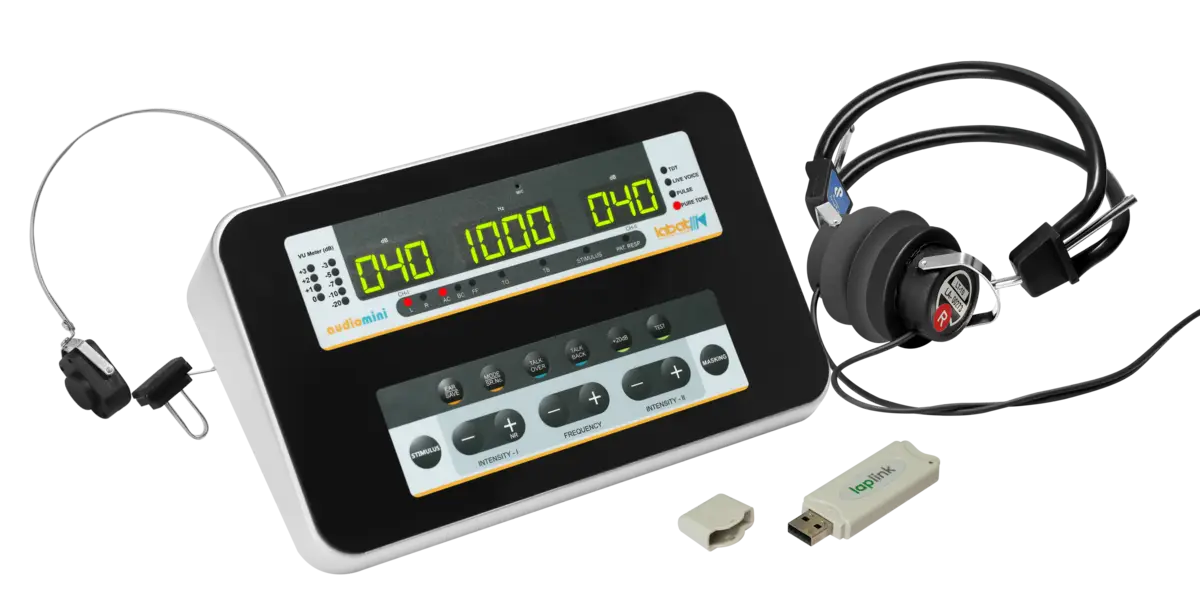
Audiometer used to conduct hearing tests
Audiometer
Wikimedia Commons
/
CC BY-SA 4.0

An important part of patient coaching for those administering eye medications at home is stressing the need to maintain the sterility of the medication. Patients and family members must be taught how to apply the medication while preventing trauma to the eye and contamination of the applicator. Patients administering ear treatments also must understand how to instill the medication.

Legal and ethical issues

The Americans with Disabilities Act (ADA) was passed in 1990, and amendments were added in 2008. The Americans with Disabilities Act Amendments Act (ADAAA) prohibits discrimination based on disability. An individual with a disability is defined by the ADAAA as a person who has a physical or mental impairment that substantially limits one or more major life activities, a person who has a history or record of such an impairment, or a person who is perceived by others as having such an impairment. Public facilities, including ambulatory care facilities and other healthcare buildings, must comply with ADAAA requirements for physical accommodations. Public medical facilities must provide individuals with disabilities access to communication devices if they have a problem with vision, hearing, reading, or comprehension. Additional details can be found at: Americans with Disabilities Act Amendments Act (ADAAA) Questions and Answers

Patient-centered care

Diminished sight or hearing may render a patient seriously impaired. To prevent accidents and office injuries, always ask sight- or hearing-impaired patients whether they require assistance. When you escort the patient to an examination room, offer your arm and tell the patient the approximate distance you will be walking. If the patient is to have an examination that involves local anesthesia or eye drops that dilate the pupil, be sure the patient has recovered, has sunglasses, and that someone is available to drive the patient home before allowing them to leave the facility. Never assume that the patient is capable of leaving alone. If the patient insists on leaving before the designated recovery time, inform the provider and record the time and circumstances surrounding the event in the patient’s health record.

Professional behaviors

Patients with vision and hearing problems require an extra level of professional courtesy and respectfulness. Imagine what it would be like if you could not see clearly or if you had difficulty understanding what your provider was saying to you. How would you like a family member who has sensory difficulties to be treated when visiting the provider? Focus on how you can adapt the facility’s environment to accommodate the needs of these patients. Is there adequate lighting? Are patient education materials available that have been adapted for individuals with vision impairment? How can you most effectively and respectfully communicate with a patient who has hearing loss? Many times, just the act of empathy - imagining yourself in the place of the patient - can help you treat patients with the respect and courtesy they deserve.

Sign up for free to take 10 quiz questions on this topic

Previous
Next  | 22.1 Assisting in gastroenterology
All rights reserved ©2016 - 2026 Achievable, Inc.

Patient coaching, legal issues, and professional behaviors in eye and ear care

Patient coaching

Patients with vision or hearing impairment face serious challenges. For these patients, the medical assistant must use good listening skills, appropriate nonverbal methods, and touch to communicate empathy and understanding. Teaching may have to be adapted to meet the special needs of these patients. A person with a vision loss benefits from large-print forms and handouts, increased lighting, and verbal rather than written instructions to reinforce learning. For an individual with a hearing deficit, printed instructions, demonstrations of how to manage treatments, or even sign language interpretation should be available to ensure accurate communication. Including family members in the patient’s treatment plan and offering referrals to appropriate community or professional resources may be very beneficial to a patient with sensory loss. Each patient must be assessed individually to determine the type of adaptation needed.

An important part of patient coaching for those administering eye medications at home is stressing the need to maintain the sterility of the medication. Patients and family members must be taught how to apply the medication while preventing trauma to the eye and contamination of the applicator. Patients administering ear treatments also must understand how to instill the medication.

Legal and ethical issues

The Americans with Disabilities Act (ADA) was passed in 1990, and amendments were added in 2008. The Americans with Disabilities Act Amendments Act (ADAAA) prohibits discrimination based on disability. An individual with a disability is defined by the ADAAA as a person who has a physical or mental impairment that substantially limits one or more major life activities, a person who has a history or record of such an impairment, or a person who is perceived by others as having such an impairment. Public facilities, including ambulatory care facilities and other healthcare buildings, must comply with ADAAA requirements for physical accommodations. Public medical facilities must provide individuals with disabilities access to communication devices if they have a problem with vision, hearing, reading, or comprehension. Additional details can be found at: Americans with Disabilities Act Amendments Act (ADAAA) Questions and Answers

Patient-centered care

Diminished sight or hearing may render a patient seriously impaired. To prevent accidents and office injuries, always ask sight- or hearing-impaired patients whether they require assistance. When you escort the patient to an examination room, offer your arm and tell the patient the approximate distance you will be walking. If the patient is to have an examination that involves local anesthesia or eye drops that dilate the pupil, be sure the patient has recovered, has sunglasses, and that someone is available to drive the patient home before allowing them to leave the facility. Never assume that the patient is capable of leaving alone. If the patient insists on leaving before the designated recovery time, inform the provider and record the time and circumstances surrounding the event in the patient’s health record.

Professional behaviors

Patients with vision and hearing problems require an extra level of professional courtesy and respectfulness. Imagine what it would be like if you could not see clearly or if you had difficulty understanding what your provider was saying to you. How would you like a family member who has sensory difficulties to be treated when visiting the provider? Focus on how you can adapt the facility’s environment to accommodate the needs of these patients. Is there adequate lighting? Are patient education materials available that have been adapted for individuals with vision impairment? How can you most effectively and respectfully communicate with a patient who has hearing loss? Many times, just the act of empathy - imagining yourself in the place of the patient - can help you treat patients with the respect and courtesy they deserve.

More from Assisting in ophthalmology & otolaryngology

  • Anatomy and physiology of the eye
  • Anatomy and physiology of the ear and lifespan changes
  • Major ocular disorders: cataracts, glaucoma, and retinal disease
  • Refractive errors and common eye infections
  • Diseases and disorders of the ear