


Achievable logoAchievable logo
PTCE
Sign in
Sign up
Purchase
Textbook
Practice exams
Support
How it works
Resources
Exam catalog
Mountain with a flag at the peak
Textbook
Introduction
1. Medications
1.1 Generic names and brand names
1.2 Medical terminology
1.3 Classification of medications
1.4 Drug interactions and contraindications
1.4.1 Common and life-threatening drug interactions
1.4.2 Pharmacological drug-drug interactions
1.4.3 Pharmacokinetic drug-drug interactions
1.4.4 Other drug interactions
1.4.5 Additional information and drug contraindications
1.5 Medications by organ system
1.6 Drug strengths, dose, and dosage forms
1.7 Routes of administration and special handling of drugs
1.8 Medication side effects, adverse effects and allergies
1.9 Indications of medications and dietary supplements
1.10 Drug stability
1.11 Proper storage of medications
1.12 Vaccine types and schedules
2. Patient safety and quality assurance
3. Order entry and processing
4. Federal requirements
Wrapping up
Achievable logoAchievable logo
1.4.5 Additional information and drug contraindications
Achievable PTCE
1. Medications
1.4. Drug interactions and contraindications

Additional information and drug contraindications

4 min read
Font
Discuss
Share
Feedback

Common drug interactions

Drug-drug combination Effect
ACE inhibitors + potassium supplements Hyperkalemia
ACE inhibitors + spironolactone Hyperkalemia
Digoxin + amiodarone Digoxin toxicity
Digoxin + verapamil Bradycardia, heart block, digoxin toxicity
Theophylline + quinolones Theophylline toxicity, seizures
Warfarin + macrolides/quinolones/sulfa antibiotics Bleeding
Warfarin + NSAIDs Gastrointestinal bleeding
Warfarin + phenytoin Warfarin toxicity, phenytoin toxicity
Simvastatin + fluconazole Increased simvastatin levels; muscle toxicity (myopathy, rhabdomyolysis)
Levothyroxine + omeprazole Decreased absorption of levothyroxine
Metronidazole + alcohol Nausea, vomiting, flushing, headache

Drug-food, drug-supplement, and drug-lab interactions

Interactions aren’t limited to drug-drug pairs. Foods, dietary supplements, and even lab tests can interact with a patient’s medications:

Interaction Effect
Warfarin + vitamin K-rich foods Decreased anticoagulant effect
MAOIs + tyramine-rich foods Hypertensive crisis
Simvastatin + grapefruit juice Increased statin levels
Tetracyclines/quinolones + dairy or antacids Decreased absorption
St. John’s wort + SSRIs Serotonin syndrome

Supplements can also interfere with lab testing - high-dose biotin, for example, can skew thyroid and cardiac lab results.

Drug contraindications

A contraindication is a specific situation where a medicine, procedure, or surgery shouldn’t be used because it may harm the person.

Technician’s role: When a DUR alert or patient profile shows an interaction or contraindication - for example, a new spironolactone order against a profile that lists lisinopril, raising hyperkalemia risk - the technician flags it for the pharmacist rather than overriding the alert or counseling the patient.

A drug may be contraindicated because of:

  • An underlying disease (for example, liver or kidney failure)
  • A patient factor (for example, pregnancy or older age)
  • A severe interaction with another medication

There are two types of contraindications:

  • Relative contraindication: The medication carries a significant risk of harm, but it may still be used when the expected benefit outweighs the risk. In these cases, risk-reducing steps are used (for example, closer monitoring of drug levels or adverse effects). For example, warfarin plus aspirin raises bleeding risk, so the combination is usually avoided. When the prescriber decides the benefit outweighs the risk, it can be used with closer monitoring of INR and bleeding signs.

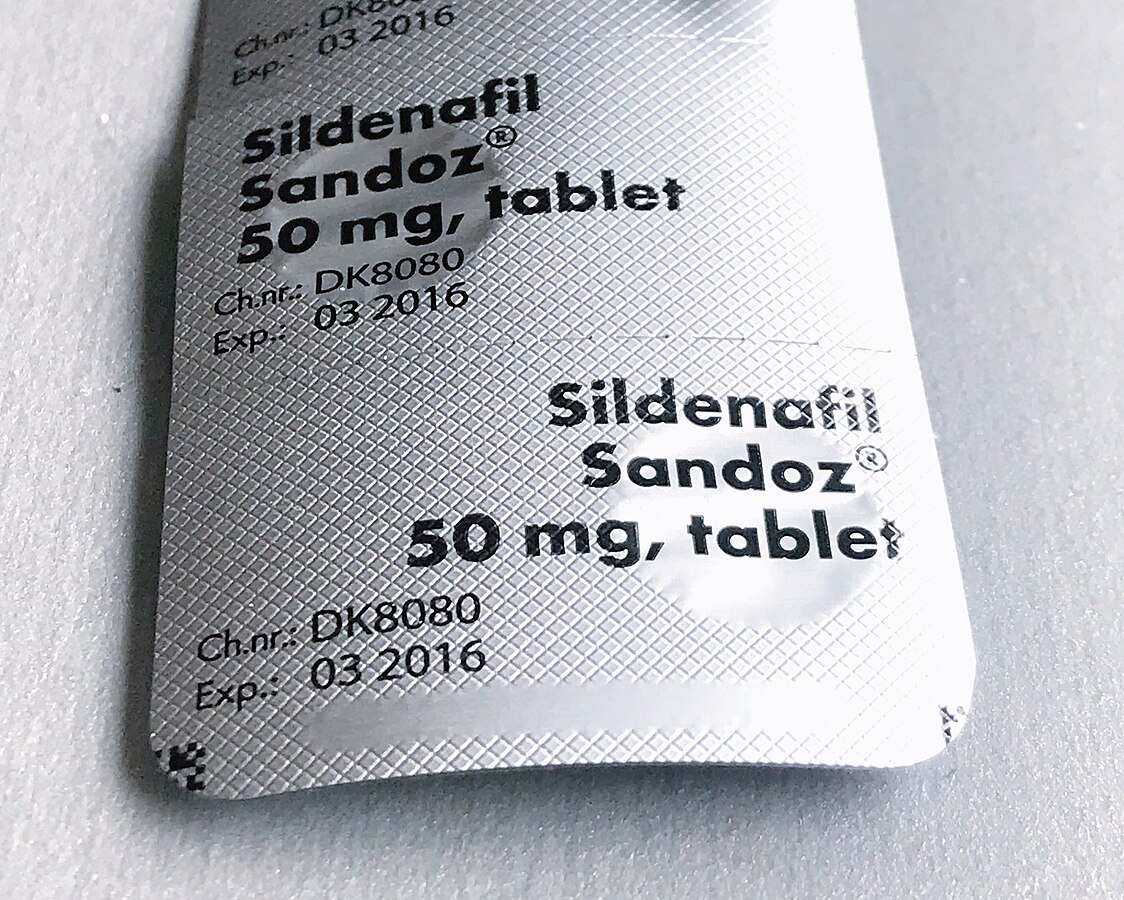
  • Absolute contraindication: The medication could cause a life-threatening situation, so it must be avoided. Examples include isotretinoin, which is contraindicated in pregnancy due to the high risk of birth defects; sildenafil, which is contraindicated with nitrates due to severe hypotension; cisapride, which is contraindicated with multiple drugs, including macrolides like erythromycin, antifungals like fluconazole, and protease inhibitors like ritonavir; and MAO inhibitors, which are contraindicated with SSRIs.

Sildenafil tablets
Sildenafil tablets
Amin
/
Wikimedia Commons
/
CC BY-SA 4.0

Pregnancy

Many medications can cause birth defects and fetal loss if used during pregnancy, especially during the first trimester. They include isotretinoin, blood pressure medications like ACE inhibitors and ARBs, antiepileptics like sodium valproate and valproic acid, phenytoin, carbamazepine, phenobarbital and topiramate, benzodiazepines, thalidomide, and warfarin. NSAIDs such as ibuprofen are also best avoided, particularly from 20 weeks onward, when they raise the risk of low amniotic fluid and early closure of the fetal ductus arteriosus. Drugs classified as FDA “Category X” are contraindicated in pregnancy because studies have demonstrated toxic effects on the fetus. The FDA has since phased out these letter categories in favor of narrative labeling under the Pregnancy and Lactation Labeling Rule, but “Category X” still appears on older labeling and reference materials.

Older adults

In older age, organs like the liver and kidneys may not function optimally. This increases the risk of adverse effects because these organs are major sites of drug metabolism and excretion. Age-related changes in body fat, water, and muscle mass can also affect how drugs are distributed in the body. The American Geriatrics Society’s Beers Criteria lists medications that are potentially inappropriate for older adults. Such medications may be OTC or prescription medications, for example antipsychotics like haloperidol and risperidone, anticholinergics like amitriptyline, imipramine, dicyclomine, and trihexyphenidyl, sleeping pills like zolpidem and zaleplon, benzodiazepines, muscle relaxants, and OTC products containing diphenhydramine (Benadryl) and chlorpheniramine. Blood thinners like aspirin and antidiabetics like glyburide and glipizide must be used with caution because the risk of adverse effects like bleeding and hypoglycemia can be very high.

Drug-drug, food, supplement & lab interactions

  • Key mechanisms: hyperkalemia (ACE inhibitors + K+/spironolactone), toxicity (digoxin + amiodarone/verapamil; theophylline + quinolones), bleeding (warfarin + macrolides/quinolones/sulfa/NSAIDs/phenytoin), myopathy (simvastatin + fluconazole/grapefruit juice)
  • Food/supplement effects: vitamin K lowers warfarin effect; tyramine + MAOIs causes hypertensive crisis; dairy/antacids reduce tetracycline/quinolone absorption; St. John’s wort + SSRIs → serotonin syndrome
  • Lab interference: high-dose biotin skews thyroid/cardiac results

Contraindications

  • Definition: drug/procedure avoided due to harm risk from disease, patient factor, or interaction
  • Relative: risk exists but usable if benefit outweighs risk, with monitoring (e.g., warfarin + aspirin, monitor INR)
  • Absolute: life-threatening, must avoid (isotretinoin + pregnancy, sildenafil + nitrates, cisapride + macrolides/antifungals/protease inhibitors, MAOIs + SSRIs)
  • Technician role: flag interactions/DUR alerts for pharmacist, don’t override or counsel

Pregnancy risks

  • Avoid isotretinoin, ACE inhibitors/ARBs, antiepileptics (valproate, phenytoin, carbamazepine, phenobarbital, topiramate), benzodiazepines, thalidomide, warfarin, NSAIDs (especially after 20 weeks)
  • FDA “Category X” = contraindicated in pregnancy; replaced by narrative Pregnancy and Lactation Labeling Rule

Older adults

  • Decline in liver/kidney function and altered body composition raise adverse effect risk
  • Beers Criteria flags inappropriate meds: antipsychotics, anticholinergics, sedative-hypnotics, benzodiazepines, muscle relaxants, OTC diphenhydramine/chlorpheniramine
  • Use cautiously: aspirin (bleeding), glyburide/glipizide (hypoglycemia)

Sign up for free to take 17 quiz questions on this topic

Previous
Next  | 1.5.1 Anti-neoplastic drugs
All rights reserved ©2016 - 2026 Achievable, Inc.

Additional information and drug contraindications

Common drug interactions

Drug-drug combination Effect
ACE inhibitors + potassium supplements Hyperkalemia
ACE inhibitors + spironolactone Hyperkalemia
Digoxin + amiodarone Digoxin toxicity
Digoxin + verapamil Bradycardia, heart block, digoxin toxicity
Theophylline + quinolones Theophylline toxicity, seizures
Warfarin + macrolides/quinolones/sulfa antibiotics Bleeding
Warfarin + NSAIDs Gastrointestinal bleeding
Warfarin + phenytoin Warfarin toxicity, phenytoin toxicity
Simvastatin + fluconazole Increased simvastatin levels; muscle toxicity (myopathy, rhabdomyolysis)
Levothyroxine + omeprazole Decreased absorption of levothyroxine
Metronidazole + alcohol Nausea, vomiting, flushing, headache

Drug-food, drug-supplement, and drug-lab interactions

Interactions aren’t limited to drug-drug pairs. Foods, dietary supplements, and even lab tests can interact with a patient’s medications:

Interaction Effect
Warfarin + vitamin K-rich foods Decreased anticoagulant effect
MAOIs + tyramine-rich foods Hypertensive crisis
Simvastatin + grapefruit juice Increased statin levels
Tetracyclines/quinolones + dairy or antacids Decreased absorption
St. John’s wort + SSRIs Serotonin syndrome

Supplements can also interfere with lab testing - high-dose biotin, for example, can skew thyroid and cardiac lab results.

Drug contraindications

A contraindication is a specific situation where a medicine, procedure, or surgery shouldn’t be used because it may harm the person.

Technician’s role: When a DUR alert or patient profile shows an interaction or contraindication - for example, a new spironolactone order against a profile that lists lisinopril, raising hyperkalemia risk - the technician flags it for the pharmacist rather than overriding the alert or counseling the patient.

A drug may be contraindicated because of:

  • An underlying disease (for example, liver or kidney failure)
  • A patient factor (for example, pregnancy or older age)
  • A severe interaction with another medication

There are two types of contraindications:

  • Relative contraindication: The medication carries a significant risk of harm, but it may still be used when the expected benefit outweighs the risk. In these cases, risk-reducing steps are used (for example, closer monitoring of drug levels or adverse effects). For example, warfarin plus aspirin raises bleeding risk, so the combination is usually avoided. When the prescriber decides the benefit outweighs the risk, it can be used with closer monitoring of INR and bleeding signs.

  • Absolute contraindication: The medication could cause a life-threatening situation, so it must be avoided. Examples include isotretinoin, which is contraindicated in pregnancy due to the high risk of birth defects; sildenafil, which is contraindicated with nitrates due to severe hypotension; cisapride, which is contraindicated with multiple drugs, including macrolides like erythromycin, antifungals like fluconazole, and protease inhibitors like ritonavir; and MAO inhibitors, which are contraindicated with SSRIs.

Pregnancy

Many medications can cause birth defects and fetal loss if used during pregnancy, especially during the first trimester. They include isotretinoin, blood pressure medications like ACE inhibitors and ARBs, antiepileptics like sodium valproate and valproic acid, phenytoin, carbamazepine, phenobarbital and topiramate, benzodiazepines, thalidomide, and warfarin. NSAIDs such as ibuprofen are also best avoided, particularly from 20 weeks onward, when they raise the risk of low amniotic fluid and early closure of the fetal ductus arteriosus. Drugs classified as FDA “Category X” are contraindicated in pregnancy because studies have demonstrated toxic effects on the fetus. The FDA has since phased out these letter categories in favor of narrative labeling under the Pregnancy and Lactation Labeling Rule, but “Category X” still appears on older labeling and reference materials.

Older adults

In older age, organs like the liver and kidneys may not function optimally. This increases the risk of adverse effects because these organs are major sites of drug metabolism and excretion. Age-related changes in body fat, water, and muscle mass can also affect how drugs are distributed in the body. The American Geriatrics Society’s Beers Criteria lists medications that are potentially inappropriate for older adults. Such medications may be OTC or prescription medications, for example antipsychotics like haloperidol and risperidone, anticholinergics like amitriptyline, imipramine, dicyclomine, and trihexyphenidyl, sleeping pills like zolpidem and zaleplon, benzodiazepines, muscle relaxants, and OTC products containing diphenhydramine (Benadryl) and chlorpheniramine. Blood thinners like aspirin and antidiabetics like glyburide and glipizide must be used with caution because the risk of adverse effects like bleeding and hypoglycemia can be very high.

Key points

Drug-drug, food, supplement & lab interactions

  • Key mechanisms: hyperkalemia (ACE inhibitors + K+/spironolactone), toxicity (digoxin + amiodarone/verapamil; theophylline + quinolones), bleeding (warfarin + macrolides/quinolones/sulfa/NSAIDs/phenytoin), myopathy (simvastatin + fluconazole/grapefruit juice)
  • Food/supplement effects: vitamin K lowers warfarin effect; tyramine + MAOIs causes hypertensive crisis; dairy/antacids reduce tetracycline/quinolone absorption; St. John’s wort + SSRIs → serotonin syndrome
  • Lab interference: high-dose biotin skews thyroid/cardiac results

Contraindications

  • Definition: drug/procedure avoided due to harm risk from disease, patient factor, or interaction
  • Relative: risk exists but usable if benefit outweighs risk, with monitoring (e.g., warfarin + aspirin, monitor INR)
  • Absolute: life-threatening, must avoid (isotretinoin + pregnancy, sildenafil + nitrates, cisapride + macrolides/antifungals/protease inhibitors, MAOIs + SSRIs)
  • Technician role: flag interactions/DUR alerts for pharmacist, don’t override or counsel

Pregnancy risks

  • Avoid isotretinoin, ACE inhibitors/ARBs, antiepileptics (valproate, phenytoin, carbamazepine, phenobarbital, topiramate), benzodiazepines, thalidomide, warfarin, NSAIDs (especially after 20 weeks)
  • FDA “Category X” = contraindicated in pregnancy; replaced by narrative Pregnancy and Lactation Labeling Rule

Older adults

  • Decline in liver/kidney function and altered body composition raise adverse effect risk
  • Beers Criteria flags inappropriate meds: antipsychotics, anticholinergics, sedative-hypnotics, benzodiazepines, muscle relaxants, OTC diphenhydramine/chlorpheniramine
  • Use cautiously: aspirin (bleeding), glyburide/glipizide (hypoglycemia)

More from Drug interactions and contraindications

  • Common and life-threatening drug interactions
  • Pharmacological drug-drug interactions
  • Pharmacokinetic drug-drug interactions
  • Other drug interactions