




Drug strengths, dose, and dosage forms
Example: Relating strength and dose
Tablets: Tylenol is available in a strength of 325 mg per tablet. If the ordered dose is 650 mg, how many tablets are needed?
Liquid: A prescription reads: amoxicillin 400 mg/5 mL oral suspension, Sig: 5 mL by mouth twice daily (b.i.d.) for 10 days. How much drug is in each dose, and how much suspension should be dispensed?
- Each dose is 5 mL, so
- “b.i.d.” means twice daily, so
- Total volume:
Answer: 2 tablets per 650 mg dose; 400 mg (5 mL) per dose of the suspension, and 100 mL total to dispense for the 10-day course
Based on their physical form, drugs can be classified as solids, semisolids, liquids, and gases.
Types of solid drug forms
-
Tablets: Solid dosage forms containing the active drug with or without excipients. Excipients are substances other than the active drug and may include binders, fillers, preservatives, emulsifiers, and solvents. Tablets come in different forms:
- Chewable tablets are chewed before swallowing.
- Oral disintegrating tablets (ODTs) dissolve in the mouth.
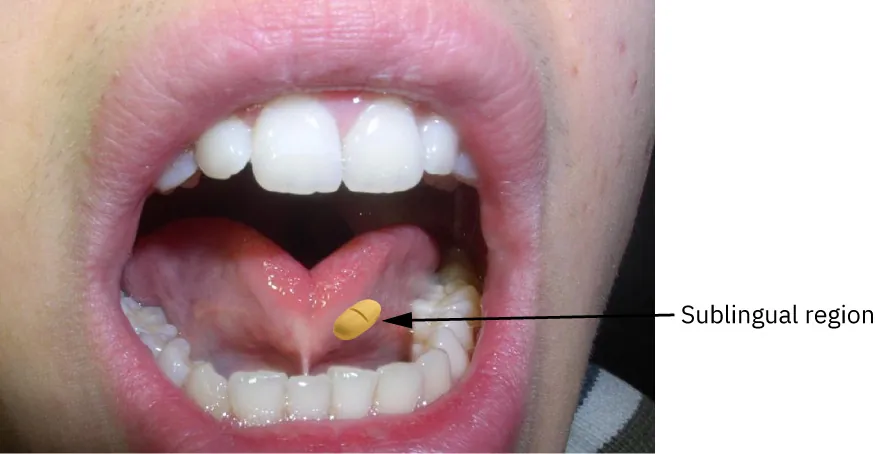
- Sublingual tablets (e.g., sublingual nitroglycerine) dissolve rapidly when kept under the tongue and are useful when rapid action is required (e.g., relieving an acute angina attack).
- Effervescent tablets dissolve quickly in liquids like water (e.g., Alka-Seltzer tablets).
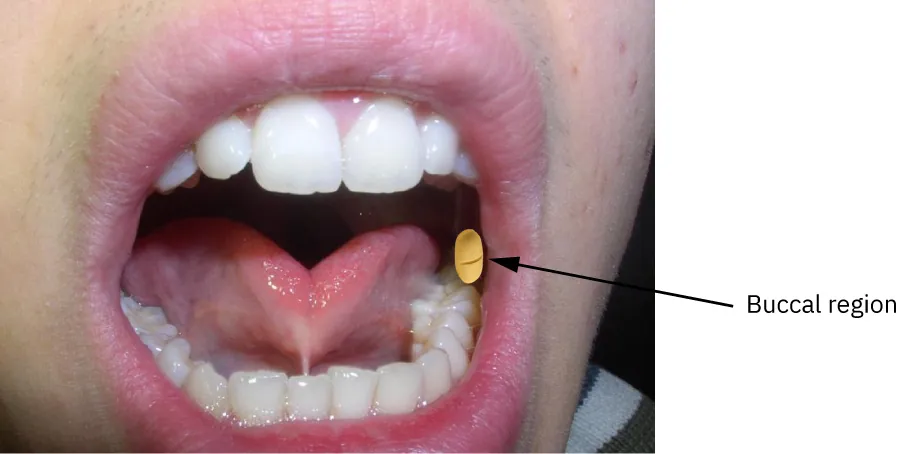
- Buccal tablets are kept on the inside of the cheek.
-
Pills: Small, round, or oval solid dosage forms that contain active drug with excipients; the term is often used interchangeably with “tablets,” though pills are traditionally molded rather than compression-formed.
-
Capsules: Solid dosage forms in which the drug(s) are enclosed within a shell made of gelatin or other substances. Capsules may be:
- Hard or soft gelatin capsules
- Modified-release capsules, where the release rate of the active ingredient is altered
- Enteric capsules, which release the active ingredient in the intestine
- Sprinkle capsules, which contain small granules inside the capsule shell; the capsule may be swallowed whole or opened so the pellets can be mixed with food or beverages and swallowed
-
Caplets: Capsule-shaped tablets, often film-coated, that are easier to swallow than round tablets.
-
Gelcaps: Soft gelatin forms that contain the active drug in solid or liquid form, distinguished from caplets by their soft outer gelatin shell rather than a solid tablet core. They are absorbed more quickly and are often easier to swallow. Some pain medications, such as Tylenol, are available in gelcaps.
-
Powders: Finely divided particles in micron sizes.
-
Granules: Aggregates of powders.
-
Lozenges: Flat tablets made of edible gum and sugar, used to medicate the mouth and throat.
-
Pastilles: Hard, jelly-like forms that contain glycerin and gelatin.
Types of semi-solid drug forms
- Cream: Creams contain more than 20% water or volatile components and typically less than 50% hydrocarbons, waxes, or polyols as vehicles.
- Ointment: Semisolid preparations used topically for protective emollient effects or as a vehicle for local medication administration. Their bases are mixtures of fats, waxes, animal and plant oils, and solid and liquid hydrocarbons.
- Paste: A stiff semisolid with a large proportion (often 20-50%) of finely powdered solids dispersed in a fatty base. The high solid content is what makes a paste stiffer than an ointment.
- Gel: Semi-solid dosage forms with a hydrophilic (water-attracting) or hydrophobic (water-repelling) base mixed with a gelling agent.
- Suppository: A dosage form inserted into a body opening (rectum, vagina, or urethra) that melts or dissolves at body temperature. It can act locally or be absorbed into the bloodstream for a systemic effect (e.g., acetaminophen or promethazine suppositories).
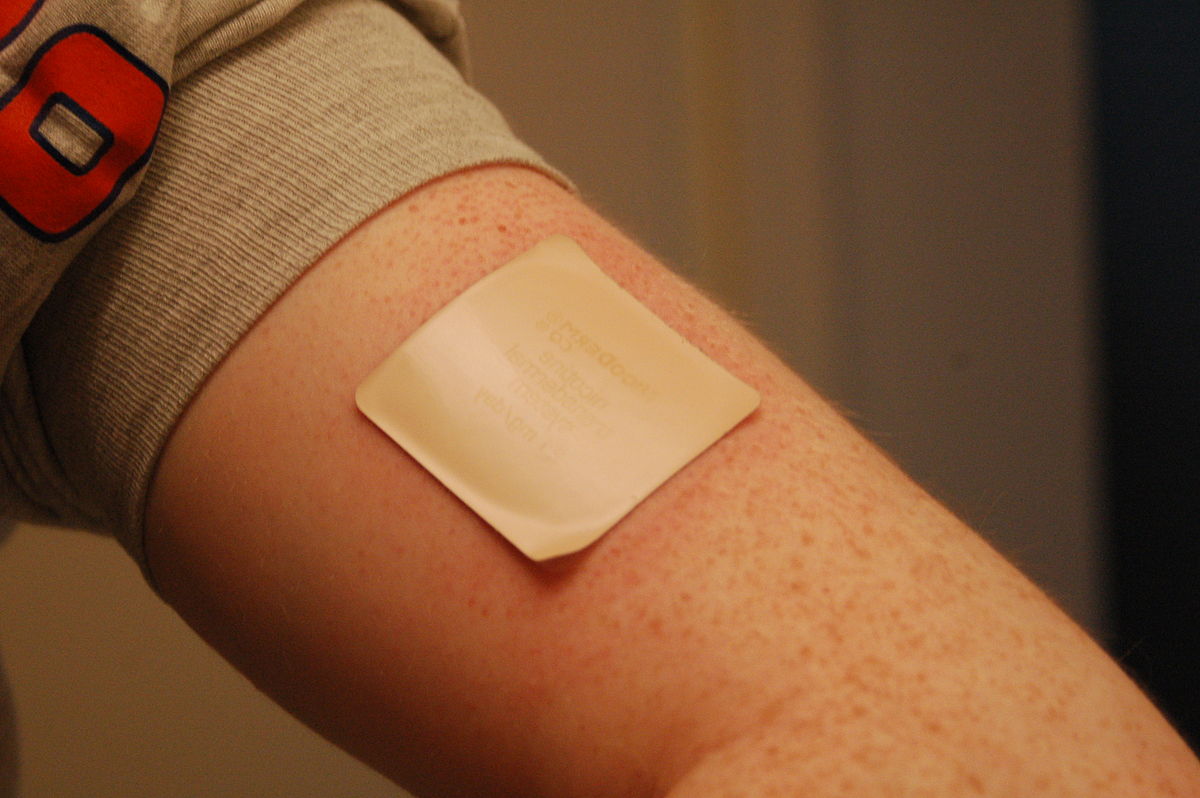
- Patch: Also called transdermal patches. These are adhesive, medicated patches applied to the skin that allow medication to be absorbed through the skin into the bloodstream.
- Poultice: Also called a cataplasm. A soft, moist mass that is often heated and medicated, spread on a cloth, and applied over the skin to treat an aching, inflamed, or painful body part.
Types of liquid drug forms
- Syrup: A thick, sweet liquid used as a carrier for drugs or as a flavoring agent.
- Elixir: Clear liquid dosage forms containing sugar, water, and alcohol.
- Solution: A clear liquid preparation used for internal or external applications.
- Emulsion: A biphasic liquid dosage form - meaning it contains two liquids that don’t normally mix (like oil and water) - combined with the help of an emulsifier (e.g., an oil-in-water emulsion).
- Suspension: Biphasic liquid forms in which fine solid particles are suspended in a liquid medium.
- Lotion: A low- to medium-viscosity liquid dosage form applied to the skin.
- Enema: A liquid dosage form inserted rectally.
- Liniment: A liquid dosage form containing a mixture of oil, alcohol, soap, etc., that is rubbed into the skin.
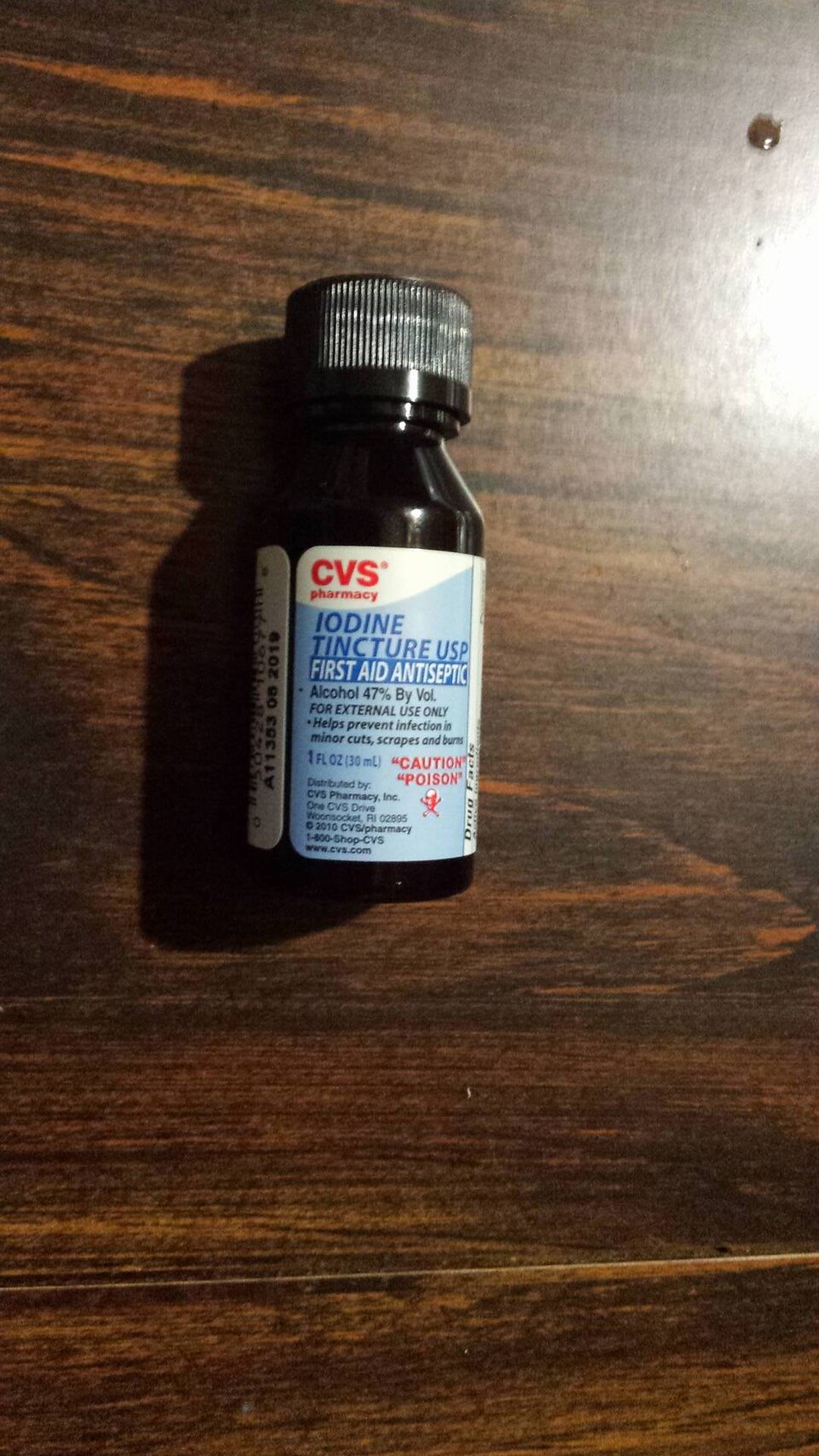
- Tincture: A solution of medication in alcohol (e.g., tincture iodine).
Types of gaseous drug forms
- Aerosols: Suspensions of fine solid or liquid particles in gas. They are used to apply drugs to the respiratory tract. The mixture is stored in a container under high pressure and released as a fine mist.
- Sprays: A type of aerosol in which the medication is applied as a wet spray (e.g., nasal sprays).
- Gases: Inhaled for anesthesia (e.g., nitrous oxide) or for other purposes (e.g., oxygen).
The next chapter, Routes of administration and special handling of drugs, covers how each of these dosage forms is actually given into the body and the special handling instructions that go along with it.