


Achievable logoAchievable logo
CCMA
Sign in
Sign up
Purchase
Textbook
Practice exams
Support
How it works
Exam catalog
Mountain with a flag at the peak
Textbook
1. Medical assistant
2. Electronic records
3. Medical terminology and anatomy
4. The fundamentals of infection control
5. Introduction to vital signs
6. The patient interview and history
7. The physical examination
8. Appointment scheduling
9. Insurance billing
10. Diagnostic coding and the ICD-10-CM System
11. Procedural coding
12. Medical billing and reimbursement essentials
13. Assisting with medical specialties
14. Assisting with the musculoskeletal system
15. Assisting with the cardiovascular system
16. Assisting with the respiratory system
17. Assisting with the nervous system
18. Anatomy and physiology of the urinary system
19. Assisting in obstetrics and gynecology
20. Assisting in endocrinology
21. Assisting in ophthalmology & otolaryngology
22. Assisting in gastroenterology
23. Assisting in the immune & lymphatic systems
24. Assisting in pediatrics: the developmental stages and care
25. The medical assistant’s role in caring for the older patient
26. The role of the medical assistant in physical therapy examination and assessment
27. Preparing for minor surgery: room, solutions, and supplies
28. Introduction to the clinical laboratory
29. Urinalysis
29.1 Urine formation and specimen collection
29.2 Physical examination of urine
29.3 Chemical examination of urine
29.4 Additional CLIA-waived urine tests
29.5 Microscopic preparation of urine and cellular findings
29.6 Urine toxicology, legal issues, and professional practice
30. Blood collection
31. Analysis of blood
32. Electrocardiography and heart structure
33. The principles of pharmacology
34. Essential calculations and measurement systems
35. Solid, liquid, & solutions medication doses
36. Administering medications
37. Metabolism and core nutrient roles
38. Medical emergencies in the healthcare setting
Achievable logoAchievable logo
29.6 Urine toxicology, legal issues, and professional practice
Achievable CCMA
29. Urinalysis
Our CCMA course is currently in development and is a work-in-progress.

Urine toxicology, legal issues, and professional practice

8 min read
Font
Discuss
Share
Feedback

Urine toxicology

Toxicology is the study of poisonous substances and drugs and their effects on the body. The clinical laboratory performs tests on body fluids and tissues to monitor the use of therapeutic drugs, such as antibiotics, anticonvulsants, antidepressants, and barbiturates. They may also test for poisoning by herbicides, metals, animal toxins, and poisonous gases (e.g., carbon monoxide).

Laboratory testing for illegal drugs or alcohol is also done, most commonly due to employment, insurance, or legal requirements. A urine specimen is the most reliable choice for most routine screening procedures. Urine drug tests detect drug metabolites and not the drugs themselves. A metabolite is a by-product of drug metabolism. Urine samples will remain positive even after the effects of the drugs are gone. For routine screening, a random specimen is usually collected.

Often, the following safeguards are used to ensure that a specimen is fresh and is truly from the patient:

  • Water may be temporarily unavailable in the restroom.
  • Bluing agents may be added to the toilets.
  • A sealed container with a temperature-sensitive strip may be provided for collection.
  • Someone of the same gender may accompany the patient into the restroom during the collection.

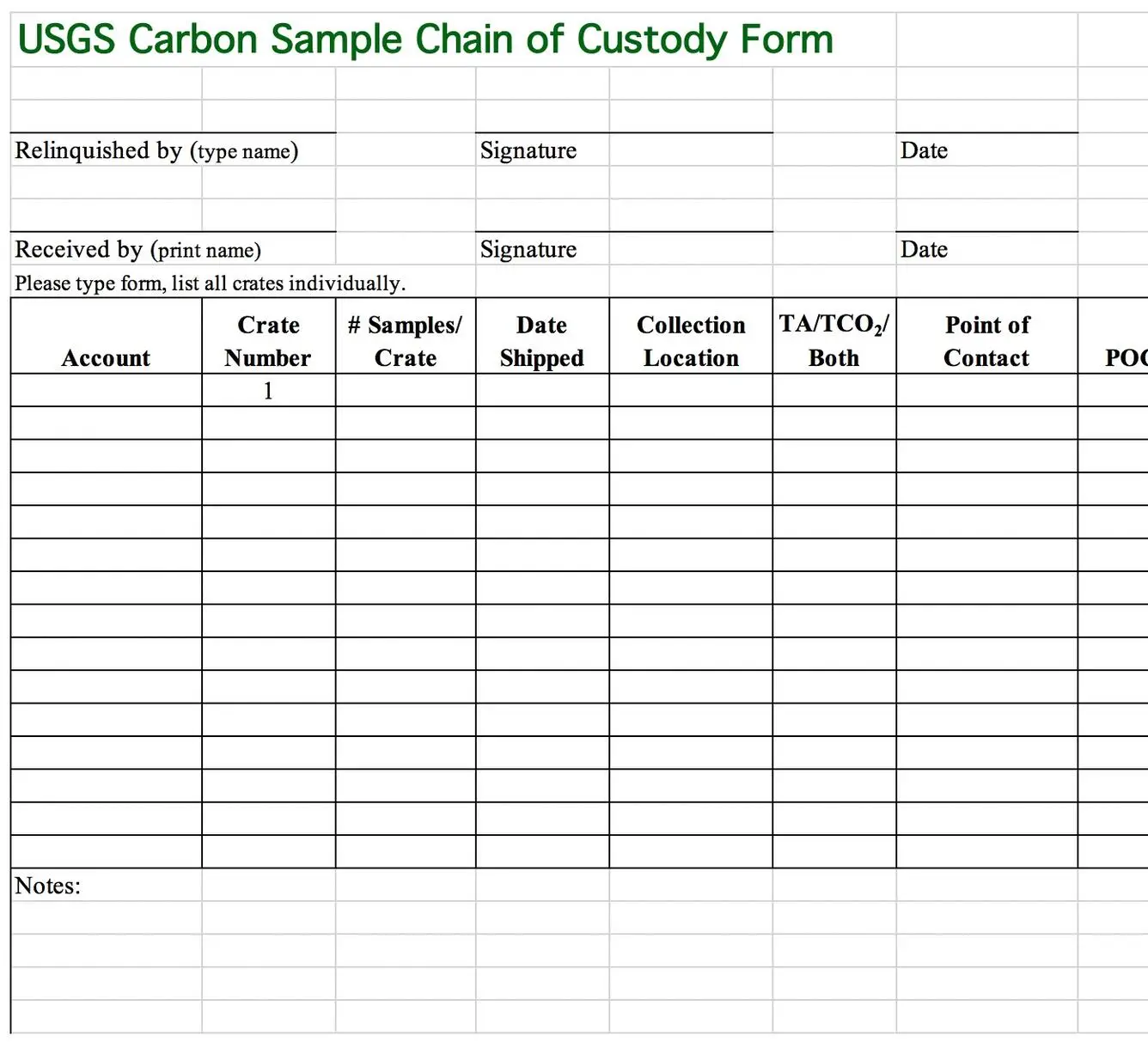
The chain of custody protocol is required for any legal specimen. This means that everyone handling the specimen must document their interaction with the sample. The drugs and their metabolites often remain in urine much longer than the physical impairment lasts. This is one reason urine screening is favored over blood screening.

As a medical assistant, you may be responsible for collecting specimens for toxicology tests and for performing certain laboratory tests. Rapid drug screening devices are about the size and shape of a credit card. The device is dipped into a urine sample, or urine is directly applied to the device. The results are read according to the manufacturer’s instructions in just minutes. Negative results indicate that none of the targeted drugs were found in the urine sample at a detectable level. Inconclusive results indicate that the device reacted with something in the urine, and confirmatory testing is needed.

Urine multidrug screening tests are a type of lateral flow immunoassay that tests for urine metabolites of a variety of drugs. Common drugs tested include amphetamines, barbiturates, benzodiazepines, cocaine, morphine, methadone, phencyclidine (PCP), tricyclic antidepressants, marijuana, Ecstasy, methamphetamines, methadone, oxycodone, and opiates. This type of testing is also an immunoassay in which antibodies and antigens react to form a readable test result. By using antibodies specific to different drug classes, some test cartridges can simultaneously detect up to 10 different drugs from a single sample in 5 minutes.

Note: Unlike the lateral flow tests for pregnancy, ovulation, and menopause, the appearance of a line in the T band during a drug screening test indicates a negative result.

Adulteration testing and chain of custody

Drug testing has legal consequences; therefore additional testing may be necessary to ensure that samples have not been adulterated. Adulteration is the intentional manipulation of a urine sample that allows someone to falsely pass a drug screening test. It may involve using urine from another person or an animal, diluting the sample with water, or adding other substances that would compromise the test procedure.

Sensitivity limits for drug screening are set by the US Substance Abuse and Mental Health Services Administration (SAMHSA), the National Institute on Drug Abuse (NIDA), and the US Department of Health and Human Services (DHHS). Positive results on urine drug samples should be confirmed with more specific confirmatory testing methods.

Chain of custody rules

  1. The individual being tested must provide photo identification.

  2. Indirect observation of specimen collection is important to make sure the patient being tested has provided the sample. Indirect methods of observation include the following:

    1. Measuring the specimen’s temperature

    2. Securing water faucets in the restroom so that urine cannot be diluted

    3. Having the patient remove outer clothing and leave personal belongings in the examination room

    4. Not allowing water to be run or the toilet to be flushed in the restroom during the collection

      Note: If you suspect the sample has been adulterated, the patient may be asked to provide another specimen.

  3. Within 4 minutes of receiving the specimen, check its temperature (the range should be 32° to 38°C [90° to 100°F]). The sample volume should be a minimum of 30 to 45 mL. Inspect the sample for any indications of adulteration (e.g., an unusual color, the presence of foreign materials).

  4. Pour the specimen into a specimen bottle and seal the lid with the tamper-evident label/seal provided at the bottom of the chain of custody form. The donor should be present when this is done and should see you write the date and your initials on the label.

  5. Ship the specimen to the testing laboratory as soon as possible. It must be sent the same day it was collected.

  6. Individual testing method results may vary. Some tests have lower limits of detection, which can make some results positive at lower substance levels. Also, a person’s diet, the volume of urine flow, and recent fluid intake can affect some results.

  7. Because of the legal implications of drug testing, chain of custody must be strictly followed. Each step—from collecting the specimen to reporting the test results—must be strictly monitored and documented. Requirements include sealed specimen containers, supervised laboratory analysis throughout the process, and authorized signatures at each step.

Patient coaching

Frequently, medical assistants are called on to explain specimen collection techniques to the patient. Patients want to do the procedure correctly but often lack knowledge of urinary terminology. They may be embarrassed or not know how to ask questions about cleaning the genital area. When explaining a urinary collection procedure, you should use pictures and words that the patient will understand. As you explain the procedure in terms the patient knows, he or she will feel comfortable telling you or asking you about pertinent details that may have a definite effect on treatment of the problem. Providing the patient with a clearly written instruction sheet also is helpful. The instruction sheet should be personalized with the patient’s name, the time to begin collecting or testing (if applicable), what supplies should be used, and a phone number to call if questions arise.

Legal and ethical issues

Similar to all other procedures, the test is only as valid as the specimen and the procedure performed on that specimen. You, as the provider’s agent, are responsible for that validity when you instruct the patient and perform the test.

A medical assistant responsible for office laboratory testing must clearly understand the basic concepts of laboratory medicine. Therefore, you must stay current with the rapid technologic advances in laboratory medicine and help establish a protocol of the tests best suited to your provider-employer.

You are responsible for properly collecting specimens and testing them accurately. In addition, you are responsible for strictly adhering to protocol when collecting and testing specimens, especially when legal ramifications are associated with the test results. Patient confidentiality is paramount when drug testing is performed, as is rigid conformation to all established rules and regulations.

Patient-centered care

Urine testing is frequently done in an ambulatory care setting. Knowing laboratory procedures helps medical assistants to ask informed and useful questions of their patients. Vitamin C can affect urine reagent strip testing, so asking a patient if he or she takes a vitamin C supplement is useful for obtaining correct testing results. If a person consumes large amounts of vitamin C, a special strip can be used to detect interfering levels of vitamin C. If an elevated level is found, the patient should be instructed to discontinue vitamin C intake for 24 hours, and then another urine specimen should be collected for testing.

Professional behaviors

A laboratory professional performing urinalysis should have the following attributes:

  • A discreet, respectful attitude when communicating with patients, co-workers, and supervisors.
  • The ability to show sensitivity to patients’ concerns and reassure patients of the accuracy of tests result. When reassuring a patient, the medical assistant should listen to the patient’s concerns and demonstrate therapeutic communication skills, respect, and empathy. Sometimes reassuring a patient involves educating the patient on the topic of concern. Increased understanding can help alleviate the patient’s fears and calm the person.
  • Good eyesight and manual dexterity.
  • Accountability, honesty, and integrity when unsure of any procedure.
  • Ability to multitask, manage his or her time, pay attention to details, and problem-solve if test results are unexpected.
Chain of custody form used for specimen tracking
Chain of custody form
USGS
/
Public Domain

Urine toxicology

  • Detects drug metabolites in urine, not drugs themselves
  • Urine preferred for routine screening; random specimens commonly collected
  • Safeguards: water restrictions, bluing agents, temperature-sensitive containers, observed collection
  • Chain of custody protocol required for legal specimens
  • Rapid drug screening devices: lateral flow immunoassays, results in minutes
    • Negative: no targeted drugs detected
    • Inconclusive: confirmatory testing needed
  • Common drugs screened: amphetamines, barbiturates, benzodiazepines, cocaine, morphine, PCP, marijuana, opiates, etc.
  • Test line (T band) indicates negative result (unlike pregnancy tests)

Adulteration testing and chain of custody

  • Adulteration: intentional manipulation of urine sample to falsify results
    • Methods: substitution, dilution, adding substances
  • Sensitivity limits set by SAMHSA, NIDA, DHHS
  • Positive results require confirmatory testing
  • Chain of custody steps:
    • Photo ID required
    • Indirect observation (temperature, restricted water, clothing removal)
    • Check temperature (32°–38°C) and volume (30–45 mL) within 4 minutes
    • Seal specimen with tamper-evident label, donor observes labeling
    • Ship specimen same day
    • Strict documentation and supervision at every step

Patient coaching

  • Use simple language and visuals to explain collection procedures
  • Provide personalized written instructions (name, timing, supplies, contact info)
  • Encourage questions and clarify terminology to reduce embarrassment

Legal and ethical issues

  • Validity depends on proper specimen collection and procedure
  • Medical assistants must stay current with laboratory advances and protocols
  • Strict adherence to protocol and confidentiality is essential, especially for legal cases

Patient-centered care

  • Ask about vitamin C intake; it can interfere with urine tests
    • Use special strips or advise discontinuing vitamin C before retesting
  • Knowledge of procedures enables better patient communication and care

Professional behaviors

  • Discreet, respectful communication with patients and staff
  • Sensitivity, empathy, and reassurance to patient concerns
  • Good eyesight, manual dexterity, attention to detail
  • Accountability, honesty, integrity, multitasking, and problem-solving skills

Sign up for free to take 14 quiz questions on this topic

Previous
Next  | 30.1 Phlebotomy procedures
All rights reserved ©2016 - 2026 Achievable, Inc.

Urine toxicology, legal issues, and professional practice

Urine toxicology

Toxicology is the study of poisonous substances and drugs and their effects on the body. The clinical laboratory performs tests on body fluids and tissues to monitor the use of therapeutic drugs, such as antibiotics, anticonvulsants, antidepressants, and barbiturates. They may also test for poisoning by herbicides, metals, animal toxins, and poisonous gases (e.g., carbon monoxide).

Laboratory testing for illegal drugs or alcohol is also done, most commonly due to employment, insurance, or legal requirements. A urine specimen is the most reliable choice for most routine screening procedures. Urine drug tests detect drug metabolites and not the drugs themselves. A metabolite is a by-product of drug metabolism. Urine samples will remain positive even after the effects of the drugs are gone. For routine screening, a random specimen is usually collected.

Often, the following safeguards are used to ensure that a specimen is fresh and is truly from the patient:

  • Water may be temporarily unavailable in the restroom.
  • Bluing agents may be added to the toilets.
  • A sealed container with a temperature-sensitive strip may be provided for collection.
  • Someone of the same gender may accompany the patient into the restroom during the collection.

The chain of custody protocol is required for any legal specimen. This means that everyone handling the specimen must document their interaction with the sample. The drugs and their metabolites often remain in urine much longer than the physical impairment lasts. This is one reason urine screening is favored over blood screening.

As a medical assistant, you may be responsible for collecting specimens for toxicology tests and for performing certain laboratory tests. Rapid drug screening devices are about the size and shape of a credit card. The device is dipped into a urine sample, or urine is directly applied to the device. The results are read according to the manufacturer’s instructions in just minutes. Negative results indicate that none of the targeted drugs were found in the urine sample at a detectable level. Inconclusive results indicate that the device reacted with something in the urine, and confirmatory testing is needed.

Urine multidrug screening tests are a type of lateral flow immunoassay that tests for urine metabolites of a variety of drugs. Common drugs tested include amphetamines, barbiturates, benzodiazepines, cocaine, morphine, methadone, phencyclidine (PCP), tricyclic antidepressants, marijuana, Ecstasy, methamphetamines, methadone, oxycodone, and opiates. This type of testing is also an immunoassay in which antibodies and antigens react to form a readable test result. By using antibodies specific to different drug classes, some test cartridges can simultaneously detect up to 10 different drugs from a single sample in 5 minutes.

Note: Unlike the lateral flow tests for pregnancy, ovulation, and menopause, the appearance of a line in the T band during a drug screening test indicates a negative result.

Adulteration testing and chain of custody

Drug testing has legal consequences; therefore additional testing may be necessary to ensure that samples have not been adulterated. Adulteration is the intentional manipulation of a urine sample that allows someone to falsely pass a drug screening test. It may involve using urine from another person or an animal, diluting the sample with water, or adding other substances that would compromise the test procedure.

Sensitivity limits for drug screening are set by the US Substance Abuse and Mental Health Services Administration (SAMHSA), the National Institute on Drug Abuse (NIDA), and the US Department of Health and Human Services (DHHS). Positive results on urine drug samples should be confirmed with more specific confirmatory testing methods.

Chain of custody rules

  1. The individual being tested must provide photo identification.

  2. Indirect observation of specimen collection is important to make sure the patient being tested has provided the sample. Indirect methods of observation include the following:

    1. Measuring the specimen’s temperature

    2. Securing water faucets in the restroom so that urine cannot be diluted

    3. Having the patient remove outer clothing and leave personal belongings in the examination room

    4. Not allowing water to be run or the toilet to be flushed in the restroom during the collection

      Note: If you suspect the sample has been adulterated, the patient may be asked to provide another specimen.

  3. Within 4 minutes of receiving the specimen, check its temperature (the range should be 32° to 38°C [90° to 100°F]). The sample volume should be a minimum of 30 to 45 mL. Inspect the sample for any indications of adulteration (e.g., an unusual color, the presence of foreign materials).

  4. Pour the specimen into a specimen bottle and seal the lid with the tamper-evident label/seal provided at the bottom of the chain of custody form. The donor should be present when this is done and should see you write the date and your initials on the label.

  5. Ship the specimen to the testing laboratory as soon as possible. It must be sent the same day it was collected.

  6. Individual testing method results may vary. Some tests have lower limits of detection, which can make some results positive at lower substance levels. Also, a person’s diet, the volume of urine flow, and recent fluid intake can affect some results.

  7. Because of the legal implications of drug testing, chain of custody must be strictly followed. Each step—from collecting the specimen to reporting the test results—must be strictly monitored and documented. Requirements include sealed specimen containers, supervised laboratory analysis throughout the process, and authorized signatures at each step.

Patient coaching

Frequently, medical assistants are called on to explain specimen collection techniques to the patient. Patients want to do the procedure correctly but often lack knowledge of urinary terminology. They may be embarrassed or not know how to ask questions about cleaning the genital area. When explaining a urinary collection procedure, you should use pictures and words that the patient will understand. As you explain the procedure in terms the patient knows, he or she will feel comfortable telling you or asking you about pertinent details that may have a definite effect on treatment of the problem. Providing the patient with a clearly written instruction sheet also is helpful. The instruction sheet should be personalized with the patient’s name, the time to begin collecting or testing (if applicable), what supplies should be used, and a phone number to call if questions arise.

Legal and ethical issues

Similar to all other procedures, the test is only as valid as the specimen and the procedure performed on that specimen. You, as the provider’s agent, are responsible for that validity when you instruct the patient and perform the test.

A medical assistant responsible for office laboratory testing must clearly understand the basic concepts of laboratory medicine. Therefore, you must stay current with the rapid technologic advances in laboratory medicine and help establish a protocol of the tests best suited to your provider-employer.

You are responsible for properly collecting specimens and testing them accurately. In addition, you are responsible for strictly adhering to protocol when collecting and testing specimens, especially when legal ramifications are associated with the test results. Patient confidentiality is paramount when drug testing is performed, as is rigid conformation to all established rules and regulations.

Patient-centered care

Urine testing is frequently done in an ambulatory care setting. Knowing laboratory procedures helps medical assistants to ask informed and useful questions of their patients. Vitamin C can affect urine reagent strip testing, so asking a patient if he or she takes a vitamin C supplement is useful for obtaining correct testing results. If a person consumes large amounts of vitamin C, a special strip can be used to detect interfering levels of vitamin C. If an elevated level is found, the patient should be instructed to discontinue vitamin C intake for 24 hours, and then another urine specimen should be collected for testing.

Professional behaviors

A laboratory professional performing urinalysis should have the following attributes:

  • A discreet, respectful attitude when communicating with patients, co-workers, and supervisors.
  • The ability to show sensitivity to patients’ concerns and reassure patients of the accuracy of tests result. When reassuring a patient, the medical assistant should listen to the patient’s concerns and demonstrate therapeutic communication skills, respect, and empathy. Sometimes reassuring a patient involves educating the patient on the topic of concern. Increased understanding can help alleviate the patient’s fears and calm the person.
  • Good eyesight and manual dexterity.
  • Accountability, honesty, and integrity when unsure of any procedure.
  • Ability to multitask, manage his or her time, pay attention to details, and problem-solve if test results are unexpected.
Key points

Urine toxicology

  • Detects drug metabolites in urine, not drugs themselves
  • Urine preferred for routine screening; random specimens commonly collected
  • Safeguards: water restrictions, bluing agents, temperature-sensitive containers, observed collection
  • Chain of custody protocol required for legal specimens
  • Rapid drug screening devices: lateral flow immunoassays, results in minutes
    • Negative: no targeted drugs detected
    • Inconclusive: confirmatory testing needed
  • Common drugs screened: amphetamines, barbiturates, benzodiazepines, cocaine, morphine, PCP, marijuana, opiates, etc.
  • Test line (T band) indicates negative result (unlike pregnancy tests)

Adulteration testing and chain of custody

  • Adulteration: intentional manipulation of urine sample to falsify results
    • Methods: substitution, dilution, adding substances
  • Sensitivity limits set by SAMHSA, NIDA, DHHS
  • Positive results require confirmatory testing
  • Chain of custody steps:
    • Photo ID required
    • Indirect observation (temperature, restricted water, clothing removal)
    • Check temperature (32°–38°C) and volume (30–45 mL) within 4 minutes
    • Seal specimen with tamper-evident label, donor observes labeling
    • Ship specimen same day
    • Strict documentation and supervision at every step

Patient coaching

  • Use simple language and visuals to explain collection procedures
  • Provide personalized written instructions (name, timing, supplies, contact info)
  • Encourage questions and clarify terminology to reduce embarrassment

Legal and ethical issues

  • Validity depends on proper specimen collection and procedure
  • Medical assistants must stay current with laboratory advances and protocols
  • Strict adherence to protocol and confidentiality is essential, especially for legal cases

Patient-centered care

  • Ask about vitamin C intake; it can interfere with urine tests
    • Use special strips or advise discontinuing vitamin C before retesting
  • Knowledge of procedures enables better patient communication and care

Professional behaviors

  • Discreet, respectful communication with patients and staff
  • Sensitivity, empathy, and reassurance to patient concerns
  • Good eyesight, manual dexterity, attention to detail
  • Accountability, honesty, integrity, multitasking, and problem-solving skills

More from Urinalysis

  • Urine formation and specimen collection
  • Physical examination of urine
  • Chemical examination of urine
  • Additional CLIA-waived urine tests
  • Microscopic preparation of urine and cellular findings