



Orthostatic vital signs and anthropometric measurements
Orthostatic vital signs
Orthostatic vital signs: Blood pressure and heart rate are obtained as the patient reclines, sits, and stands. In many cases, the blood pressure drops, and the heart rate increases. Hypotension, or low blood pressure, is typically defined as results of less than 90mmHg systolic and 60 mmHg diastolic. Although slight low blood pressure may be normal, severe hypotension may be present due to conditions such as shock, heart failure, severe burns, and excessive bleeding. In some cases, hypotension may occur from severe dehydration caused by vomiting, diarrhea, or fever, or from heart disease, diabetes, medications, prolonged bed rest, or a nervous system disorder. When certain conditions are suspected or low blood pressure with dizziness and fainting are a problem, orthostatic or postural vital signs will be measured.
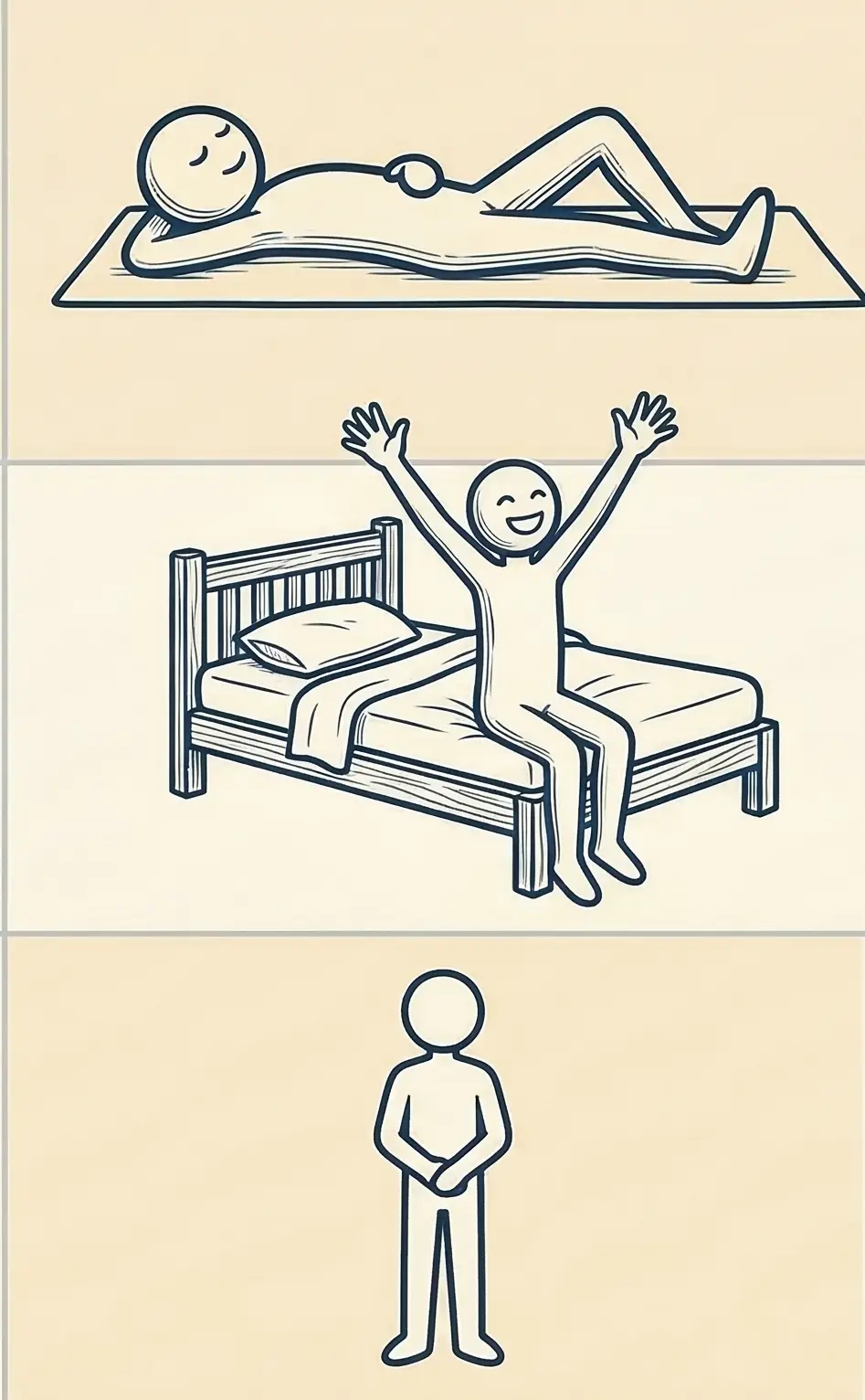
To check for orthostatic, or postural, hypotension, the blood pressure and heart rate are measured when the patient moves from a lying to a standing position. Orthostatic vital signs are taken in two or three different positions:
- Lying position
- Sitting position
- Standing position
The recommended interval between checking the blood pressure in the various positions is 1 to 3 minutes. Do not allow the patient’s arm to hang down while taking the blood pressure because this could cause a false blood pressure increase. Instead, rest the patient’s armon the bed or table. Watch the patient carefully because the patient is at increased risk for lightheadedness, dizziness, and passing out during position changes. If there is an increase in the pulse rate of more than 10 bpm and a drop in systolic blood pressure of > 20 mmHg or in diastolic pressure of >10 mmHg, this is sometimes documented as a positive tilt test. The steps below provide an example of how to measure orthostatic vital signs.
- Have the patient lie down for 5 minutes.
- Measure and record the blood pressure and pulse rate.
- Have the patient sit.
- Measure and record the blood pressure and pulse rate at 1 and 3 minutes. Note: Sometimes the sitting step is eliminated.
- Have the patient stand.
- Measure and record the blood pressure and pulse rate at 1 and 3 minutes.
- Document the results in the chart including any associated symptoms the patient may have had.
Anthropometric measurements
Anthropometric body measurements
Anthropometry is the science that deals with the measurement of the size, weight, and proportions of the human body. These measurements often are included in the initial recording of vital signs and before the provider performs a physical examination or a well-baby check. Because they are indicators of the patient’s state of health and well-being, height and weight measurements and the associated body mass index are discussed as aspects of the vital signs, and are considered to be Anthropometric measurements.
Measuring weight
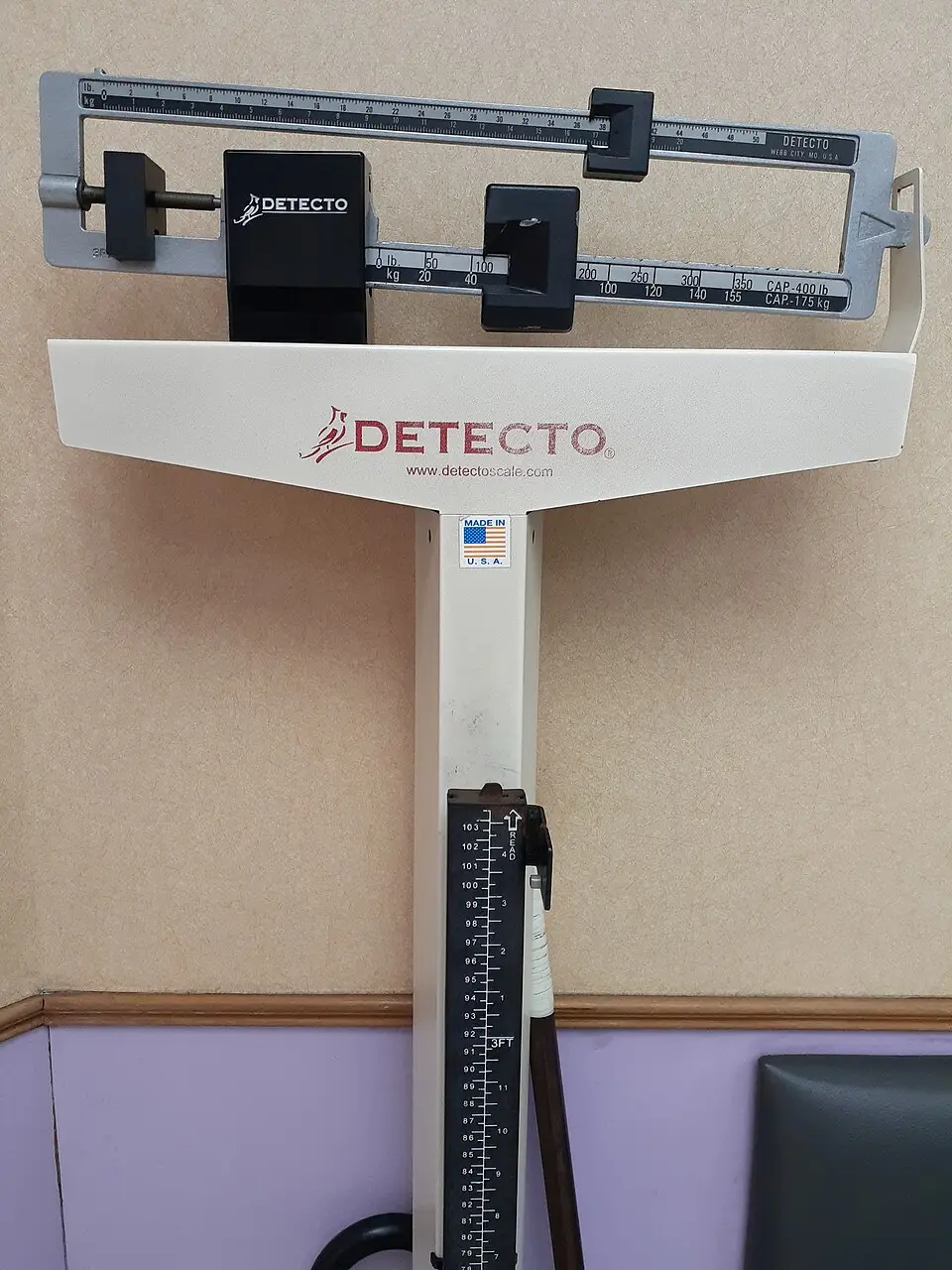
A patient’s weight and height can be helpful in diagnosis, and the medical assistant must obtain these readings with accuracy and empathy. In many healthcare facilities, weight and height are measured routinely as the patient is taken to the examination room. To safeguard patient confidentiality, the scale should be located in a private area where other people cannot see the patient’s weight. Safeguard the patient’s confidentiality by not repeating the measurement out loud. Others nearby might hear this private patient information. If this is the patient’s first visit, anthropometric measurements are recorded in the history database and used as reference information during future visits as needed.
Weight can be a sensitive issue for many patients. Maintain a professional attitude when obtaining a patient’s weight. Make sure heavy items are removed from pockets and that the patient is not holding a purse. Shoes should also be removed. If patients have difficulty with balance or stability, assist them onto the scale and help them balance themselves. A scale with built-in handrails is ideal for patients who are unable to maintain their balance. If the facility does not have this type of scale, a walker can be placed over the scale for the patient to use as hand support when getting on or off or maintaining balance while on the scale.
If the provider prescribes weight measurement at home, make sure the patient understands the importance of getting weighed at the same time each day in clothing of similar weight. Body weight may vary considerably from early morning to late afternoon, so it is usually best if the patient is weighed in the morning. If it is important for the patient to be weighed each day, be sure you remind the patient to document each weight and notify the clinic, as directed, if there are major shifts.
Certain medical specialties and specific medical problems may require continuous monitoring of weight. Hormone disorders (e.g., diabetes), growth patterns (seen in children), and eating disorders (e.g., obesity, bulimia) require accurate weight checks as part of every medical visit. In addition, pregnant patients must have their weight monitored to make sure they are gaining weight, but also as a precaution against too much weight gain, which may indicate fluid retention. Patients with cardiovascular disorders who tend to retain fluid should have their weight checked each time they are seen in the office. Many healthcare facilities document weight in kilograms, but most Americans understand the pound measurements better. When weight must be converted from one to the other, you can use formulas or an online-conversion calculator. EHR systems do the conversion automatically.
Weight conversion formulas
| Conversion Type | Formula | Example |
| Convert Kilograms to Pounds | Multiply the number of kilograms by 2.2 | A patient weighs 68 kg: 68 × 2.2 = 149.6 lb |
| Convert Pounds to Kilograms | Multiply the number of pounds by 0.45 or divide by 2.2 | A patient weighs 120 lb: 120 × 0.45 = 54 kg, or 120 ÷ 2.2 = 54.5 kg |
Measuring height
Height can be measured in inches or centimeters. Measurement is easily accomplished by having the patient stand against a parallel bar attached to a wall ruler or on the scale and moving the bar to the top of the patient’s head. Have the patient step away from the scale while holding the bar in position and read the measurement. Height can be measured in either inches or centimeters, depending on the provider’s preference. Height is usually measured annually for adult patients, and if measured in inches, it is documented in feet and inches. If an adult patient has certain medical conditions, such as osteoporosis, height may be measured at each visit. Length measurements used in pediatrics and pediatric BMIs are discussed in a later Chapter.
Accurate height or length measurements are particularly important for children. The provider also may request routine height screening for patients diagnosed with osteoporosis because these patients may lose height over time.
Body mass index (BMI)
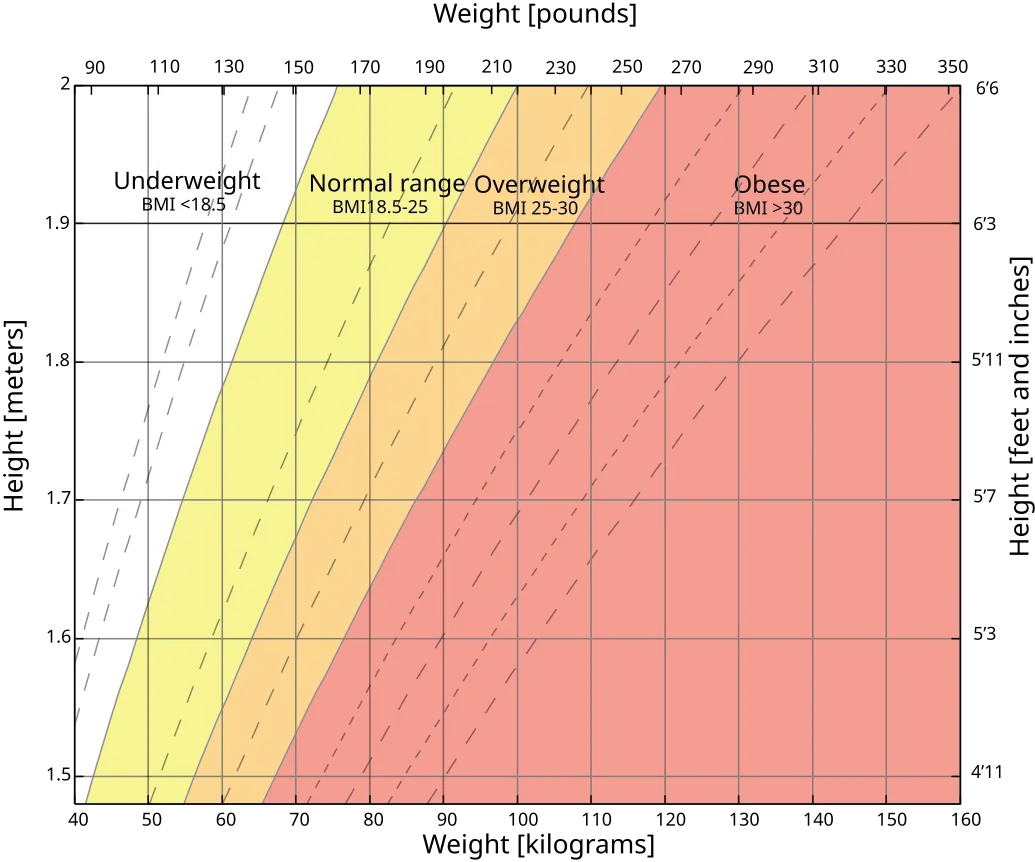
To determine how healthy an adult patient’s weight is, the provider may ask the medical assistant to calculate the patient’s BMI. The BMI is the relationship of weight to height that mathematically correlates the patient’s measurements with health risks. It is a more accurate predictor of weight-related diseases than traditional height-weight charts because it provides a good estimate of the degree of body fat.
A patient’s BMI can be calculated by dividing the weight in pounds by the height in inches squared and then multiplying by 703: BMI = Weight (lb) ÷ Height (inches) ÷ Height (inches) × 703. If using the metric system, you would divide the weight in kilograms by the square of the height in meters: BMI = Weight (kg) ÷ Height (m2). However, to determine the BMI, clinics can use a wheel device that compares the patient’s height to weight, an online BMI calculator, or a BMI chart. This is not necessary with EHR systems because the program automatically calculates the BMI after the patient’s height and weight have been documented.
Individuals with a BMI of 19 to 22 are thought to live the longest. Death rates are significantly higher for people with a BMI of 25 or above. If the BMI indicates that the patient is overweight or obese, dietary modifications may be needed. The provider makes this decision after evaluating all of the patient’s data.
Other body measurements
In some facilities, you may be asked to obtain other body measurements. For example, if a patient has Edema (swelling) of an arm or leg, you might be asked to measure the diameter. You should measure both arms or legs to determine the difference in size. If a patient has a wound, bruise, or other injury, you may need to measure its length and width to evaluate the healing process. Additionally, sometimes an infant will need their head and chest circumference measured or an adult may require a measurement around their abdomen, which is known as abdominal girth. Infant vital signs and measurements are described in more detail in the pediatrics section.
All vital signs and measurements should be documented accurately and immediately.