


Achievable logoAchievable logo
CCMA
Sign in
Sign up
Purchase
Textbook
Practice exams
Support
How it works
Exam catalog
Mountain with a flag at the peak
Textbook
1. Medical assistant
2. Electronic records
3. Medical terminology and anatomy
4. The fundamentals of infection control
5. Introduction to vital signs
6. The patient interview and history
7. The physical examination
8. Appointment scheduling
9. Insurance billing
10. Diagnostic coding and the ICD-10-CM System
11. Procedural coding
12. Medical billing and reimbursement essentials
13. Assisting with medical specialties
14. Assisting with the musculoskeletal system
15. Assisting with the cardiovascular system
16. Assisting with the respiratory system
17. Assisting with the nervous system
18. Anatomy and physiology of the urinary system
19. Assisting in obstetrics and gynecology
20. Assisting in endocrinology
21. Assisting in ophthalmology & otolaryngology
22. Assisting in gastroenterology
23. Assisting in the immune & lymphatic systems
24. Assisting in pediatrics: the developmental stages and care
25. The medical assistant’s role in caring for the older patient
26. The role of the medical assistant in physical therapy examination and assessment
26.1 Immobilization and treatment techniques
26.2 Assisting in physical therapy & rehabilitation
26.3 Assisting with cold and heat therapies
26.4 Assistive devices: crutches, walkers, canes, and wheelchairs
27. Preparing for minor surgery: room, solutions, and supplies
28. Introduction to the clinical laboratory
29. Urinalysis
30. Blood collection
31. Analysis of blood
32. Electrocardiography and heart structure
33. The principles of pharmacology
34. Essential calculations and measurement systems
35. Solid, liquid, & solutions medication doses
36. Administering medications
37. Metabolism and core nutrient roles
38. Medical emergencies in the healthcare setting
Achievable logoAchievable logo
26.2 Assisting in physical therapy & rehabilitation
Achievable CCMA
26. The role of the medical assistant in physical therapy examination and assessment
Our CCMA course is currently in development and is a work-in-progress.

Assisting in physical therapy & rehabilitation

7 min read
Font
Discuss
Share
Feedback

Physical medicine and rehabilitation (PM&R) is also called physiatry or rehabilitation medicine. PM&R uses therapies and physical agents (e.g., heat, electricity, and light) to diagnose, prevent, and treat disorders. This area of medicine is focused on improving and restoring a patient’s ability and quality of life when the person has physical impairments. Such disabilities include conditions that impact the nervous, muscular, and skeletal systems. The goals of PM&R are to do the following:

  • Help the patient become as independent as possible with activities of daily living (e.g., grooming, walking, eating)
  • Improve the person’s quality of life (e.g., reduce pain, increase a person’s ability to do activities)
  • A physiatrist is a physician who specializes in physical medicine and rehabilitation. A physiatrist diagnoses and prescribes treatments and therapies for the patient. As the patient undergoes rehabilitation, the physiatrist manages the patient’s medical conditions. A physiatrist works closely with several therapies:
  • Physical therapy (PT) focuses on improving a person’s movement, strength, and mobility through the use of stretches, exercises, and other physical activities. A physical therapist works with patients to help them learn to walk with assistive devices, such as walkers and canes.
  • Occupational therapy (OT) focuses on improving a person’s ability to perform activities of daily living, such as bathing, grooming, toileting, and eating. OT is focused on a patient’s fine and gross motor skills.
  • Speech therapy is involved with the diagnosis and treatment of patients with swallowing and communication (speech and language) difficulties.

Often medical assistants are hired to assist physiatrists with patient care. Medical assistants in other areas of ambulatory care also work with patients who have conditions that affect movement and mobility. Coaching patients on how to use a sling, cold therapy, or assistive devices, such as crutches, is common in urgent care, orthopedics, and primary care settings. This chapter addresses the medical assistant’s role in assisting with the examination and treatments of conditions related to rehabilitation.

Assisting with the examination

When a patient arrives for an examination, the medical assistant obtains the patient’s vital signs and medical history. Allergies and medication lists are updated. The following sections describe the medical assistant’s role in preparing the patient for the examination and assisting the patient during the examination.

Preparing for the examination

When the medical assistant gathers a medical history on patients with a musculoskeletal concern, it is important to ask about the symptoms, the pain level, and the effect on the patient’s life. When discussing the symptoms, the medical assistant should obtain information about the onset and what reduces or increases the symptoms. The medical assistant can ask the patient to rate the pain using a 0 to 10 scale. Zero is no pain, and 10 is the worst pain ever. Another pain assessment tool is the Wong-Baker FACES Pain Rating Scale. The medical assistant should explain the scale to patients, and then patients can state how they feel. This scale works well for children. The healthcare facility may also require a functional assessment to be done, which gathers information on the patient’s mobility and ability to do activities of daily living (ADLs) (e.g., toileting, bathing, grooming, and eating).

Assisting Patients

When you work with a patient who has an injury, assist the patient into a comfortable position and offer a pillow or folded blanket to support the extremity. For recent injuries, if ordered by the provider, apply a cold application to the injured area. (This procedure will be discussed later in the chapter.)

Patients may have limited mobility because of pain. The medical assistant may need to help patients change into the examination gown. Explain clearly what is happening and what the patient can expect.

Assisting with diagnostic procedures

The medical assistant helps with diagnostic procedures by scheduling and preparing patients for procedures. If tests require restrictions of food or fluids, the medical assistant should address the following points with the patient after talking with the provider:

  • Can the patient have water prior to the test?
  • Which medications should the patient take prior to the test, or when can the patient resume the current medications?

The medical assistant may need to screen the patient for specific allergies, medications, and so on prior to scheduling the procedure. For some procedures, a signed consent form is required. Patients should be notified of what they will experience during the procedure and any follow-up care required after the test.

Range-of-motion measurement

Often orthopedic injuries severely affect the normal range of motion (ROM) of a joint. The range of motion is the normal movement allowed by the joint. Testing the ROM of specific joints is an objective measure of both the seriousness of an injury and the recovery progress. The joint may be evaluated with active and passive ROM. To determine the active ROM of a joint, the patient is asked to move the joint as far as possible. To evaluate passive ROM, the provider moves the joint as far as possible.

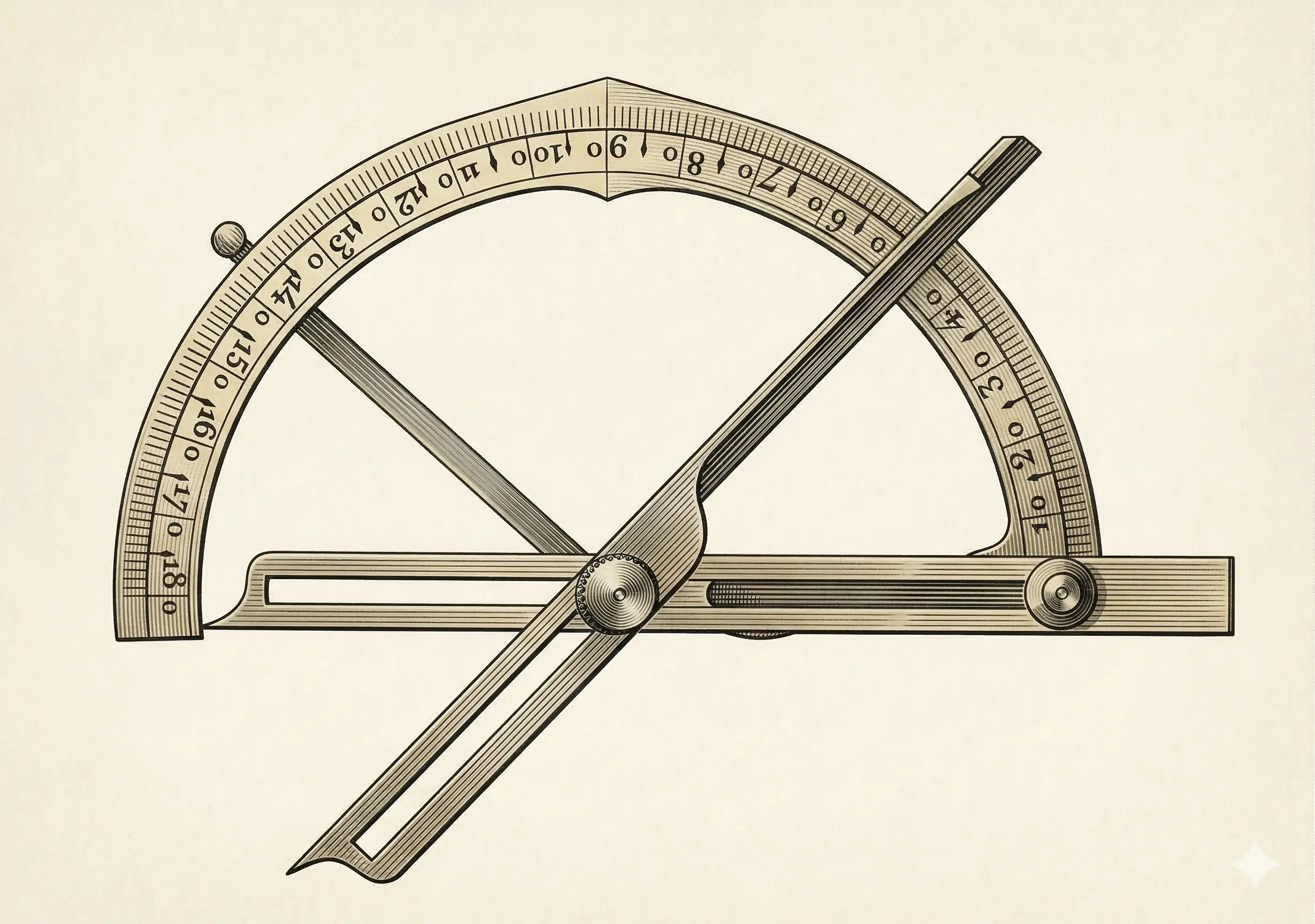
A goniometer is the most common tool used to measure the ROM of a joint. Goniometers have calibration markings to indicate the measurement. A goniometer has two arms that are fixed together with a hinge joint at one end. Each of the arms is lined up with a bone on each side of the joint being tested. The degrees of motion are indicated on a scale on the hinged center of the non digital instrument or on the digital display of the digital goniometer. All ROMs are measured in degrees. Usually, pain, tenderness, or crepitation is also noted during the procedure.

Goniometer used to measure joint range of motion
Goniometer

Muscle strength evaluation

During the ROM evaluation, the provider also assesses each muscle group for strength. Normal muscle strength allows for complete voluntary ROM despite resistance. This resistance can be gravity, as when rising from a sitting to a standing position, or physical, as in pulling, pushing, or lifting an object. Muscle strength is bilaterally equal in normal conditions.

Hand grip strength can be measured with a dynamometer. Digital and nondigital dynamometers are available. A dynamometer provides an objective measurement of hand grip strength. The patient holds the dynamometer in the hand being tested. Typically, the arm is at the side of the patient with the elbow bent at 90 degrees. Various arm and hand positions may be used for different assessments. If a dynamometer is not available, a blood pressure cuff can be used. Follow these steps to assess the hand strength:

  1. Roll up an aneroid blood pressure cuff, and have the patient hold it in one hand.
  2. Inflate the cuff to 20 mm Hg of pressure, and lock the valve.
  3. Ask the patient to squeeze the cuff as tightly as possible.
  4. Note the increase in pressure on the dial (a normal grip registers above 150 mm Hg).
  5. Record the hand tested and the results of the test.
  6. Repeat on the other hand.

Assisting with immobilization treatments

There is a wide range of immobilization treatments used for patients with musculoskeletal conditions and rehabilitation. The following sections describe devices that provide varying degrees of immobilization to the affected extremity. The medical assistant needs to be familiar with how to apply the devices and the required coaching for patients.

Physical medicine and rehabilitation (PM&R)

  • Focus: restore function, improve quality of life for physical impairments
  • Involves therapies: physical therapy (PT), occupational therapy (OT), speech therapy
  • Physiatrist: physician specializing in PM&R, prescribes and manages treatments

Medical assistant’s role in rehabilitation

  • Assist physiatrists and other providers with patient care
  • Coach patients on use of slings, cold therapy, assistive devices (crutches, walkers)
  • Common in urgent care, orthopedics, and primary care settings

Assisting with the examination

  • Obtain vital signs, update medical history, allergies, medication lists
  • Gather detailed symptom and pain information (onset, severity, impact on ADLs)
    • Use pain scales: 0–10 numeric, Wong-Baker FACES (for children)
  • Perform or assist with functional assessments (mobility, ADLs)

Assisting patients during examination

  • Help patients with limited mobility into comfortable positions
  • Provide support (pillows, blankets) for injured extremities
  • Assist with changing into gowns, explain procedures clearly

Assisting with diagnostic procedures

  • Schedule and prepare patients for diagnostic tests
  • Clarify pre-test restrictions (food, water, medications)
  • Screen for allergies, medications; obtain signed consent if needed
  • Educate patients on procedure expectations and follow-up care

Range-of-motion (ROM) measurement

  • ROM: normal movement of a joint, measured in degrees
  • Active ROM: patient moves joint; Passive ROM: provider moves joint
  • Goniometer: tool to measure joint ROM, records degree of motion
  • Note pain, tenderness, crepitation during measurement

Muscle strength evaluation

  • Assess muscle groups for strength during ROM testing
    • Normal: complete voluntary ROM against resistance, bilaterally equal
  • Hand grip strength measured with dynamometer or blood pressure cuff
    • Normal grip: >150 mm Hg with BP cuff method
  • Record results for both hands

Assisting with immobilization treatments

  • Apply and coach on immobilization devices for musculoskeletal conditions
  • Understand device application and patient instructions

Sign up for free to take 15 quiz questions on this topic

Previous
Next  | 26.3 Assisting with cold and heat therapies
All rights reserved ©2016 - 2026 Achievable, Inc.

Assisting in physical therapy & rehabilitation

Physical medicine and rehabilitation (PM&R) is also called physiatry or rehabilitation medicine. PM&R uses therapies and physical agents (e.g., heat, electricity, and light) to diagnose, prevent, and treat disorders. This area of medicine is focused on improving and restoring a patient’s ability and quality of life when the person has physical impairments. Such disabilities include conditions that impact the nervous, muscular, and skeletal systems. The goals of PM&R are to do the following:

  • Help the patient become as independent as possible with activities of daily living (e.g., grooming, walking, eating)
  • Improve the person’s quality of life (e.g., reduce pain, increase a person’s ability to do activities)
  • A physiatrist is a physician who specializes in physical medicine and rehabilitation. A physiatrist diagnoses and prescribes treatments and therapies for the patient. As the patient undergoes rehabilitation, the physiatrist manages the patient’s medical conditions. A physiatrist works closely with several therapies:
  • Physical therapy (PT) focuses on improving a person’s movement, strength, and mobility through the use of stretches, exercises, and other physical activities. A physical therapist works with patients to help them learn to walk with assistive devices, such as walkers and canes.
  • Occupational therapy (OT) focuses on improving a person’s ability to perform activities of daily living, such as bathing, grooming, toileting, and eating. OT is focused on a patient’s fine and gross motor skills.
  • Speech therapy is involved with the diagnosis and treatment of patients with swallowing and communication (speech and language) difficulties.

Often medical assistants are hired to assist physiatrists with patient care. Medical assistants in other areas of ambulatory care also work with patients who have conditions that affect movement and mobility. Coaching patients on how to use a sling, cold therapy, or assistive devices, such as crutches, is common in urgent care, orthopedics, and primary care settings. This chapter addresses the medical assistant’s role in assisting with the examination and treatments of conditions related to rehabilitation.

Assisting with the examination

When a patient arrives for an examination, the medical assistant obtains the patient’s vital signs and medical history. Allergies and medication lists are updated. The following sections describe the medical assistant’s role in preparing the patient for the examination and assisting the patient during the examination.

Preparing for the examination

When the medical assistant gathers a medical history on patients with a musculoskeletal concern, it is important to ask about the symptoms, the pain level, and the effect on the patient’s life. When discussing the symptoms, the medical assistant should obtain information about the onset and what reduces or increases the symptoms. The medical assistant can ask the patient to rate the pain using a 0 to 10 scale. Zero is no pain, and 10 is the worst pain ever. Another pain assessment tool is the Wong-Baker FACES Pain Rating Scale. The medical assistant should explain the scale to patients, and then patients can state how they feel. This scale works well for children. The healthcare facility may also require a functional assessment to be done, which gathers information on the patient’s mobility and ability to do activities of daily living (ADLs) (e.g., toileting, bathing, grooming, and eating).

Assisting Patients

When you work with a patient who has an injury, assist the patient into a comfortable position and offer a pillow or folded blanket to support the extremity. For recent injuries, if ordered by the provider, apply a cold application to the injured area. (This procedure will be discussed later in the chapter.)

Patients may have limited mobility because of pain. The medical assistant may need to help patients change into the examination gown. Explain clearly what is happening and what the patient can expect.

Assisting with diagnostic procedures

The medical assistant helps with diagnostic procedures by scheduling and preparing patients for procedures. If tests require restrictions of food or fluids, the medical assistant should address the following points with the patient after talking with the provider:

  • Can the patient have water prior to the test?
  • Which medications should the patient take prior to the test, or when can the patient resume the current medications?

The medical assistant may need to screen the patient for specific allergies, medications, and so on prior to scheduling the procedure. For some procedures, a signed consent form is required. Patients should be notified of what they will experience during the procedure and any follow-up care required after the test.

Range-of-motion measurement

Often orthopedic injuries severely affect the normal range of motion (ROM) of a joint. The range of motion is the normal movement allowed by the joint. Testing the ROM of specific joints is an objective measure of both the seriousness of an injury and the recovery progress. The joint may be evaluated with active and passive ROM. To determine the active ROM of a joint, the patient is asked to move the joint as far as possible. To evaluate passive ROM, the provider moves the joint as far as possible.

A goniometer is the most common tool used to measure the ROM of a joint. Goniometers have calibration markings to indicate the measurement. A goniometer has two arms that are fixed together with a hinge joint at one end. Each of the arms is lined up with a bone on each side of the joint being tested. The degrees of motion are indicated on a scale on the hinged center of the non digital instrument or on the digital display of the digital goniometer. All ROMs are measured in degrees. Usually, pain, tenderness, or crepitation is also noted during the procedure.

Muscle strength evaluation

During the ROM evaluation, the provider also assesses each muscle group for strength. Normal muscle strength allows for complete voluntary ROM despite resistance. This resistance can be gravity, as when rising from a sitting to a standing position, or physical, as in pulling, pushing, or lifting an object. Muscle strength is bilaterally equal in normal conditions.

Hand grip strength can be measured with a dynamometer. Digital and nondigital dynamometers are available. A dynamometer provides an objective measurement of hand grip strength. The patient holds the dynamometer in the hand being tested. Typically, the arm is at the side of the patient with the elbow bent at 90 degrees. Various arm and hand positions may be used for different assessments. If a dynamometer is not available, a blood pressure cuff can be used. Follow these steps to assess the hand strength:

  1. Roll up an aneroid blood pressure cuff, and have the patient hold it in one hand.
  2. Inflate the cuff to 20 mm Hg of pressure, and lock the valve.
  3. Ask the patient to squeeze the cuff as tightly as possible.
  4. Note the increase in pressure on the dial (a normal grip registers above 150 mm Hg).
  5. Record the hand tested and the results of the test.
  6. Repeat on the other hand.

Assisting with immobilization treatments

There is a wide range of immobilization treatments used for patients with musculoskeletal conditions and rehabilitation. The following sections describe devices that provide varying degrees of immobilization to the affected extremity. The medical assistant needs to be familiar with how to apply the devices and the required coaching for patients.

Key points

Physical medicine and rehabilitation (PM&R)

  • Focus: restore function, improve quality of life for physical impairments
  • Involves therapies: physical therapy (PT), occupational therapy (OT), speech therapy
  • Physiatrist: physician specializing in PM&R, prescribes and manages treatments

Medical assistant’s role in rehabilitation

  • Assist physiatrists and other providers with patient care
  • Coach patients on use of slings, cold therapy, assistive devices (crutches, walkers)
  • Common in urgent care, orthopedics, and primary care settings

Assisting with the examination

  • Obtain vital signs, update medical history, allergies, medication lists
  • Gather detailed symptom and pain information (onset, severity, impact on ADLs)
    • Use pain scales: 0–10 numeric, Wong-Baker FACES (for children)
  • Perform or assist with functional assessments (mobility, ADLs)

Assisting patients during examination

  • Help patients with limited mobility into comfortable positions
  • Provide support (pillows, blankets) for injured extremities
  • Assist with changing into gowns, explain procedures clearly

Assisting with diagnostic procedures

  • Schedule and prepare patients for diagnostic tests
  • Clarify pre-test restrictions (food, water, medications)
  • Screen for allergies, medications; obtain signed consent if needed
  • Educate patients on procedure expectations and follow-up care

Range-of-motion (ROM) measurement

  • ROM: normal movement of a joint, measured in degrees
  • Active ROM: patient moves joint; Passive ROM: provider moves joint
  • Goniometer: tool to measure joint ROM, records degree of motion
  • Note pain, tenderness, crepitation during measurement

Muscle strength evaluation

  • Assess muscle groups for strength during ROM testing
    • Normal: complete voluntary ROM against resistance, bilaterally equal
  • Hand grip strength measured with dynamometer or blood pressure cuff
    • Normal grip: >150 mm Hg with BP cuff method
  • Record results for both hands

Assisting with immobilization treatments

  • Apply and coach on immobilization devices for musculoskeletal conditions
  • Understand device application and patient instructions

More from The role of the medical assistant in physical therapy examination and assessment

  • Immobilization and treatment techniques
  • Assisting with cold and heat therapies
  • Assistive devices: crutches, walkers, canes, and wheelchairs