



Reporting obligations and incident management
Compliance with public health statutes
Public health statutes exist in each state to help promote the health of the residents. According to these statutes, healthcare providers have a responsibility to report specific information to various authorities:
- Births and deaths
- Specific diseases, including sexually transmitted infections (STIs)
- Specific injuries related to violence
- Abuse, neglect, and exploitation
Per the HIPAA permission, “public interest and benefit activities,” PHI can be released when required by law, law enforcement, and for public health activities. For the mandatory reporting situations based on state statutes, the provider can release PHI without the patient’s authorization.
Reportable diseases
Reportable diseases are communicable diseases that have a significant public health impact. When a provider diagnoses a reportable disease, the state’s public health department must be notified. This notification process is called disease reporting. Each state has statutes that address disease reporting. Lists of reportable diseases and reporting requirements are typically available on the state’s public health department website. The following are examples of reporting levels and reporting procedures, though each state may be slightly different:
- Urgent reporting: For diseases such as hepatitis A, food or water disease outbreaks, pertussis (whooping cough), measles, plague, and tuberculosis. Reporting must be done immediately, usually by phone or fax.
- Less urgent reporting: For diseases such as sexually transmitted infections; hepatitis B, C, D, and E; legionellosis, Lyme disease, mumps, bacterial meningitis, malaria, tetanus, varicella (chickenpox), and toxic shock syndrome. Reporting may be done electronically, by mail or fax. The provider usually has up to 3 days to file the report.
- Highly confidential reporting: For diseases such as acquired immunodeficiency syndrome (AIDS) and HIV infection. The provider may need to mail the paperwork to increase confidentiality.
Disease reporting procedures and regulations may vary by state. The medical assistant should be aware of the state’s disease reporting process. The provider may ask the medical assistant to contact the public health department regarding a new reportable disease case.
Adult abuse, neglect, and exploitation
In 1965 the Older Americans Act was signed into law. The purpose of the act was to maintain the rights and dignity of the older person. It also created the Administration on Aging. Since then, several federal laws have been passed to help fund federal programs.
Abuse, neglect, and exploitation of older adults and dependent adults are dealt with in state statutes. All states have the following:
- Adult or elder protective services statutes that provide reporting and investigating procedures for elder abuse in the state
- Statutes that establish a Long-Term Care Ombudsman Program that advocates for the safety and rights of long-term care facility residents
- General criminal statutes on fraud, sexual assault, battery, and other abuses that can relate to elder abuse
Some states require financial institutions (banks) to report suspected financial abuse or exploitation of older adults.
Reporting and reporters
The state statute will dictate who are mandated reporters, when to report, and how to report the situation. Many ambulatory healthcare facilities are screening older adults to identify those who do not feel safe in their living conditions. If the medical assistant suspects abuse, neglect, or exploitation of an older person, it is important to bring it to the provider’s attention. Typically, the provider is a mandated reporter under state law. If the provider suspects neglect, abuse, or exploitation, then a report needs to be filed.
State statutes on domestic violence and abuse vary. In some cases, reporting injuries caused by violence covers some domestic abuse situations. Some states have mandatory reporting for domestic violence. It is recommended that providers talk to the victim of domestic violence. They should inform the person when it must be reported. In states where domestic violence is not a mandatory reporting situation, providers can encourage the victim to report the situation. Safe houses are also available in many areas for victims. Having information on local resources for domestic abuse is important in the ambulatory care setting. Providing the information in restrooms is very common. Typically, that might be the only location where the abuser does not follow the victim. It is important to remember that both males and females can be victims of domestic abuse.
Reporting vaccination adverse side effects
When a healthcare provider orders a vaccine to be given to a child, the medical assistant must provide the parent or guardian with a Vaccine Information Statement (VIS). This document reviews the reasons for and the risks of the vaccine. Prior to giving the vaccine, the medical assistant must have the parent or guardian sign a consent form allowing the administration of the immunization.
If a patient experiences an unusual side effect from a vaccine, the provider might need to file a report with the Vaccine Adverse Event Reporting System (VAERS). Patients and families can also file a report. VAERS is a national surveillance program that monitors vaccine safety. It collects information on unusual vaccine side effects. VAERS is co-sponsored by the CDC and FDA.
In 1986 the National Childhood Vaccine Injury Act was passed. It created the National Vaccine Injury Compensation Program (VICP). This program provides compensation for children injured by childhood vaccines. The VICP lifts the burden of lawsuits from vaccine manufacturers and healthcare providers. The VIS contains information about VICP for patients’ families.
Americans with Disabilities Act and the Rehabilitation Act
People with disabilities have a right to accessible healthcare. The Americans with Disabilities Act (ADA) prohibits discrimination against individuals with disabilities in everyday activities, including getting healthcare. The Rehabilitation Act of 1973 prohibits discrimination against individuals with disabilities in services that receive federal financial assistance, including healthcare services. These laws require that healthcare agencies make their services accessible to people with disabilities. The following are examples of how these laws affect ambulatory care facilities:
- Patients in wheelchairs: These patients need to be moved to exam tables when the exam requires the patient to be lying down. Lifts and low exam tables are available to help in these situations. Patients with disabilities cannot be denied care on the grounds that accessible medical equipment is not available.
- Patients with disabilities: If a patient has an interpreter or a companion, it is important that the healthcare provider focuses on the patient.
- Exam table location: Patients must have a minimum of 30 inches by 48 inches of clear space adjacent to the exam table and the accessible route out of the room. This allows individuals in wheelchairs to approach the table and be able to transfer onto it. An adjustable-height exam table should be available.
- Accessible scales: Special wheelchair scales and in-floor scales (built into the floor) are needed for patients with limited or no mobility.
Incident reports and risk management
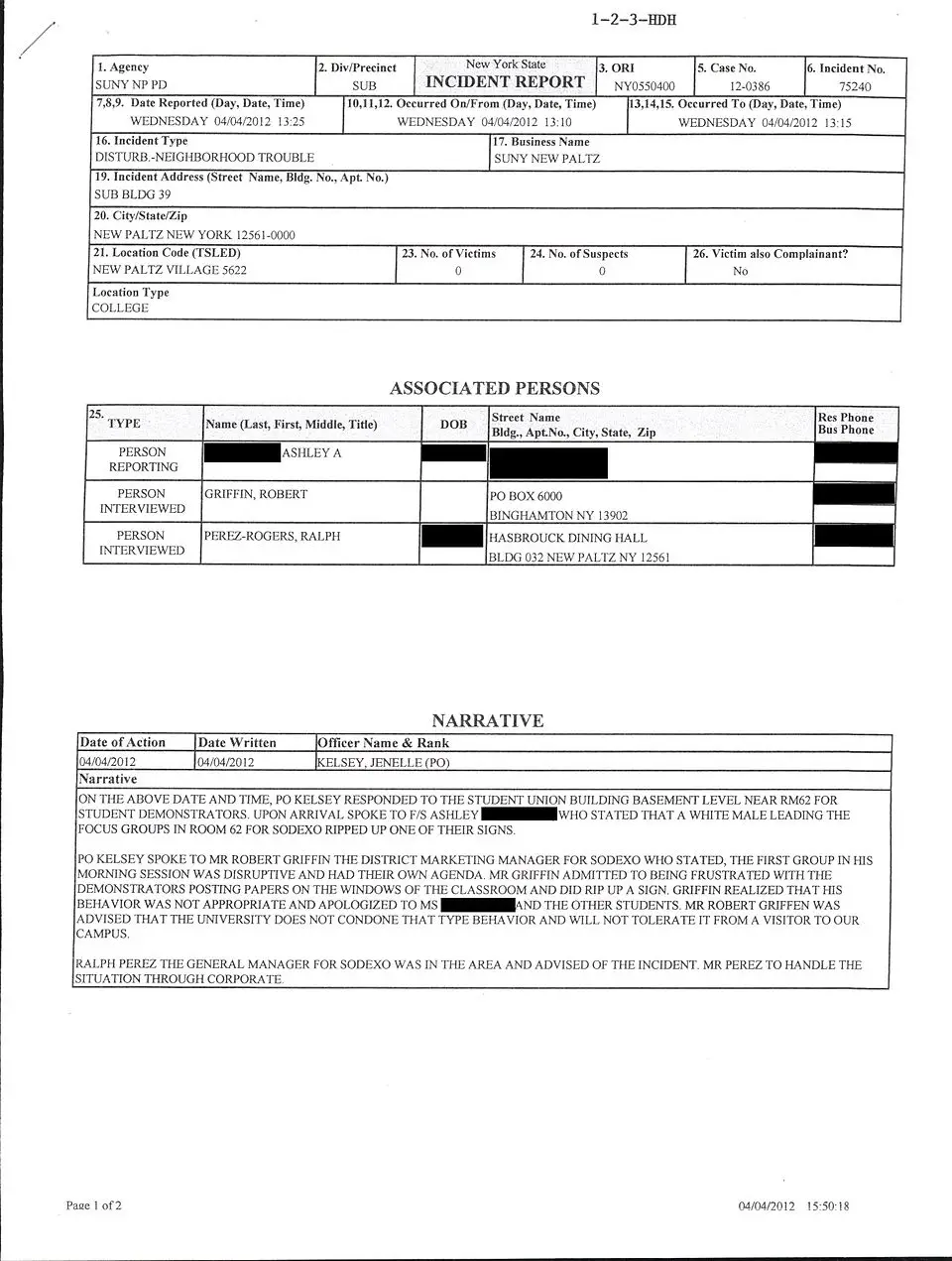
When a person is injured or equipment malfunctions, most ambulatory care facilities require an incident report to be completed. An incident report is an internal document that needs to be completed whenever an unexpected event occurs. The purposes of the incident report are to gather information about the situation in case of a future lawsuit and communicate issues for risk management procedures.
Completing incident reports
The medical assistant should remember these points about incident reports:
- Complete an incident report for patient complaints, medication errors, medical device malfunctions, and any injury.
- Complete the incident report clearly and accurately in pen or electronically.
- List the facts. Do not speculate or draw conclusions.
- Make sure to complete it by the end of the day the situation occurs.
- Do not mention the incident report in the patient’s health record. If it is mentioned, a lawyer may request a copy of the report.
Usually, the incident report is given to the supervisor to review before it is sent to the risk management team. Risk management involves techniques used to reduce or eliminate accidental loss to the healthcare facility. It involves identifying, assessing, and controlling risks. Risks can relate to financial issues, legal liabilities, accidents, and electronic data security threats.