


Achievable logoAchievable logo
PTCE
Sign in
Sign up
Purchase
Textbook
Practice exams
Support
How it works
Resources
Exam catalog
Mountain with a flag at the peak
Textbook
Introduction
1. Medications
2. Patient safety and quality assurance
3. Order entry and processing
4. Federal requirements
Wrapping up
Achievable logoAchievable logo
1.5.5.2 Antianginals, antiarrhythmics and lipid lowering agents
Achievable PTCE
1. Medications
1.5. Medications by organ system
1.5.5. Drugs of the cardiovascular system

Antianginals, antiarrhythmics and lipid lowering agents

8 min read
Font
Discuss
Share
Feedback

Antianginals

Antianginals are drugs used to treat angina. They’re classified by how they reduce myocardial oxygen demand and/or improve oxygen supply.

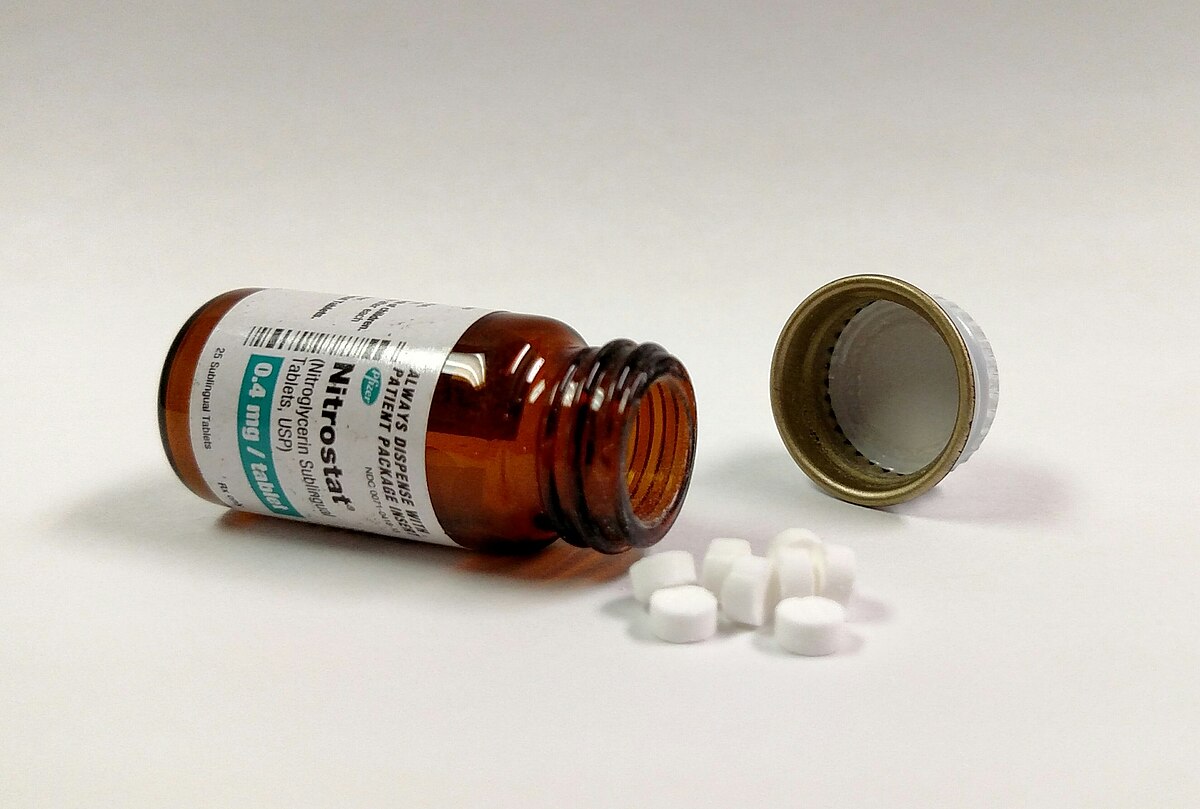
Nitrates: Nitrates dilate coronary blood vessels and reduce the work of the heart, which lowers cardiac oxygen demand. Examples include nitroglycerine (GoNitro, Minitran, Nitro-Bid, Nitrostat, Nitromist), isosorbide dinitrate (Isordil, Dilatrate-SR), and isosorbide mononitrate (Imdur).

For rapid relief, nitroglycerine is available as sublingual tablets and a spray.

  • One sublingual tablet may be taken every 5 minutes as needed, up to a maximum of 3 tablets in 15 minutes; if pain persists, the patient needs emergency care.
  • It can also be taken as one tablet 5-10 minutes before an activity that precipitates angina (for example, exercise).

Adverse effects include headache and dizziness.

Nitrates are contraindicated with phosphodiesterase inhibitors like sildenafil (Viagra) and tadalafil (Cialis). They should not be used in people with certain types of glaucoma.

Nitrostat
Nitrostat
Mark Oniffrey
/
Wikimedia Commons
/
CC BY-SA 4.0

Calcium channel blockers: These are also used to treat hypertension, covered in more detail in the Antihypertensives chapter. Diltiazem (Cardizem, Tiazac) and verapamil (Calan, Verelan) are calcium channel blockers with antianginal properties.

Beta blockers: These are also used to treat hypertension, covered in more detail in the Antihypertensives chapter. Cardioselective beta blockers like atenolol (Tenormin) and metoprolol (Lopressor, Toprol XL) are preferred as antianginals.

Ranolazine: Ranolazine (Ranexa, Aspruzyo Sprinkle) is a sodium channel blocker. Adverse effects include dizziness, edema, tinnitus, and vertigo.

Dipyridamole: Dipyridamole (Persantine) is a phosphodiesterase inhibitor used as an antianginal and antiplatelet agent.

Antiarrhythmics

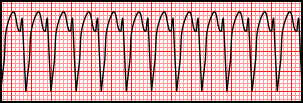
Antiarrhythmics are drugs used to prevent and treat irregular cardiac rhythms (arrhythmias), such as atrial fibrillation and ventricular tachycardia. Some antiarrhythmics are also used as antihypertensives and antianginals. They’re classified by mechanism of action as follows.

Class I or sodium channel blockers: This group includes flecainide (Tambocor), quinidine (Cardioquin, Cin-Quin, and Quinidex), procainamide (Procanbid, Pronestyl), and mexiletine (Mexitil). Adverse effects include worsening of arrhythmias. Quinidine can cause cinchonism (nausea, tinnitus, and visual changes), and procainamide can cause a lupus-like syndrome.

Class II or beta blockers: This group includes atenolol (Tenormin), metoprolol (Lopressor, Toprol XL), nadolol (Corgard), propranolol (Inderal), and acebutolol (Sectral). Adverse effects include bronchospasm, fatigue, bradycardia, and depression.

Class III or potassium channel blockers: This group includes amiodarone (Cordarone, Pacerone), sotalol (Betapace, Sorine), ibutilide (Corvert) and dofetilide (Tikosyn). Adverse effects include prolongation of QTc, Torsades de Pointes, fatigue, and dizziness. Amiodarone can also cause thyroid dysfunction (hypothyroidism or hyperthyroidism), lung damage, and liver damage.

Class IV or calcium channel blockers: They include verapamil (Verelan, Calan) and diltiazem (Cardizem, Tiazac). Adverse effects include hypotension, edema, constipation, headache, and atrioventricular or AV conduction block.

Others: These drugs have unique mechanisms of action.

  • Adenosine (Adenocard, Adenoscan) blocks impulse conduction between the atria and ventricles of the heart to stop arrhythmias. It’s quick acting and administered intravenously to treat a type of arrhythmia called supraventricular tachycardia or SVT. Adverse effects include headache, flushing, chest tightness, and hypotension.
  • Digoxin (Digitek, Lanoxin), a digitalis glycoside, blocks Na/K ATPase pump and increases cardiac contractility. Adverse effects include vision changes like yellow vision, nausea, arrhythmias, confusion, dizziness, rashes, and diarrhea. Potassium matters in both directions: severe toxicity (overdose) can cause hyperkalemia (high potassium), while hypokalemia (low potassium) makes a patient more prone to digoxin toxicity, so potassium levels are monitored. Digoxin has a narrow therapeutic index - the gap between an effective dose and a toxic dose is small - so serum digoxin levels are routinely monitored to avoid toxicity.
ECG showing ventricular tachycardia
Rocuronium Bromide
/
Wikimedia Commons
/
CC0 1.0

Lipid lowering agents

Lipids are fatty substances found in blood, fat cells, and cell membranes. The liver plays a major role in lipid metabolism. Cholesterol and triglycerides are types of lipids.

Elevated cholesterol and/or triglyceride levels are associated with cardiovascular and pancreatic diseases. Several classes of lipid-lowering drugs are available, and statins are the most commonly used.

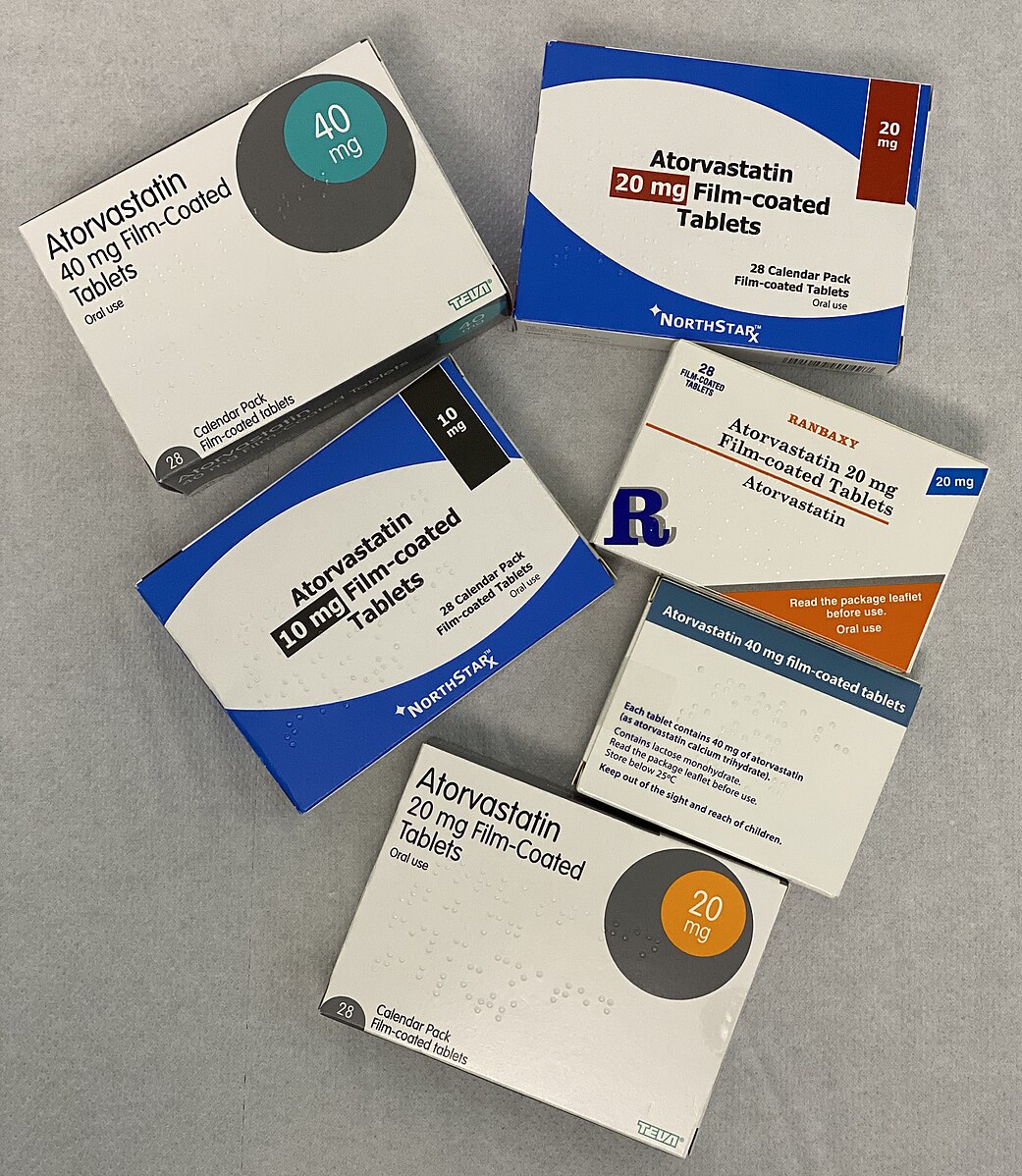
Statins: Statins decrease cholesterol synthesis by inhibiting the rate-limiting enzyme, HMG CoA reductase. Examples include atorvastatin (Lipitor), rosuvastatin (Crestor), simvastatin (Zocor), and lovastatin (Mevacor).

Statins:

  • decrease LDL cholesterol and triglyceride levels
  • increase HDL levels

Adverse effects include myalgia, rhabdomyolysis, hepatotoxicity, and elevated liver enzymes. Rhabdomyolysis is the breakdown of muscle tissue, and in serious cases, it may cause renal failure.

When statins (especially simvastatin, lovastatin, and atorvastatin) are taken with the macrolide antibiotics clarithromycin or erythromycin, the risk of serious adverse effects is higher because these macrolides slow down statin metabolism, leading to higher statin levels in the blood. Azithromycin, another macrolide, carries much less risk of this interaction.

The FDA recommends stopping statins in most pregnant patients because they can potentially cause fetal damage. Since 2021, the FDA no longer contraindicates statins in every pregnancy. Patients at very high cardiovascular risk may continue them.

Atorvastatin
Atorvastatin
Whispyhistory
/
Wikimedia Commons
/
CC BY-SA 4.0

Fibrates: They decrease triglyceride levels. Examples include gemfibrozil (Lopid), fenofibrate (Lofibra, Antara) and fenofibric acid (Fibricor). Adverse effects include muscle pain and gallstones.

Niacin: Niacin is vitamin B3. It lowers triglycerides and LDL cholesterol and raises HDL cholesterol. Its exact mechanism isn’t fully defined. It likely reduces the release of free fatty acids from fat tissue, so the liver makes less triglyceride and VLDL. Adverse effects include skin flushing, hypotension, and rash. Common brand names include Niacor and Niaspan.

Ezetimibe: It decreases the absorption of cholesterol from the intestine. A commonly available brand is Zetia. It’s often given in combination with a statin, e.g., simvastatin plus ezetimibe (Vytorin). Adverse effects include elevated liver enzymes and diarrhea.

Bile acid sequestrants: They prevent enterohepatic recycling of bile acids, which leads to decreased serum cholesterol levels. Examples include cholestyramine (Locholest, Prevalite, Questran), colestipol (Colestid) and colesevelam (WelChol).

Adverse effects include nausea, gastrointestinal upset, and decreased absorption of drugs and fat soluble vitamins. Medications should be taken an hour earlier or 4-6 hours after taking bile acid sequestrants to prevent interference with drug absorption.

PCSK9 inhibitors: They are relatively new medications that decrease LDL cholesterol levels. Examples include evolocumab (Repatha) and alirocumab (Praluent). Common adverse effects include injection-site reactions, nasopharyngitis, flu-like or upper respiratory symptoms, and back or muscle pain; memory problems or confusion have been reported rarely.

Fish oil supplements: Omega 3 fatty acids, sold as fish oil supplements, have shown some benefit in decreasing triglyceride levels by reducing synthesis, but they can increase LDL cholesterol in some patients. Taking very high doses may cause bleeding and stroke.

They can interact with anticoagulants and antiplatelets and increase the risk of bleeding. They have a synergistic effect in lowering blood pressure with antihypertensives.

Antianginals

  • Treat angina by reducing myocardial oxygen demand and/or boosting supply
  • Nitrates (nitroglycerine, isosorbide dinitrate/mononitrate): dilate coronary vessels, lower cardiac workload
    • Sublingual nitroglycerine: 1 tablet q5min, max 3 in 15 min; seek emergency care if pain persists
    • Contraindicated with PDE5 inhibitors (sildenafil, tadalafil); avoid in certain glaucoma
    • Adverse effects: headache, dizziness
  • Calcium channel blockers (diltiazem, verapamil) and beta blockers (atenolol, metoprolol - cardioselective preferred): dual use for angina/hypertension
  • Ranolazine: sodium channel blocker; adverse effects—dizziness, edema, tinnitus, vertigo
  • Dipyridamole: phosphodiesterase inhibitor, also antiplatelet

Antiarrhythmics

  • Classified by mechanism (Vaughan Williams classes)
  • Class I (Na channel blockers: flecainide, quinidine, procainamide, mexiletine): quinidine → cinchonism; procainamide → lupus-like syndrome
  • Class II (beta blockers: atenolol, metoprolol, nadolol, propranolol, acebutolol): bronchospasm, bradycardia, fatigue, depression
  • Class III (K channel blockers: amiodarone, sotalol, ibutilide, dofetilide): QTc prolongation, Torsades de Pointes; amiodarone also → thyroid/lung/liver toxicity
  • Class IV (Ca channel blockers: verapamil, diltiazem): hypotension, edema, AV block
  • Other agents:
    • Adenosine: IV, rapid-acting, blocks AV conduction, used for SVT; causes flushing, chest tightness
    • Digoxin: inhibits Na/K ATPase, increases contractility; narrow therapeutic index—monitor serum levels
      • Toxicity signs: yellow vision, arrhythmias, confusion, GI upset
      • Hypokalemia increases toxicity risk; severe toxicity can cause hyperkalemia

Lipid Lowering Agents

  • Target cholesterol/triglycerides linked to cardiovascular/pancreatic disease
  • Statins (atorvastatin, rosuvastatin, simvastatin, lovastatin): inhibit HMG-CoA reductase → ↓LDL/triglycerides, ↑HDL
    • Adverse effects: myalgia, rhabdomyolysis, hepatotoxicity
    • Interaction: clarithromycin/erythromycin increase statin levels (risk); azithromycin safer
    • Pregnancy: generally stopped, exceptions for high-risk patients (post-2021 FDA guidance)
  • Fibrates (gemfibrozil, fenofibrate): ↓triglycerides; adverse effects—muscle pain, gallstones
  • Niacin (vitamin B3): ↓triglycerides/LDL, ↑HDL; adverse effects—flushing, hypotension, rash
  • Ezetimibe: ↓intestinal cholesterol absorption; often combined with statin (Vytorin); adverse effects—liver enzyme elevation, diarrhea
  • Bile acid sequestrants (cholestyramine, colestipol, colesevelam): block bile acid recycling → ↓cholesterol
    • Must separate dosing (1 hr before/4-6 hrs after) from other meds due to absorption interference
  • PCSK9 inhibitors (evolocumab, alirocumab): newer LDL-lowering injectables; adverse effects—injection site reactions, flu-like symptoms, rare memory issues
  • Fish oil (omega-3s): ↓triglycerides but may ↑LDL; high doses risk bleeding/stroke
    • Interacts with anticoagulants/antiplatelets (bleeding risk); synergistic BP-lowering with antihypertensives

Sign up for free to take 54 quiz questions on this topic

Previous
Next  | 1.5.5.3 Antihypertensives
All rights reserved ©2016 - 2026 Achievable, Inc.

Antianginals, antiarrhythmics and lipid lowering agents

Antianginals

Antianginals are drugs used to treat angina. They’re classified by how they reduce myocardial oxygen demand and/or improve oxygen supply.

Nitrates: Nitrates dilate coronary blood vessels and reduce the work of the heart, which lowers cardiac oxygen demand. Examples include nitroglycerine (GoNitro, Minitran, Nitro-Bid, Nitrostat, Nitromist), isosorbide dinitrate (Isordil, Dilatrate-SR), and isosorbide mononitrate (Imdur).

For rapid relief, nitroglycerine is available as sublingual tablets and a spray.

  • One sublingual tablet may be taken every 5 minutes as needed, up to a maximum of 3 tablets in 15 minutes; if pain persists, the patient needs emergency care.
  • It can also be taken as one tablet 5-10 minutes before an activity that precipitates angina (for example, exercise).

Adverse effects include headache and dizziness.

Nitrates are contraindicated with phosphodiesterase inhibitors like sildenafil (Viagra) and tadalafil (Cialis). They should not be used in people with certain types of glaucoma.

Calcium channel blockers: These are also used to treat hypertension, covered in more detail in the Antihypertensives chapter. Diltiazem (Cardizem, Tiazac) and verapamil (Calan, Verelan) are calcium channel blockers with antianginal properties.

Beta blockers: These are also used to treat hypertension, covered in more detail in the Antihypertensives chapter. Cardioselective beta blockers like atenolol (Tenormin) and metoprolol (Lopressor, Toprol XL) are preferred as antianginals.

Ranolazine: Ranolazine (Ranexa, Aspruzyo Sprinkle) is a sodium channel blocker. Adverse effects include dizziness, edema, tinnitus, and vertigo.

Dipyridamole: Dipyridamole (Persantine) is a phosphodiesterase inhibitor used as an antianginal and antiplatelet agent.

Antiarrhythmics

Antiarrhythmics are drugs used to prevent and treat irregular cardiac rhythms (arrhythmias), such as atrial fibrillation and ventricular tachycardia. Some antiarrhythmics are also used as antihypertensives and antianginals. They’re classified by mechanism of action as follows.

Class I or sodium channel blockers: This group includes flecainide (Tambocor), quinidine (Cardioquin, Cin-Quin, and Quinidex), procainamide (Procanbid, Pronestyl), and mexiletine (Mexitil). Adverse effects include worsening of arrhythmias. Quinidine can cause cinchonism (nausea, tinnitus, and visual changes), and procainamide can cause a lupus-like syndrome.

Class II or beta blockers: This group includes atenolol (Tenormin), metoprolol (Lopressor, Toprol XL), nadolol (Corgard), propranolol (Inderal), and acebutolol (Sectral). Adverse effects include bronchospasm, fatigue, bradycardia, and depression.

Class III or potassium channel blockers: This group includes amiodarone (Cordarone, Pacerone), sotalol (Betapace, Sorine), ibutilide (Corvert) and dofetilide (Tikosyn). Adverse effects include prolongation of QTc, Torsades de Pointes, fatigue, and dizziness. Amiodarone can also cause thyroid dysfunction (hypothyroidism or hyperthyroidism), lung damage, and liver damage.

Class IV or calcium channel blockers: They include verapamil (Verelan, Calan) and diltiazem (Cardizem, Tiazac). Adverse effects include hypotension, edema, constipation, headache, and atrioventricular or AV conduction block.

Others: These drugs have unique mechanisms of action.

  • Adenosine (Adenocard, Adenoscan) blocks impulse conduction between the atria and ventricles of the heart to stop arrhythmias. It’s quick acting and administered intravenously to treat a type of arrhythmia called supraventricular tachycardia or SVT. Adverse effects include headache, flushing, chest tightness, and hypotension.
  • Digoxin (Digitek, Lanoxin), a digitalis glycoside, blocks Na/K ATPase pump and increases cardiac contractility. Adverse effects include vision changes like yellow vision, nausea, arrhythmias, confusion, dizziness, rashes, and diarrhea. Potassium matters in both directions: severe toxicity (overdose) can cause hyperkalemia (high potassium), while hypokalemia (low potassium) makes a patient more prone to digoxin toxicity, so potassium levels are monitored. Digoxin has a narrow therapeutic index - the gap between an effective dose and a toxic dose is small - so serum digoxin levels are routinely monitored to avoid toxicity.

Lipid lowering agents

Lipids are fatty substances found in blood, fat cells, and cell membranes. The liver plays a major role in lipid metabolism. Cholesterol and triglycerides are types of lipids.

Elevated cholesterol and/or triglyceride levels are associated with cardiovascular and pancreatic diseases. Several classes of lipid-lowering drugs are available, and statins are the most commonly used.

Statins: Statins decrease cholesterol synthesis by inhibiting the rate-limiting enzyme, HMG CoA reductase. Examples include atorvastatin (Lipitor), rosuvastatin (Crestor), simvastatin (Zocor), and lovastatin (Mevacor).

Statins:

  • decrease LDL cholesterol and triglyceride levels
  • increase HDL levels

Adverse effects include myalgia, rhabdomyolysis, hepatotoxicity, and elevated liver enzymes. Rhabdomyolysis is the breakdown of muscle tissue, and in serious cases, it may cause renal failure.

When statins (especially simvastatin, lovastatin, and atorvastatin) are taken with the macrolide antibiotics clarithromycin or erythromycin, the risk of serious adverse effects is higher because these macrolides slow down statin metabolism, leading to higher statin levels in the blood. Azithromycin, another macrolide, carries much less risk of this interaction.

The FDA recommends stopping statins in most pregnant patients because they can potentially cause fetal damage. Since 2021, the FDA no longer contraindicates statins in every pregnancy. Patients at very high cardiovascular risk may continue them.

Fibrates: They decrease triglyceride levels. Examples include gemfibrozil (Lopid), fenofibrate (Lofibra, Antara) and fenofibric acid (Fibricor). Adverse effects include muscle pain and gallstones.

Niacin: Niacin is vitamin B3. It lowers triglycerides and LDL cholesterol and raises HDL cholesterol. Its exact mechanism isn’t fully defined. It likely reduces the release of free fatty acids from fat tissue, so the liver makes less triglyceride and VLDL. Adverse effects include skin flushing, hypotension, and rash. Common brand names include Niacor and Niaspan.

Ezetimibe: It decreases the absorption of cholesterol from the intestine. A commonly available brand is Zetia. It’s often given in combination with a statin, e.g., simvastatin plus ezetimibe (Vytorin). Adverse effects include elevated liver enzymes and diarrhea.

Bile acid sequestrants: They prevent enterohepatic recycling of bile acids, which leads to decreased serum cholesterol levels. Examples include cholestyramine (Locholest, Prevalite, Questran), colestipol (Colestid) and colesevelam (WelChol).

Adverse effects include nausea, gastrointestinal upset, and decreased absorption of drugs and fat soluble vitamins. Medications should be taken an hour earlier or 4-6 hours after taking bile acid sequestrants to prevent interference with drug absorption.

PCSK9 inhibitors: They are relatively new medications that decrease LDL cholesterol levels. Examples include evolocumab (Repatha) and alirocumab (Praluent). Common adverse effects include injection-site reactions, nasopharyngitis, flu-like or upper respiratory symptoms, and back or muscle pain; memory problems or confusion have been reported rarely.

Fish oil supplements: Omega 3 fatty acids, sold as fish oil supplements, have shown some benefit in decreasing triglyceride levels by reducing synthesis, but they can increase LDL cholesterol in some patients. Taking very high doses may cause bleeding and stroke.

They can interact with anticoagulants and antiplatelets and increase the risk of bleeding. They have a synergistic effect in lowering blood pressure with antihypertensives.

Key points

Antianginals

  • Treat angina by reducing myocardial oxygen demand and/or boosting supply
  • Nitrates (nitroglycerine, isosorbide dinitrate/mononitrate): dilate coronary vessels, lower cardiac workload
    • Sublingual nitroglycerine: 1 tablet q5min, max 3 in 15 min; seek emergency care if pain persists
    • Contraindicated with PDE5 inhibitors (sildenafil, tadalafil); avoid in certain glaucoma
    • Adverse effects: headache, dizziness
  • Calcium channel blockers (diltiazem, verapamil) and beta blockers (atenolol, metoprolol - cardioselective preferred): dual use for angina/hypertension
  • Ranolazine: sodium channel blocker; adverse effects—dizziness, edema, tinnitus, vertigo
  • Dipyridamole: phosphodiesterase inhibitor, also antiplatelet

Antiarrhythmics

  • Classified by mechanism (Vaughan Williams classes)
  • Class I (Na channel blockers: flecainide, quinidine, procainamide, mexiletine): quinidine → cinchonism; procainamide → lupus-like syndrome
  • Class II (beta blockers: atenolol, metoprolol, nadolol, propranolol, acebutolol): bronchospasm, bradycardia, fatigue, depression
  • Class III (K channel blockers: amiodarone, sotalol, ibutilide, dofetilide): QTc prolongation, Torsades de Pointes; amiodarone also → thyroid/lung/liver toxicity
  • Class IV (Ca channel blockers: verapamil, diltiazem): hypotension, edema, AV block
  • Other agents:
    • Adenosine: IV, rapid-acting, blocks AV conduction, used for SVT; causes flushing, chest tightness
    • Digoxin: inhibits Na/K ATPase, increases contractility; narrow therapeutic index—monitor serum levels
      • Toxicity signs: yellow vision, arrhythmias, confusion, GI upset
      • Hypokalemia increases toxicity risk; severe toxicity can cause hyperkalemia

Lipid Lowering Agents

  • Target cholesterol/triglycerides linked to cardiovascular/pancreatic disease
  • Statins (atorvastatin, rosuvastatin, simvastatin, lovastatin): inhibit HMG-CoA reductase → ↓LDL/triglycerides, ↑HDL
    • Adverse effects: myalgia, rhabdomyolysis, hepatotoxicity
    • Interaction: clarithromycin/erythromycin increase statin levels (risk); azithromycin safer
    • Pregnancy: generally stopped, exceptions for high-risk patients (post-2021 FDA guidance)
  • Fibrates (gemfibrozil, fenofibrate): ↓triglycerides; adverse effects—muscle pain, gallstones
  • Niacin (vitamin B3): ↓triglycerides/LDL, ↑HDL; adverse effects—flushing, hypotension, rash
  • Ezetimibe: ↓intestinal cholesterol absorption; often combined with statin (Vytorin); adverse effects—liver enzyme elevation, diarrhea
  • Bile acid sequestrants (cholestyramine, colestipol, colesevelam): block bile acid recycling → ↓cholesterol
    • Must separate dosing (1 hr before/4-6 hrs after) from other meds due to absorption interference
  • PCSK9 inhibitors (evolocumab, alirocumab): newer LDL-lowering injectables; adverse effects—injection site reactions, flu-like symptoms, rare memory issues
  • Fish oil (omega-3s): ↓triglycerides but may ↑LDL; high doses risk bleeding/stroke
    • Interacts with anticoagulants/antiplatelets (bleeding risk); synergistic BP-lowering with antihypertensives

More from Drugs of the cardiovascular system

  • Introduction to the cardiovascular system and medications
  • Antihypertensives
  • Antiplatelets, anticoagulants and thrombolytics