



Preparing parenteral medication
As with all medication preparation, it is important to be in a well-lit room and free from distraction. The medical assistant must be focused on the procedure to reduce the risk of errors. For all parenteral medications, do the following:
- If the medication looks abnormal in color or clarity, discard it.
- Some medications will precipitate at the bottom of the vial. If this is normal for that medication, make sure to mix it prior to withdrawing the medication. If the precipitate is abnormal, a chemical reaction may have occurred. The vial needs to be discarded.
- If the medication has expired, discard it.
- If the medication is no longer sterile, discard it.
Using an ampule
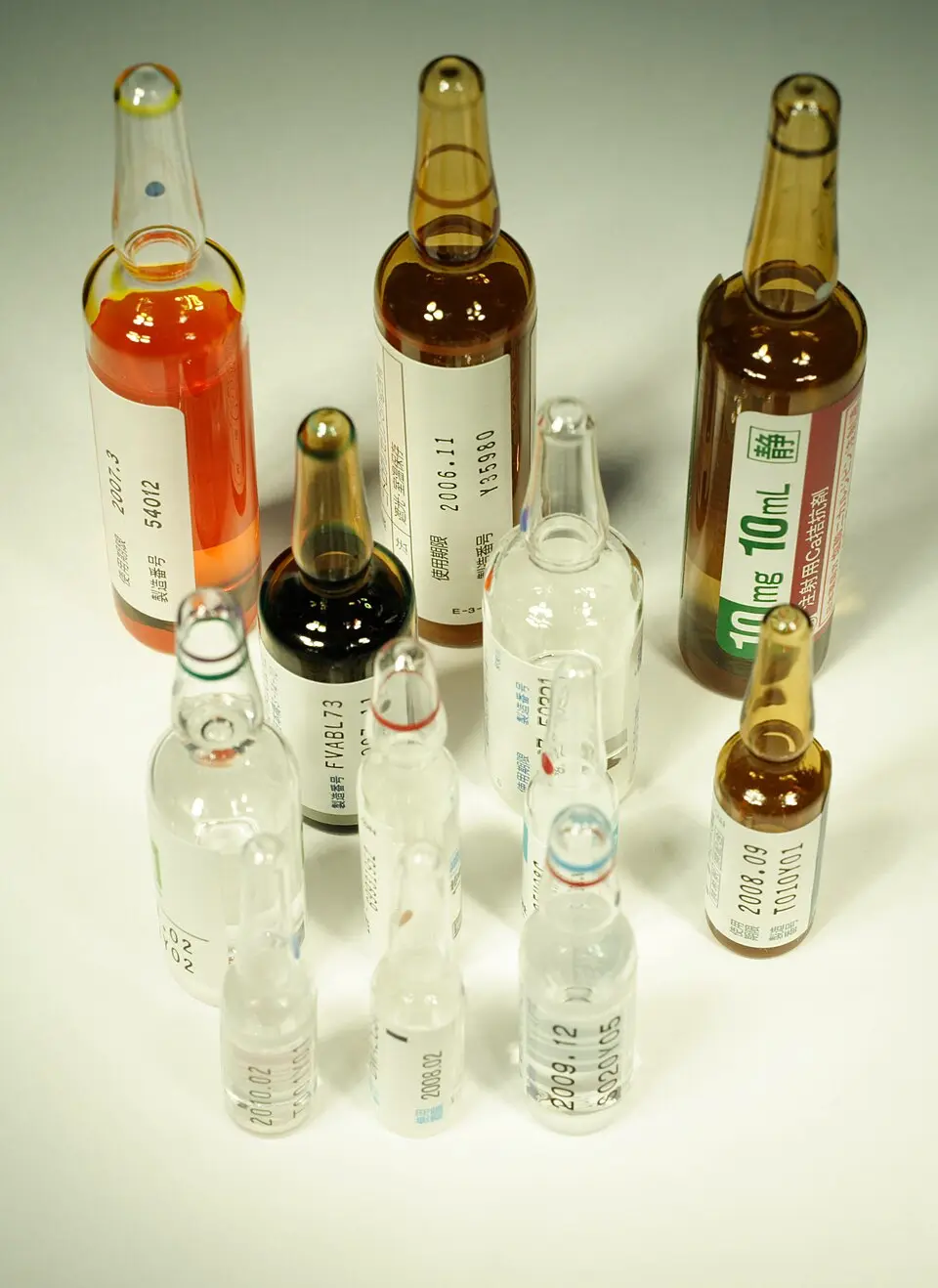
Ampules contain a single dose of medication. They may contain more than the patient needs. The extra medication is wasted. Medications in ampules react to other substances and require the all-glass environment to remain stable. An ampule has a prescored neck, which is snapped off during the preparation process. An ampule opener or breaker is a safety device used to snap off the top of the ampule. A filter needle on a syringe is used to aspirate the medication into the syringe. This needle has a small filter that catches glass particles before they enter the syringe barrel. The filter needle must be removed before the injection is given to the patient.
Using a prefilled sterile cartridge
A prefilled, sterile cartridge comes filled with a single dose of medication. It is not uncommon for the medication in the syringe to be more than what the provider ordered. The cartridge may come with or without a needle. A safety needle can be attached to the Luer-Lok on the prefilled cartridge. A reusable cartridge holder (e.g., Carpuject or Tubex) is needed to dispense the medication. The medical assistant must assemble the cartridge and the reusable cartridge holder prior to administering the medication.
Specialty syringe units
Specialty syringe units are designed so that patients can administer their own medication. Different types of syringe units are available. The dose of insulin required can be set by the dial. The patient needs to change the needle with each dose. Insulin pens cannot be shared between patients.
The EpiPen and other epinephrine pens are automatic injector systems. The pens are dosed for adults or children. People at risk for anaphylactic reactions (e.g., from food allergens, bee stings) should carry epinephrine pens to prevent a fatal reaction. Simulators can accompany some of the injector systems. These are useful when teaching patients how to give their own injections.
Using a vial
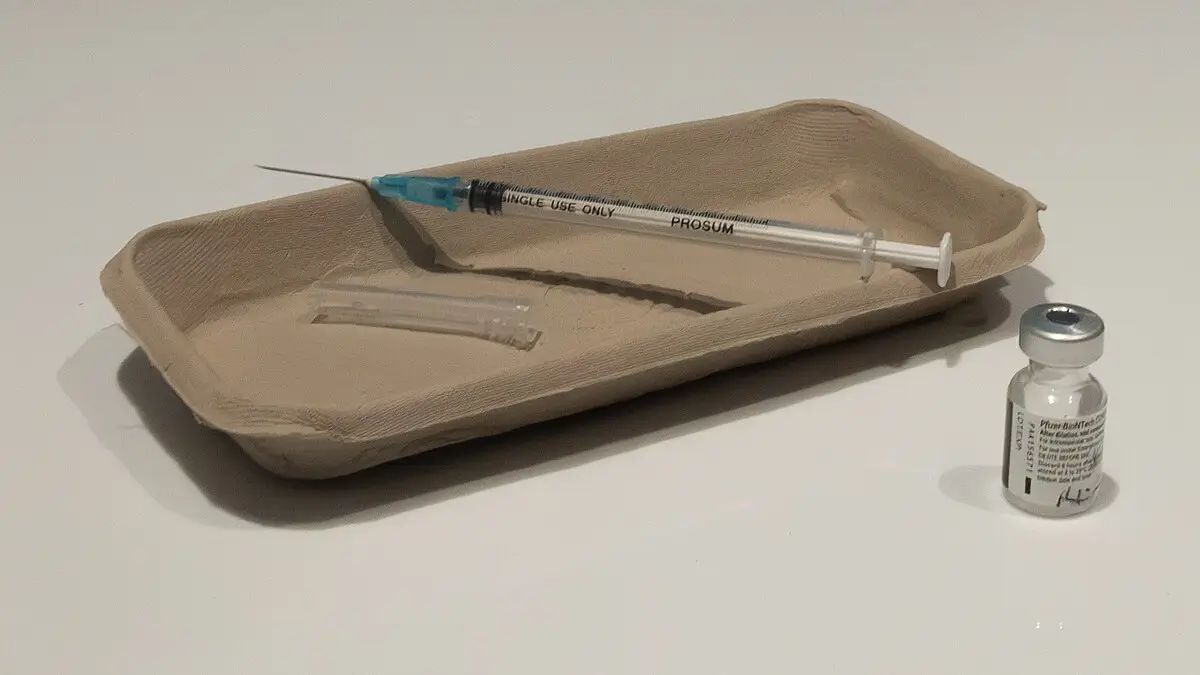
A vial is a plastic or glass container with a rubber stopper that is covered by a cap. Vials contain powdered or liquid medications. Liquid medication is more common. The liquid can be a parenteral medication, sterile normal saline (0.9% sodium chloride), or sterile water. Vials come in single dose or multidose. Single-dose vials contain no antimicrobial preservative, so they are only good for a single patient and a single injection procedure; if the vial needs to be entered more than once for a single patient as part of a single procedure, a new needle and syringe must be used each time, and the vial is discarded after the procedure.
Multidose vials contain many doses of medication. The label will clearly state that the vial is a multidose vial. These vials contain an antimicrobial preservative that prevents the growth of bacteria. The preservative does not help protect the fluid against viruses and other sources of contamination if safe injection practices are not followed. When multidose vials are opened (the cap is removed or the stopper is punctured), they are only good for 28 days (unless the manufacturer states otherwise). The new expiration date should be written on the label. If the manufacturer’s expiration date comes sooner than 28 days, then the earlier date must be used.
Each time the multidose vial is entered, the rubber stopper must be disinfected, and a sterile needle and syringe must be used. The vial is under pressure. You need to add air into the vial before you draw out the amount of liquid you need. The amount of air added should equal the amount of liquid you draw out. Always make sure you have the correct amount of medication in your syringe before you withdraw the needle. Never inject unneeded medication back into the vial once the needle has been removed. Your skills training will include hands-on practice preparing medication from a vial using these steps.