



Linking dependent clauses
The key to deciding whether you need a comma when linking an independent clause and a dependent clause is the order of the clauses. Sometimes you need a comma, and sometimes you don’t.
The rules are straightforward as long as you can identify which clause is independent and which is dependent.
When an independent clause comes first
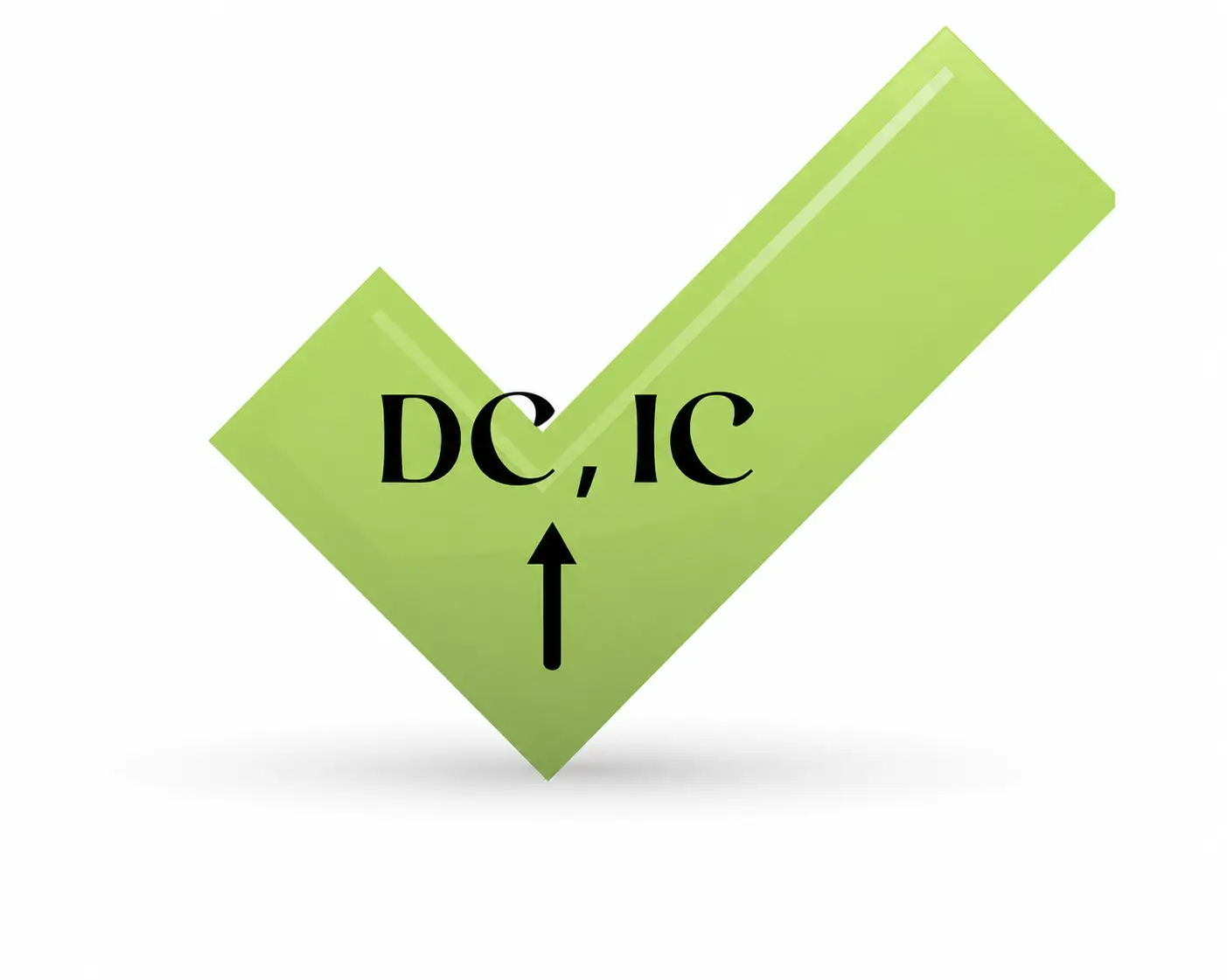
There is not a comma before the conjunction when an independent clause comes before a dependent clause on the ACT.
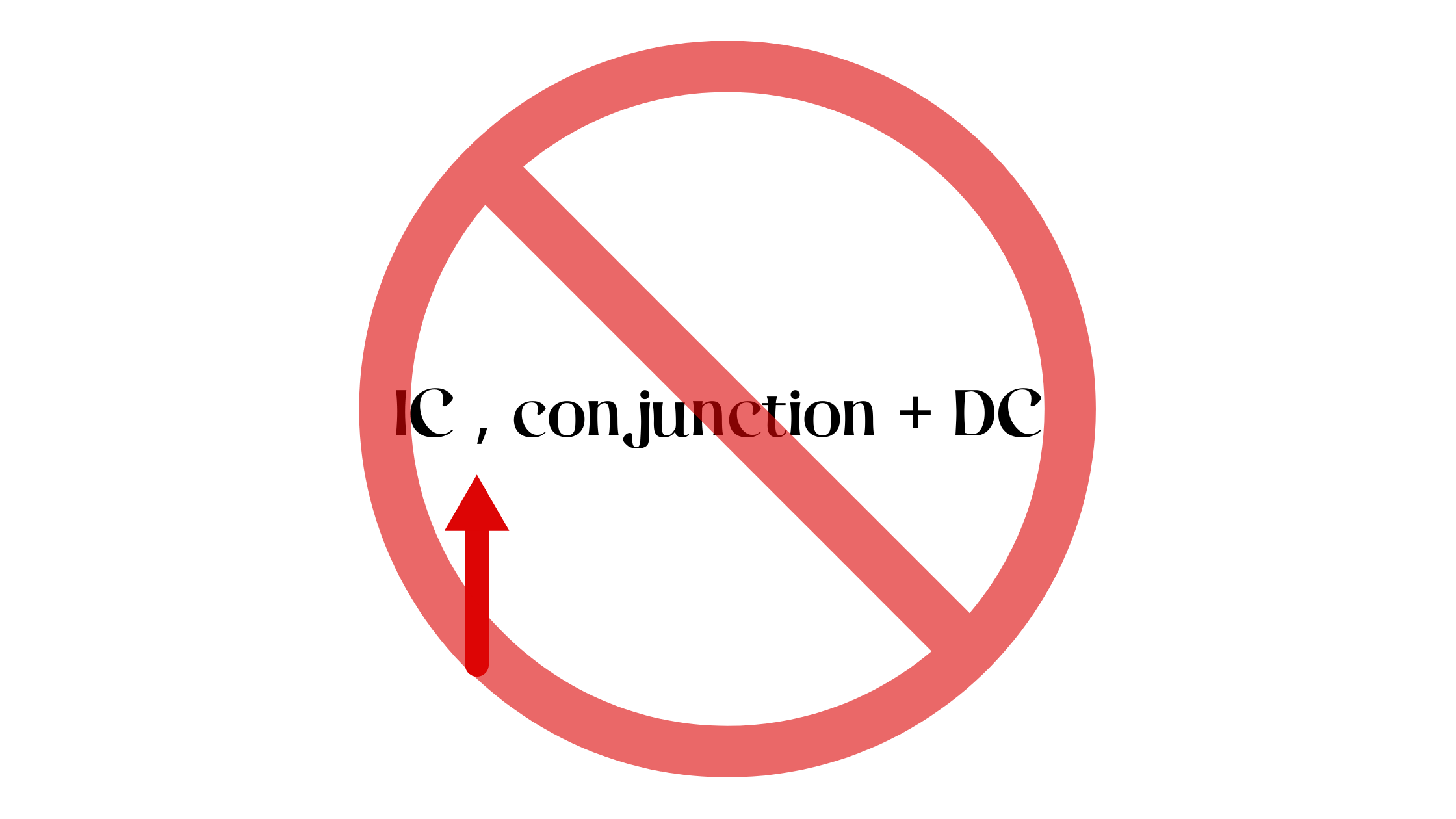
There is never a comma after the conjunction when an independent clause comes before a dependent clause on the ACT.
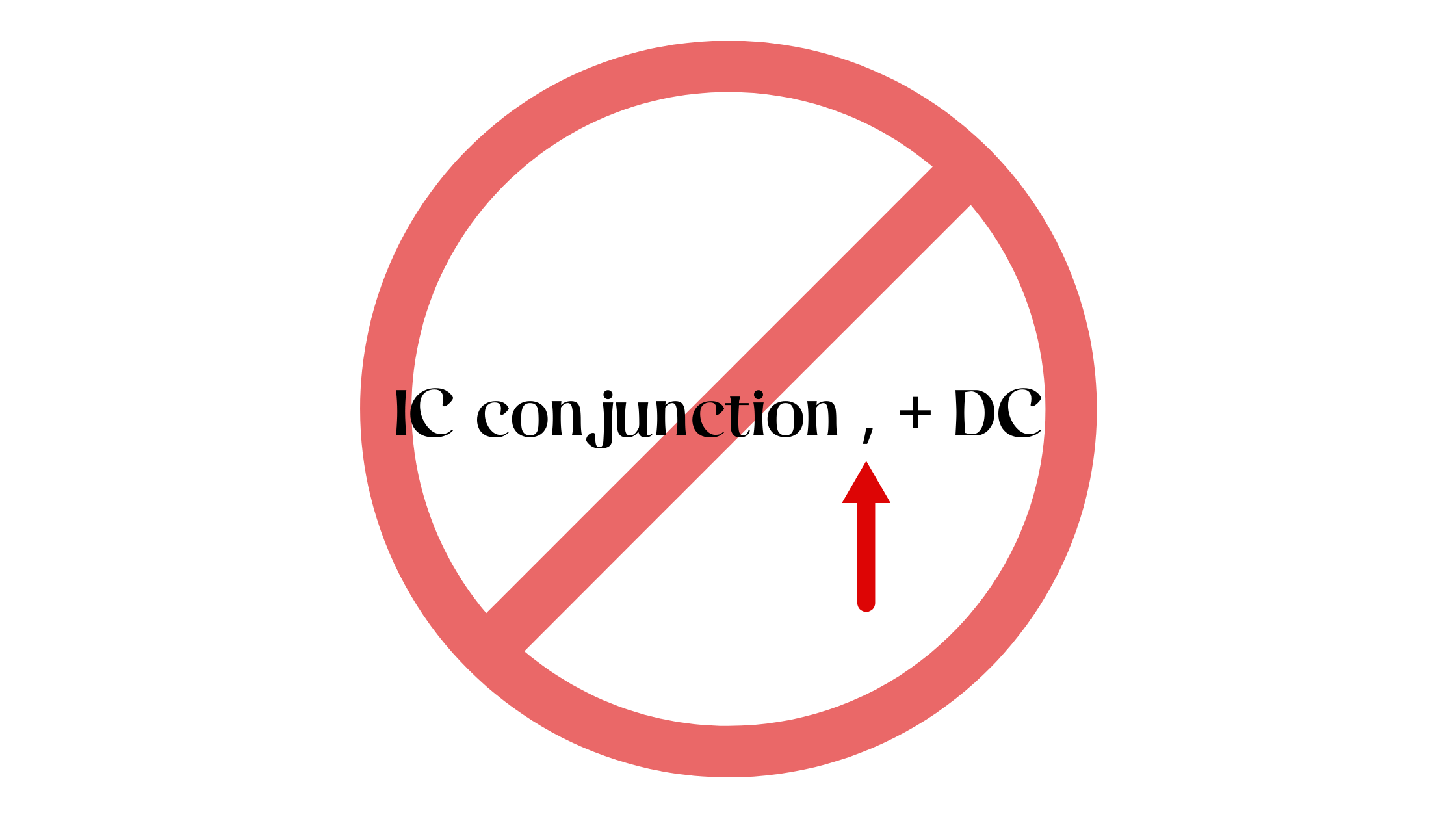
We’ll learn more about conjunctions in a later chapter, unless they come up in one of the other comma rules we’ll cover soon.
In the meantime, here’s an example of linking a dependent clause to an independent clause:
Example
I came back early from the store because I had forgotten my wallet.
This sentence has two clauses:
- Clause 1: I came back early from the store
- Clause 2: because I had forgotten my wallet
The conjunction (here, “because”) belongs to the clause after it, not the clause before it.
I came back early from the store because I had forgotten my wallet.
- Independent clause: I came back early from the store
- Dependent clause: because I had forgotten my wallet.
In this sentence, the independent clause comes first. You can tell it’s independent because it can stand alone as a complete sentence.
The second clause is dependent because “because” makes it incomplete: “because I had forgotten my wallet” doesn’t express a complete thought by itself.
Since the independent clause comes first, you don’t need a comma between the clauses.
When a dependent clause comes first
Again, the key to answering these questions correctly on the ACT is identifying which clause comes first.
- If an independent clause comes before a dependent clause, you don’t need a comma.
- However, when the dependent clause goes first, a comma is needed.
Example
Let’s take the same sentence and flip it so the dependent clause comes first:
Because I had forgotten my wallet, I came back early from the store.
Even though the clause order changed, the sentence is still correct.
Here’s the rule to remember: you use a comma to separate the clauses because the dependent clause came first.
When a dependent clause comes before an independent clause, you ALWAYS need a comma between them.
Exercise 1
Now you try it. Decide whether the comma separating the clauses should be there. Use these steps to answer both questions correctly.
- Determine which clause is independent and which is dependent. Remember: an independent clause can stand on its own, while a dependent clause can’t.
- If the dependent clause comes before the independent clause, you need a comma between them.
- You do not need a comma if the independent clause comes before the dependent clause.
Does this sentence need a comma?
Even though they exhibit beauty, dandelions are considered weeds.
Answer: Yes. Since the dependent clause comes first, we need a comma to separate the dependent clause from the independent clause.
Does this sentence need a comma?
The pressures of modern life can be heavy, since they are incredibly complex.
Answer: No. We don’t need a comma in this sentence because the independent clause comes before the dependent clause.
Now that you’ve had some practice, try the next set. It can be tempting to choose based on what “sounds right” or “looks right,” but on the ACT you’ll be more accurate if you apply the rule every time.
- Determine which clause is independent and which is dependent.
- You need a comma between them if the dependent clause comes before the independent clause.
- You do not need a comma if the independent clause comes before the dependent clause.
Exercise 2
Answer the following questions. Each sentence below has a comma in it. Determine whether the comma is needed or not.
- Is the comma needed in the following sentence? (Y/N)
Although he tried not to show it, it was clear he was mad at me.
Answer: Yes. We need the comma here because the dependent clause comes before the independent clause.
- Is the comma needed in the following sentence? (Y/N)
The boat had had a glimmering red trim, when it was first purchased.
Answer: No. The independent clause comes before the dependent clause, so we don’t need a comma.
- Is the comma needed in the following sentence? (Y/N)
Before I was finished detailing my car, it began to rain.
Answer: Yes. We need the comma here because the dependent clause comes before the independent clause.
- Is the comma needed in the following sentence? (Y/N)
The road trip seemed extra long, because space was limited.
Answer: No. The independent clause comes before the dependent clause, so we don’t need a comma.
- Is the comma needed in the following sentence? (Y/N)
I wasn’t aware of how hungry I was, until the smell of cooking filled the air.
Answer: No. The independent clause comes before the dependent clause, so we don’t need a comma.
- Is the comma needed in the following sentence? (Y/N)
I think I’d like to try skydiving, if I wasn’t scared to even get on my roof.
Answer: No. The independent clause comes before the dependent clause, so we don’t need a comma.
- Is the comma needed in the following sentence? (Y/N)
I sometimes manage to remember to charge my phone, after I get in bed at night.
Answer: No. The independent clause comes before the dependent clause, so we don’t need a comma.
- Is the comma needed in the following sentence? (Y/N)
While I knew she was my best friend, I wondered about her other influences.
Answer: Yes. We need the comma here because the dependent clause comes before the independent clause.
- Is the comma needed in the following sentence? (Y/N)
I was disappointed, when the trip was officially canceled.
Answer: No. The independent clause comes before the dependent clause, so we don’t need a comma.
- Is the comma needed in the following sentence? (Y/N)
As the summer heat bore down, the road spit heat vapors back at the sky.
Answer: Yes. We need the comma here because the dependent clause comes before the independent clause.
Now review the ones you missed. Then try the next set and aim to apply the same rule consistently.
Answer the following questions. Each sentence below has a comma in it. Determine whether the comma is needed or not.
- Is the comma needed in the following sentence? (Y/N)
The community event was well-attended, even if donations were sparse.
Answer: No. The independent clause comes before the dependent clause, so we don’t need a comma.
- Is the comma needed in the following sentence? (Y/N)
If the circumstances are right, water can be just as dangerous as snow on the road.
Answer: Yes. Since the dependent clause comes first, we need a comma to separate the dependent clause from the independent clause.
- Is the comma needed in the following sentence? (Y/N)
Because school got out early, my schedule was off the rest of the day.
Answer: Yes. We need the comma here because the dependent clause comes before the independent clause.
- Is the comma needed in the following sentence? (Y/N)
After I took my nap, I didn’t feel very well.
Answer: Yes. We need the comma here because the dependent clause comes before the independent clause.
- Is the comma needed in the following sentence? (Y/N)
The work my parents do keeps them busy, after the sun goes down most days.
Answer: No. The independent clause comes before the dependent clause, so we don’t need a comma.
- Is the comma needed in the following sentence? (Y/N)
Since seeing the example of my uncle, I try to help other people often.
Answer: Yes. We need the comma here because the dependent clause comes before the independent clause.
- Is the comma needed in the following sentence? (Y/N)
Although my family sometimes doesn’t understand them, my hobbies give me an escape.
Answer: Yes. We need the comma here because the dependent clause comes before the independent clause.
- Is the comma needed in the following sentence? (Y/N)
I was never a fan of art, until I visited the Smithsonian.
Answer: No. The independent clause comes before the dependent clause, so we don’t need a comma.
- Is the comma needed in the following sentence? (Y/N)
Once he found out he was being filmed, he started acting differently.
Answer: Yes. We need the comma here because the dependent clause comes before the independent clause.
- Is the comma needed in the following sentence? (Y/N)
Ever since I found a random Walmart vest in the street, I’ve been plotting a prank.
Answer: Yes. We need the comma here because the dependent clause comes before the independent clause.
Total up how many you missed. If you missed some, review the rules you learned in this chapter (we’ve made a summary of them for you below). If you can learn these rules, you’re well on your way to scoring well on the English ACT.