This browser is too old to run Achievable.

Update it, or open this page in a current version of Chrome, Safari, Firefox or Edge. On an iPhone or iPad, update iOS: every browser there runs on the version of Safari that comes with it.

Achievable logoAchievable logo
USMLE/1
Sign in
Sign up
Purchase
Textbook
Support
How it works
Resources
Exam catalog
Mountain with a flag at the peak
Achievable logoAchievable logo
Resources

USMLE Step 1 resources

USMLE Step 1 tutoring
Want one-on-one help with your studying? Browse Achievable's directory of USMLE Step 1 tutors.
View
Achievable App
Study on the go! Learn how to use Achievable on your phone.
View
Support
Need some help or have some thoughts to share with us? We'd love to hear from you.
View
Video library
Respiratory and cardiovascular systems
9:46
Congenital heart defects sorted into acyanotic (VSD, ASD, PDA, coarctation) and cyanotic (tetralogy of Fallot, transposition), with the key findings for each.
Mechanism of action of antibiotics
7:41
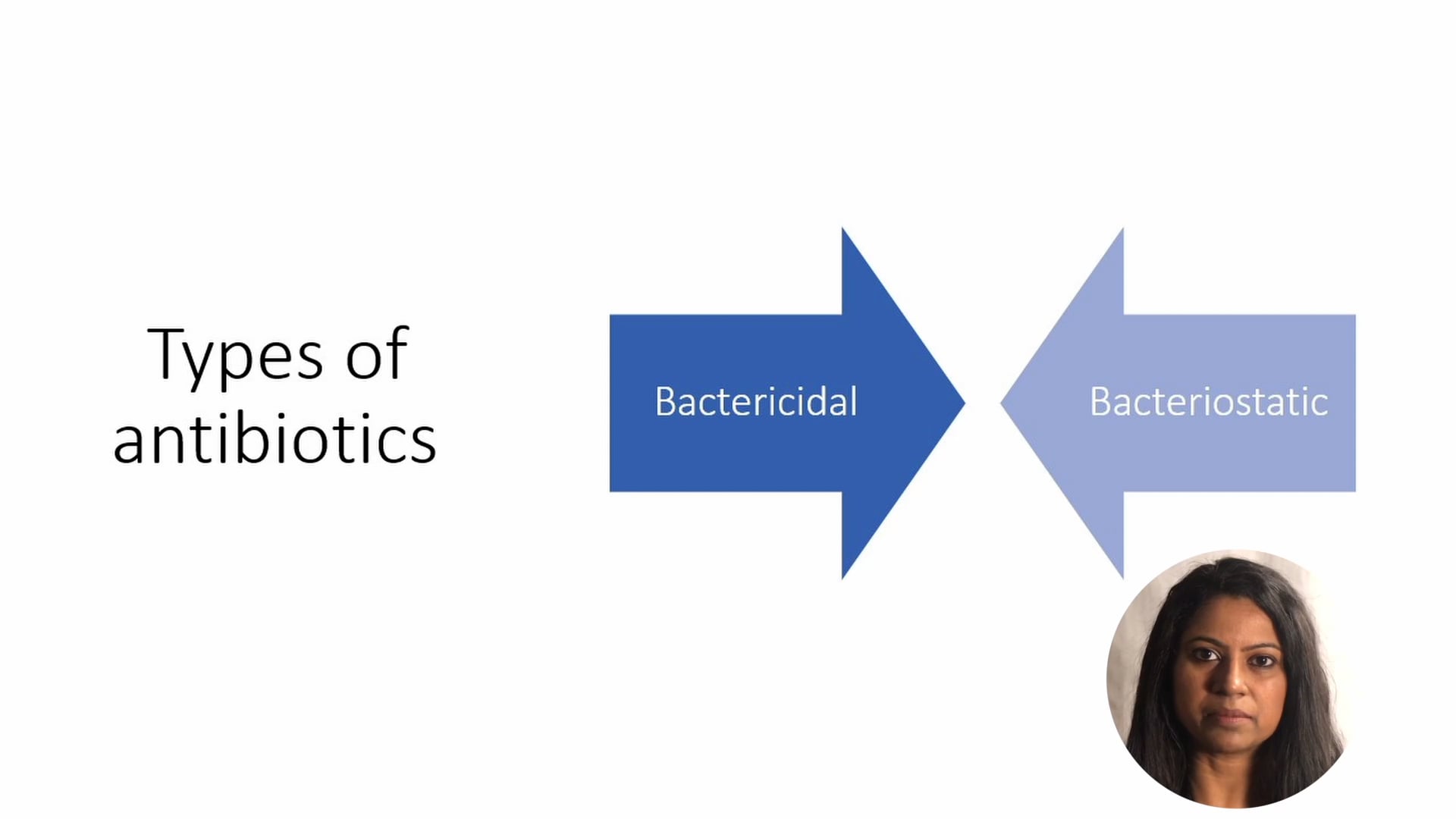
Antibiotics are grouped by target: cell wall, cell membrane, protein synthesis, DNA replication, mRNA synthesis, or folic acid metabolism, each with its own mechanism and drug examples.
Body fluid compartments
5:53
Fluid shifts between intracellular and extracellular compartments based on plasma osmolarity, contrasting burns and diarrhea with hypoaldosteronism and fever or diabetes insipidus.
Cerebrovascular disorders
5:00
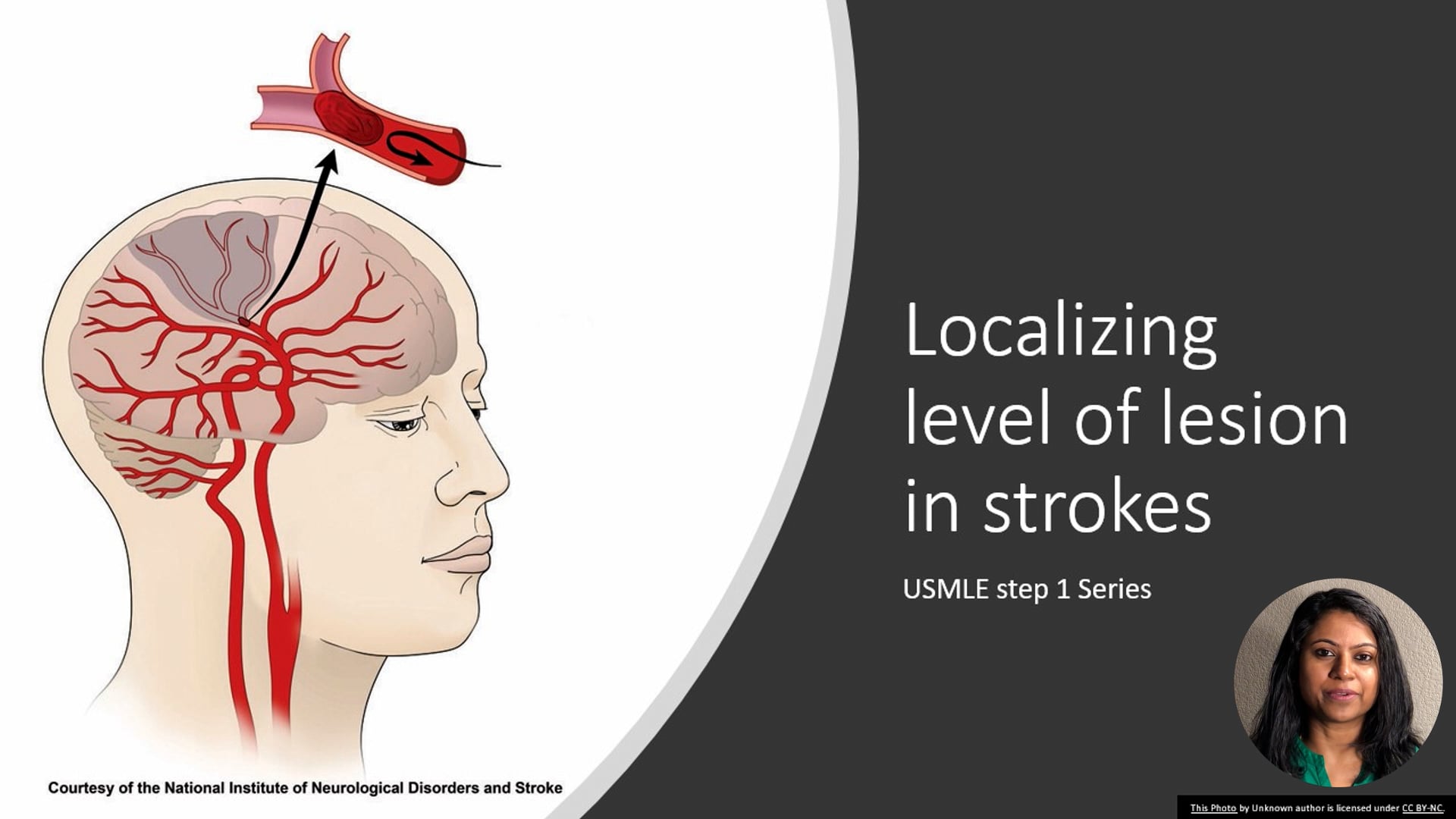
Localizes stroke lesions by signs: cortical artery territories, lacunar infarcts without cortical signs, and brainstem syndromes like lateral medullary and Weber syndrome with their cranial nerve patterns.
Neurodegenerative disorders and dementia
8:43
Alzheimer's disease is marked by amyloid plaques and tau tangles, while Parkinson's and Lewy body dementia differ by which symptom appears first.
Metabolic and demyelinating disorders
6:18
Telling causes of muscle weakness apart: neuropathies, neuromuscular junction disorders, myopathies and Guillain-Barré, by the pattern of weakness each causes.
Valvular heart disease
5:15
Cardiac tracings distinguish valve disorders: aortic stenosis splits LV and aortic peaks, while mitral stenosis keeps left atrial pressure elevated throughout.
Pnuemothorax
Pnuemothorax
4:33
Pneumothorax is distinguished into primary, secondary, traumatic, and tension types, with tension's one-way air flap causing tracheal deviation on x-ray.
Receiver operator curve
5:33
Plots sensitivity against false positive rate, using area under the curve to compare test accuracy and picking cutoffs based on disease severity and treatment cost.
Pharmacodynamics
Pharmacodynamics
6:33
Agonists, partial agonists, and inverse agonists differ in effect, while competitive and non-competitive antagonists change a drug's potency or efficacy.
Drugs affecting coagulation
4:50
Covers the four antiplatelet drug classes - COX, ADP, glycoprotein IIb/IIIa, and phosphodiesterase inhibitors - and how each blocks platelet aggregation, plus side effects like TTP with ticlopidine.
Acid-base disorders
Acid-base disorders
9:37
The four acid-base disorders are distinguished using anion gap, PaCO2, and bicarb values, then Winter's formula shows how to check whether compensation is partial, absent, or masking a second disorder.
Calcium homeostasis
Calcium homeostasis
7:02
Parathyroid hormone, calcitonin, and vitamin D regulation of calcium are traced, including PTH's RANKL-driven stimulation of osteoclasts and vitamin D's two-step hydroxylation to calcitriol.
Disorders of calcium metabolism
8:59
Primary, secondary, and tertiary hyperparathyroidism are told apart by their calcium and phosphate patterns despite all showing high PTH.
Immunodeficiency diseases
9:18
B cell, T cell, and combined immunodeficiencies differ by infection pattern, covering examples like IgA deficiency, DiGeorge syndrome, and SCID.
Analyzing common laboratory investigations
5:17
AST rises more in alcoholic liver disease, ALT more in infectious hepatitis, and lipase is more specific than amylase for pancreatitis.
Receptors
Receptors
7:09
Breaks down five receptor types, detailing GPCR G-alpha subtypes and second messengers, then shows desmopressin acting on V2 receptors in diabetes insipidus.
Renal clearance
Renal clearance
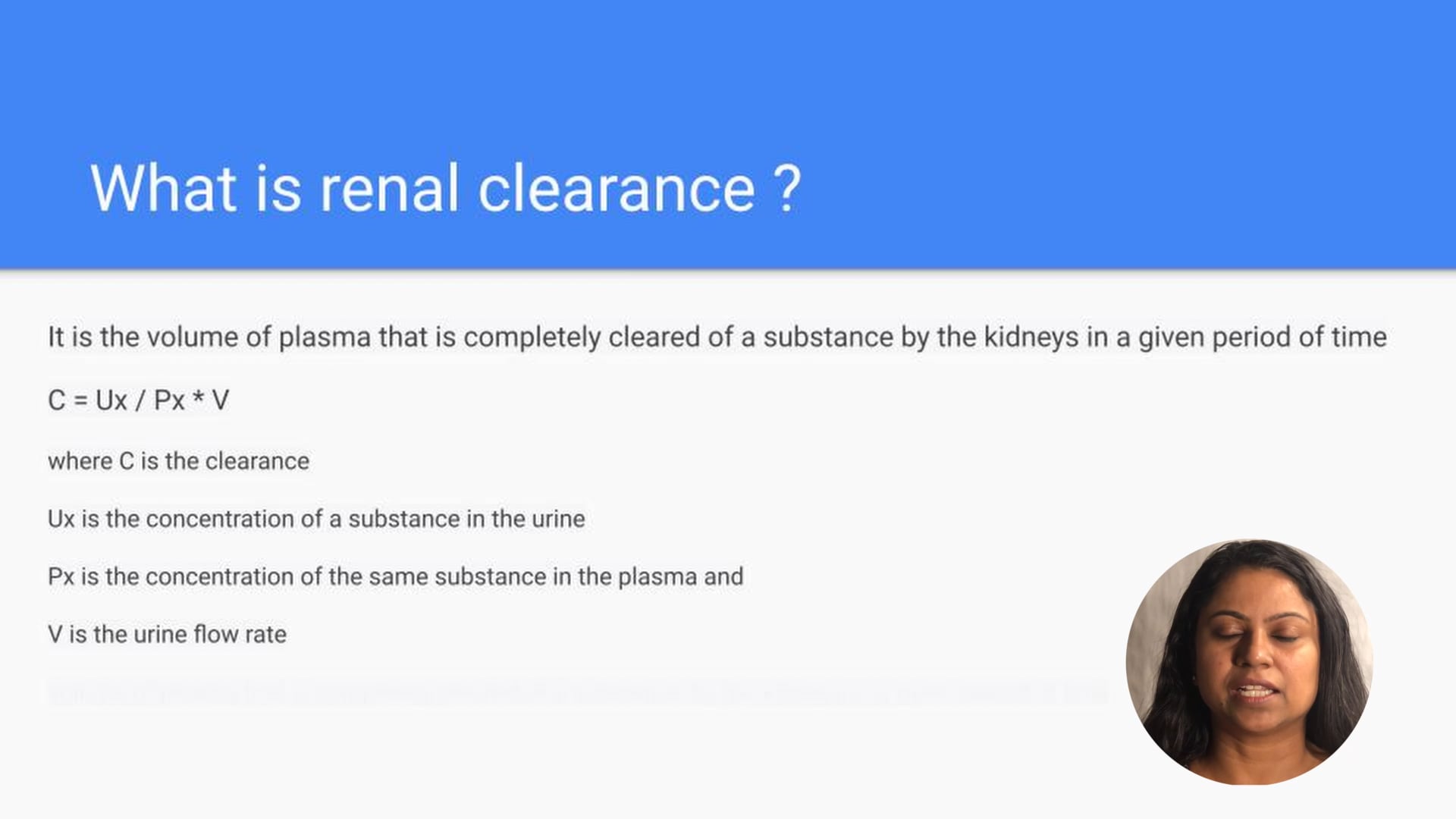
3:52
Renal clearance is the plasma volume cleared per time, compared for creatinine, inulin, and PAH to show filtration, reabsorption, and secretion effects.
Genetics and the Hardy Weinberg equation
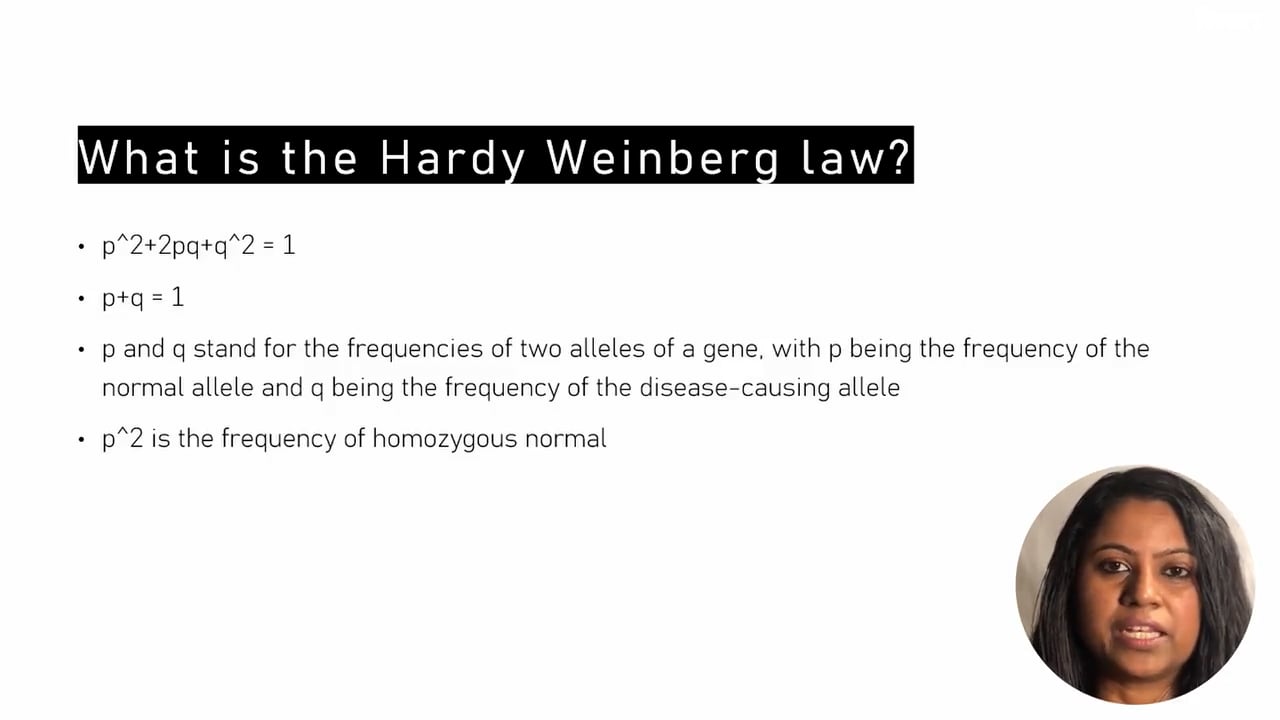
4:36
The Hardy-Weinberg equation p squared plus 2pq plus q squared equals 1 finds carrier frequency for autosomal recessive and X-linked recessive diseases.
Adverse effects of anti-psychotics
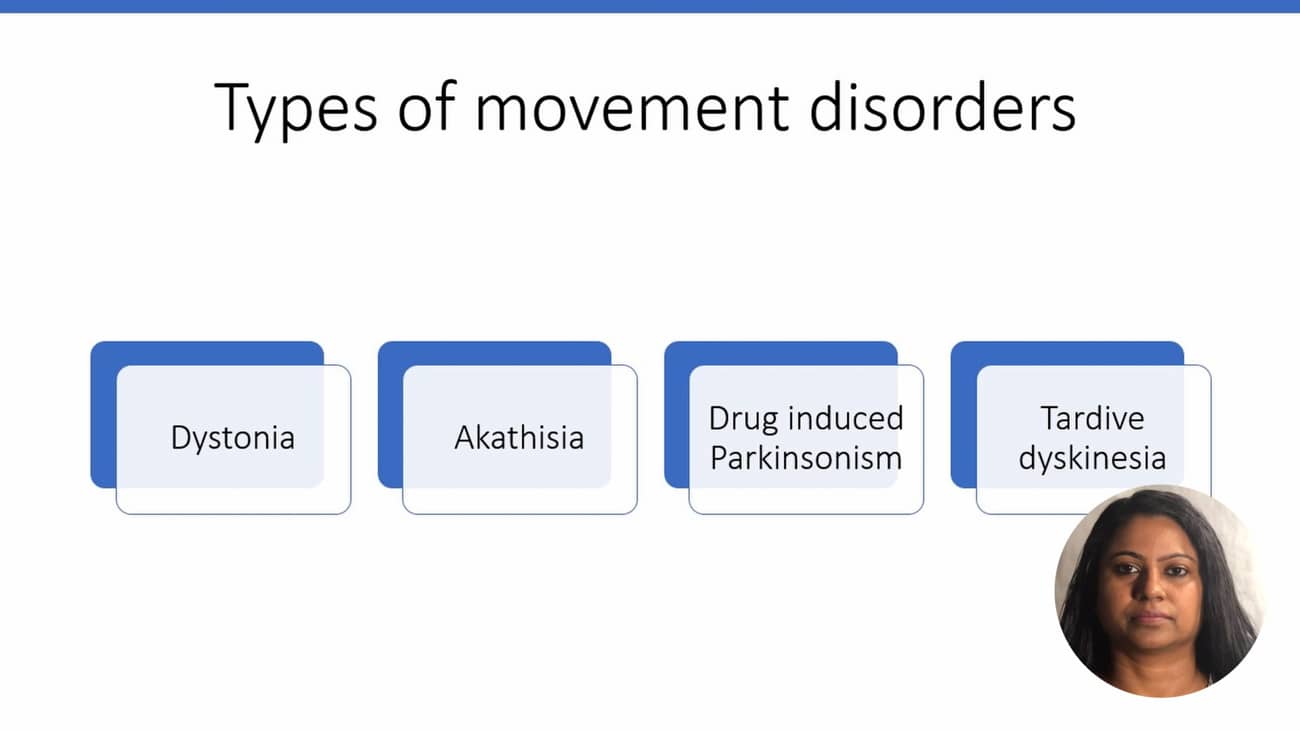
4:02
Antipsychotic movement disorders are distinguished by onset timing, from dystonia within hours to tardive dyskinesia's lip-smacking after years, each with its own treatment.
Nerve legions
Nerve legions
5:32
Five practice questions on nerve injuries, covering scaphoid fracture, axillary nerve damage from a humeral neck fracture, brachial plexus palsy, carpal tunnel sensory loss, and common peroneal nerve injury from a fibula fracture.
Aorta and branches
Aorta and branches
4:41
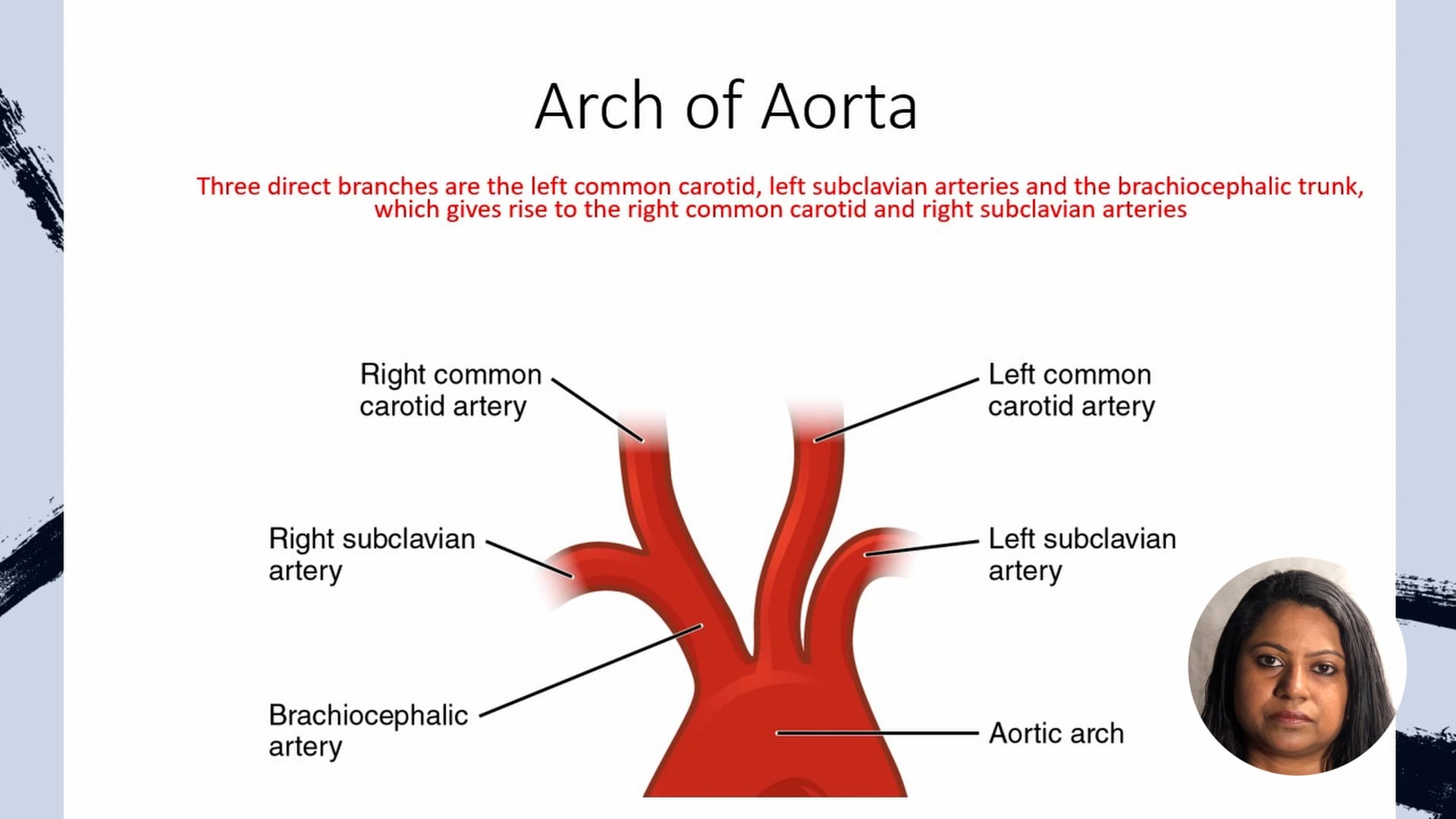
Traces the aorta's four segments and branches to the head, arms and abdomen, then covers subclavian steal syndrome's reversed flow and symptoms.
Types of study designs
5:01
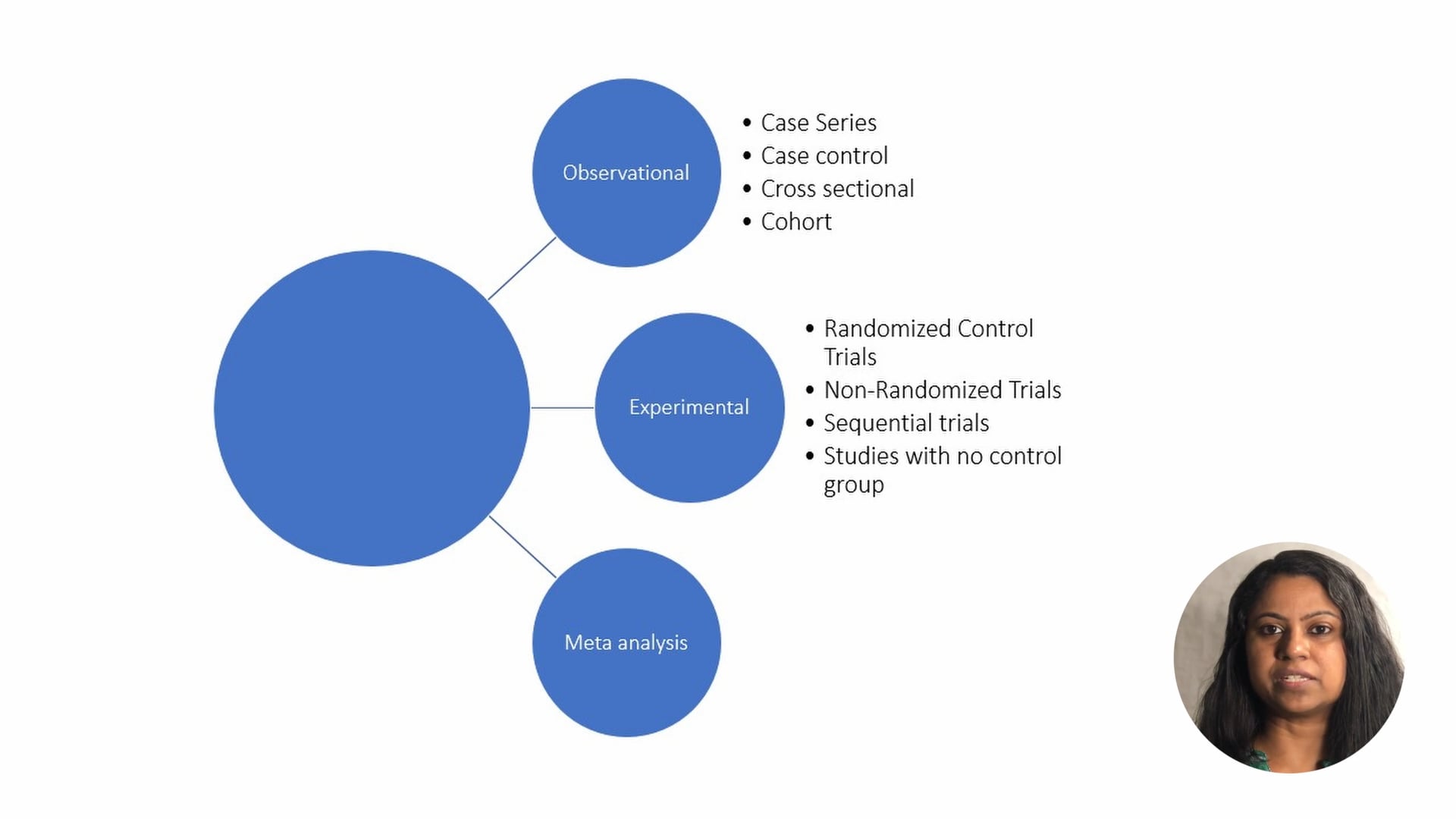
Distinguishes case control, cohort, and cross-sectional designs, showing cohorts group by exposure while case control groups by outcome. Walks through a chemical-exposure cohort example and a practice question applying the distinction.
USMLE Step 1 - Anatomy of the liver
5:55
The liver's eight functional segments, ligaments, and dual blood supply are mapped, then linked to why zone one is toxin-prone and zone three ischemia-prone.
USMLE Step 1 - Hormones of the gastrointestinal tract
3:27
Gastrin, CCK, secretin, and other gut hormones get paired with their triggers and actions, then linked to conditions like Zollinger-Ellison syndrome.
All rights reserved ©2016 - 2026 Achievable, Inc.