


Achievable logoAchievable logo
MBLEx
Sign in
Sign up
Purchase
Textbook
Practice exams
Support
How it works
Exam catalog
Mountain with a flag at the peak
Textbook
1. Anatomy and physiology
2. Kinesiology
3. Pathology & special populations
4. Benefits and effects
4.1 Learning targets
4.2 Muscle and circulatory system benefits
4.3 Mechanical and reflex effects
4.4 Strokes and heat and cold
4.5 Psychological benefits
5. Assessment and planning
6. Sandbox Folder
Achievable logoAchievable logo
4.4 Strokes and heat and cold
Achievable MBLEx
4. Benefits and effects
Our MBLEx course is currently in development and is a work-in-progress.

Strokes and heat and cold

7 min read
Font
Discuss
Share
Feedback
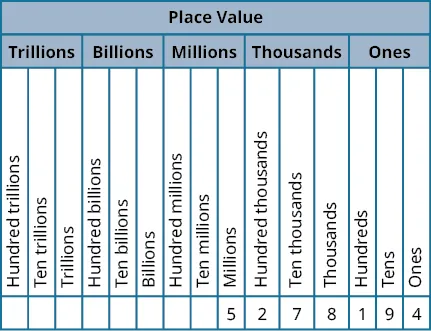
Place value table labeled trillions, billions, millions, thousands, and ones
Place value table
Prealgebra by OpenStax
/
CC BY 4.0

revised 2025-08-26 6:06:11 PM EDT

MBLEx questions may require you to match names and descriptions of types of strokes, as well as identify when a particular type of stroke is indicated for a specific client or treatment goal.

Effleurage

Effleurage is a foundational massage technique involving long, gliding strokes primarily performed with the hands. It is often used at the beginning and end of a Swedish or integrative massage session. Therapists use these strokes to warm the tissues, spread lubricant, and establish a calming connection with the client. Effleurage strokes follow the direction of blood flow toward the heart – centripetal movement – which promotes venous and lymphatic return… This technique can vary in pressure and speed, depending on what the client’s tissue is available for and the therapist’s intended effects (slow for relaxation, fast for “waking up” the nervous system).

Petrissage

Petrissage techniques involve rhythmic kneading, lifting, squeezing, and rolling of soft tissues to mobilize muscle and fascia, promote circulation, and release tension. They are typically performed using the hands, fingers, thumbs, or knuckles and are applied with moderate to deep pressure. Petrissage includes a number of techniques:

  • Kneading: The therapist alternately lifts and compresses tissue.
  • Compression: The therapist presses tissues against underlying structures, often releasing quickly.
  • Skin rolling: The skin and superficial fascia are gently lifted and rolled between the fingers to break down adhesions and mobilize connective tissue.
  • Wringing: Tissues are twisted in opposite directions to encourage fluid movement and tissue pliability.
  • Lifting: The therapist grasps and gently lifts muscles away from the bone

Friction

Friction techniques involve the application of deep, localized pressure using small, repetitive movements to target specific areas of tension, scar tissue, or adhesions within muscles and connective tissue. These techniques are designed to stimulate circulation and healing, reorganize scar tissue and other abnormal collagen formations, and restore mobility in injured or overused tissues. Friction is typically applied with the fingertips, thumbs, or elbows and is performed perpendicular or parallel to the muscle fibers, depending on the intended therapeutic effect. There are two specific friction techniques to know by name for the MBLEx:

  • Cross-fiber friction (a.k.a. transverse friction): Friction strokes are applied perpendicular to the direction of muscle or tendon fibers in order to break up adhesions, realign collagen fibers, and prevent scar tissue formation after injury. These strokes can be unidirectional or bidirectional.
  • Cyriax friction: Named after Dr. James Cyriax, this well-researched form of cross-fiber friction is used in orthopedic massage to treat tendon, ligament, and muscle injuries. It is a unidirectional deep cross-fiber friction stroke applied to injured soft tissue in the subacute or chronic phases of healing.

Tapotement / Percussion

Tapotement, also known as percussion, involves rhythmic, rapid striking or tapping motions applied to the surface of the body. These techniques are typically used to invigorate the nervous system, increase local circulation, loosen mucus in respiratory therapy, and temporarily increase tone in muscles. Tapotement is often applied at the end of a massage session to re-energize the client or during sports massage to prepare muscles for activity. The strikes should be light, quick, and controlled to prevent discomfort or bruising, especially over bony or sensitive areas. Common applications of tapotement include:

  • Cupping: Performed by shaping the hands into a cup and rhythmically striking the body, creating a hollow sound. This technique is often used to loosen mucus in the chest and stimulate circulation in larger areas of the limbs and back.
  • Slapping: Uses the flat, open hand to lightly and quickly strike the skin, producing a brisk, stimulating effect.
  • Tapping: A gentler percussion technique using the fingertips to lightly tap the skin, often used on sensitive areas such as the face, scalp, and joints.
  • Pounding: Involves striking the skin with the sides of loose fists, creating a deep, rhythmic pressure that penetrates into the muscles and helps relieve tension.
  • Hacking: A rapid, alternating motion using the pinky sides of relaxed hands, commonly applied to large muscle groups such as the back or thighs to stimulate nerve endings and muscle tone.
  • Pincement: A delicate plucking or pinching of the skin using the thumb and fingers, often used to gently stimulate the skin and underlying nerves.

Vibration

Vibration techniques in massage therapy involve the use of small, rapid, oscillating movements that stimulate or relax tissues, depending on the pressure, speed, and area treated. These techniques are often used to soothe the nervous system, stimulate circulation, and reduce muscle tension. They may be especially helpful when hypersensitive tissues have produced reflexive muscle guarding. Vibrations can be applied manually or with a device. The two most common types of manual vibration are:

  • Jostling: A vigorous shaking or bouncing of a limb or muscle group, typically performed by lifting and rhythmically shaking the body part. Jostling helps release tension and improve proprioception in the large muscle groups of the arms and legs.
  • Nerve stroke effleurage (a.k.a. feathering): A very light, gliding stroke typically performed with the fingertips as gentle repetitive motion over the skin. It is often used to calm the nervous system, provide a soothing transition between areas, and signal the completion of bodywork on a particular area.

Heat and cold applications

Heat and cold are commonly used in massage therapy to enhance therapeutic outcomes by influencing blood flow, neuromuscular activity, and tissue recovery. Each modality offers distinct benefits and may be chosen based on the client’s condition, the goals of the session, and the phase of injury or healing.

Applying heat – also known as thermotherapy – is typically used to relax muscles, improve circulation in superficial layers of fascia and muscle, and prepare tissues for deeper massage work. By increasing local blood flow (“vasodilation”), heat helps the body deliver oxygen and nutrients to tissues and facilitate the removal of metabolic waste. This can reduce muscle stiffness, ease joint restriction, and promote a general sense of comfort and relaxation. Heat application also stimulates the parasympathetic nervous system, helping to generate feelings of soothing and relaxation. Techniques such as hot stone massage, warm compresses, and hydrocollator packs are commonly employed to warm tissues before applying deeper or more targeted manual techniques. Clients may also be taught to safely self-administer heat at home.

In contrast, the application of cold – also known as cryotherapy – is primarily used to reduce inflammation, numb pain, and minimize tissue damage in acute or subacute conditions. Applying cold decreases local superficial blood flow through vasoconstriction, which helps limit swelling. Cold application also helps temporarily interrupt pain signals through its direct effects on the peripheral nervous system. Local cold applications should be limited to ten minutes or less. Full-body or full-limb immersion in cold also has the effect of sending blood circulation to deeper layers of tissue, as it restricts blood flow in superficial layers. Therefore alternating heat and cold application – also called contrast therapy – is an effective way to increase circulation throughout deep and superficial tissues. This can be useful in workout recovery as well as during the subacute stage of recovery from soft tissue injuries.

Effleurage

  • Long, gliding strokes with hands
  • Used to warm tissues, spread lubricant, calm client
  • Follows blood flow toward heart (centripetal); promotes venous/lymphatic return

Petrissage

  • Rhythmic kneading, lifting, squeezing, rolling of soft tissues
  • Mobilizes muscle/fascia, promotes circulation, releases tension
  • Includes: kneading, compression, skin rolling, wringing, lifting

Friction

  • Deep, localized pressure with small, repetitive movements
  • Targets tension, scar tissue, adhesions; stimulates healing and mobility
  • Types:
    • Cross-fiber (transverse) friction: perpendicular to fibers, breaks adhesions
    • Cyriax friction: unidirectional deep cross-fiber, for subacute/chronic injuries

Tapotement / Percussion

  • Rhythmic, rapid striking/tapping motions
  • Invigorates nervous system, increases circulation, loosens mucus, increases muscle tone
  • Techniques: cupping, slapping, tapping, pounding, hacking, pincement

Vibration

  • Small, rapid oscillating movements; can stimulate or relax tissues
  • Soothes nervous system, stimulates circulation, reduces muscle tension
  • Types:
    • Jostling: vigorous shaking/bouncing of limbs or muscles
    • Nerve stroke effleurage (feathering): very light, gliding fingertip strokes

Heat and cold applications

  • Heat (thermotherapy): relaxes muscles, increases superficial circulation (vasodilation), prepares tissues, promotes relaxation
    • Methods: hot stones, warm compresses, hydrocollator packs
  • Cold (cryotherapy): reduces inflammation, numbs pain, limits swelling (vasoconstriction)
    • Limit local application to 10 minutes or less
  • Contrast therapy: alternating heat and cold to increase circulation in deep/superficial tissues
Previous
Next  | 4.5 Psychological benefits
All rights reserved ©2016 - 2026 Achievable, Inc.

Strokes and heat and cold

revised 2025-08-26 6:06:11 PM EDT

MBLEx questions may require you to match names and descriptions of types of strokes, as well as identify when a particular type of stroke is indicated for a specific client or treatment goal.

Effleurage

Effleurage is a foundational massage technique involving long, gliding strokes primarily performed with the hands. It is often used at the beginning and end of a Swedish or integrative massage session. Therapists use these strokes to warm the tissues, spread lubricant, and establish a calming connection with the client. Effleurage strokes follow the direction of blood flow toward the heart – centripetal movement – which promotes venous and lymphatic return… This technique can vary in pressure and speed, depending on what the client’s tissue is available for and the therapist’s intended effects (slow for relaxation, fast for “waking up” the nervous system).

Petrissage

Petrissage techniques involve rhythmic kneading, lifting, squeezing, and rolling of soft tissues to mobilize muscle and fascia, promote circulation, and release tension. They are typically performed using the hands, fingers, thumbs, or knuckles and are applied with moderate to deep pressure. Petrissage includes a number of techniques:

  • Kneading: The therapist alternately lifts and compresses tissue.
  • Compression: The therapist presses tissues against underlying structures, often releasing quickly.
  • Skin rolling: The skin and superficial fascia are gently lifted and rolled between the fingers to break down adhesions and mobilize connective tissue.
  • Wringing: Tissues are twisted in opposite directions to encourage fluid movement and tissue pliability.
  • Lifting: The therapist grasps and gently lifts muscles away from the bone

Friction

Friction techniques involve the application of deep, localized pressure using small, repetitive movements to target specific areas of tension, scar tissue, or adhesions within muscles and connective tissue. These techniques are designed to stimulate circulation and healing, reorganize scar tissue and other abnormal collagen formations, and restore mobility in injured or overused tissues. Friction is typically applied with the fingertips, thumbs, or elbows and is performed perpendicular or parallel to the muscle fibers, depending on the intended therapeutic effect. There are two specific friction techniques to know by name for the MBLEx:

  • Cross-fiber friction (a.k.a. transverse friction): Friction strokes are applied perpendicular to the direction of muscle or tendon fibers in order to break up adhesions, realign collagen fibers, and prevent scar tissue formation after injury. These strokes can be unidirectional or bidirectional.
  • Cyriax friction: Named after Dr. James Cyriax, this well-researched form of cross-fiber friction is used in orthopedic massage to treat tendon, ligament, and muscle injuries. It is a unidirectional deep cross-fiber friction stroke applied to injured soft tissue in the subacute or chronic phases of healing.

Tapotement / Percussion

Tapotement, also known as percussion, involves rhythmic, rapid striking or tapping motions applied to the surface of the body. These techniques are typically used to invigorate the nervous system, increase local circulation, loosen mucus in respiratory therapy, and temporarily increase tone in muscles. Tapotement is often applied at the end of a massage session to re-energize the client or during sports massage to prepare muscles for activity. The strikes should be light, quick, and controlled to prevent discomfort or bruising, especially over bony or sensitive areas. Common applications of tapotement include:

  • Cupping: Performed by shaping the hands into a cup and rhythmically striking the body, creating a hollow sound. This technique is often used to loosen mucus in the chest and stimulate circulation in larger areas of the limbs and back.
  • Slapping: Uses the flat, open hand to lightly and quickly strike the skin, producing a brisk, stimulating effect.
  • Tapping: A gentler percussion technique using the fingertips to lightly tap the skin, often used on sensitive areas such as the face, scalp, and joints.
  • Pounding: Involves striking the skin with the sides of loose fists, creating a deep, rhythmic pressure that penetrates into the muscles and helps relieve tension.
  • Hacking: A rapid, alternating motion using the pinky sides of relaxed hands, commonly applied to large muscle groups such as the back or thighs to stimulate nerve endings and muscle tone.
  • Pincement: A delicate plucking or pinching of the skin using the thumb and fingers, often used to gently stimulate the skin and underlying nerves.

Vibration

Vibration techniques in massage therapy involve the use of small, rapid, oscillating movements that stimulate or relax tissues, depending on the pressure, speed, and area treated. These techniques are often used to soothe the nervous system, stimulate circulation, and reduce muscle tension. They may be especially helpful when hypersensitive tissues have produced reflexive muscle guarding. Vibrations can be applied manually or with a device. The two most common types of manual vibration are:

  • Jostling: A vigorous shaking or bouncing of a limb or muscle group, typically performed by lifting and rhythmically shaking the body part. Jostling helps release tension and improve proprioception in the large muscle groups of the arms and legs.
  • Nerve stroke effleurage (a.k.a. feathering): A very light, gliding stroke typically performed with the fingertips as gentle repetitive motion over the skin. It is often used to calm the nervous system, provide a soothing transition between areas, and signal the completion of bodywork on a particular area.

Heat and cold applications

Heat and cold are commonly used in massage therapy to enhance therapeutic outcomes by influencing blood flow, neuromuscular activity, and tissue recovery. Each modality offers distinct benefits and may be chosen based on the client’s condition, the goals of the session, and the phase of injury or healing.

Applying heat – also known as thermotherapy – is typically used to relax muscles, improve circulation in superficial layers of fascia and muscle, and prepare tissues for deeper massage work. By increasing local blood flow (“vasodilation”), heat helps the body deliver oxygen and nutrients to tissues and facilitate the removal of metabolic waste. This can reduce muscle stiffness, ease joint restriction, and promote a general sense of comfort and relaxation. Heat application also stimulates the parasympathetic nervous system, helping to generate feelings of soothing and relaxation. Techniques such as hot stone massage, warm compresses, and hydrocollator packs are commonly employed to warm tissues before applying deeper or more targeted manual techniques. Clients may also be taught to safely self-administer heat at home.

In contrast, the application of cold – also known as cryotherapy – is primarily used to reduce inflammation, numb pain, and minimize tissue damage in acute or subacute conditions. Applying cold decreases local superficial blood flow through vasoconstriction, which helps limit swelling. Cold application also helps temporarily interrupt pain signals through its direct effects on the peripheral nervous system. Local cold applications should be limited to ten minutes or less. Full-body or full-limb immersion in cold also has the effect of sending blood circulation to deeper layers of tissue, as it restricts blood flow in superficial layers. Therefore alternating heat and cold application – also called contrast therapy – is an effective way to increase circulation throughout deep and superficial tissues. This can be useful in workout recovery as well as during the subacute stage of recovery from soft tissue injuries.

Key points

Effleurage

  • Long, gliding strokes with hands
  • Used to warm tissues, spread lubricant, calm client
  • Follows blood flow toward heart (centripetal); promotes venous/lymphatic return

Petrissage

  • Rhythmic kneading, lifting, squeezing, rolling of soft tissues
  • Mobilizes muscle/fascia, promotes circulation, releases tension
  • Includes: kneading, compression, skin rolling, wringing, lifting

Friction

  • Deep, localized pressure with small, repetitive movements
  • Targets tension, scar tissue, adhesions; stimulates healing and mobility
  • Types:
    • Cross-fiber (transverse) friction: perpendicular to fibers, breaks adhesions
    • Cyriax friction: unidirectional deep cross-fiber, for subacute/chronic injuries

Tapotement / Percussion

  • Rhythmic, rapid striking/tapping motions
  • Invigorates nervous system, increases circulation, loosens mucus, increases muscle tone
  • Techniques: cupping, slapping, tapping, pounding, hacking, pincement

Vibration

  • Small, rapid oscillating movements; can stimulate or relax tissues
  • Soothes nervous system, stimulates circulation, reduces muscle tension
  • Types:
    • Jostling: vigorous shaking/bouncing of limbs or muscles
    • Nerve stroke effleurage (feathering): very light, gliding fingertip strokes

Heat and cold applications

  • Heat (thermotherapy): relaxes muscles, increases superficial circulation (vasodilation), prepares tissues, promotes relaxation
    • Methods: hot stones, warm compresses, hydrocollator packs
  • Cold (cryotherapy): reduces inflammation, numbs pain, limits swelling (vasoconstriction)
    • Limit local application to 10 minutes or less
  • Contrast therapy: alternating heat and cold to increase circulation in deep/superficial tissues

More from Benefits and effects

  • Learning targets
  • Muscle and circulatory system benefits
  • Mechanical and reflex effects
  • Psychological benefits