



Job order costing: system overview and cost flows
Learning outcome statements
The learning outcome statements relevant for this section are:
- define the nature of the system, understand the cost flows of the system, and identify its appropriate use
- calculate inventory values and cost of goods sold
- demonstrate an understanding of the proper accounting for normal and abnormal spoilage
- discuss the strategic value of cost information regarding products and services, pricing, overhead allocations, and other issues
- identify and describe the benefits and limitations of each cost accumulation system
Introduction
In managerial and cost accounting, the selection of an appropriate costing system depends largely on the nature of the production process and the level of product customization. Job order costing is a fundamental method used when products or services are produced in distinguishable, separate units, each with potentially unique requirements. Unlike process costing, which is suited for continuous and homogeneous production, job order costing is designed for environments where output is customized, projects vary in scope, or batches differ significantly.
This system is most commonly used in industries such as construction, aerospace, consulting, advertising, custom furniture manufacturing, and legal services where each contract, client, or batch may demand a unique combination of materials, labor, and overhead. In these cases, it becomes critical to track costs on a per-job basis to determine profitability, control spending, and inform pricing decisions.
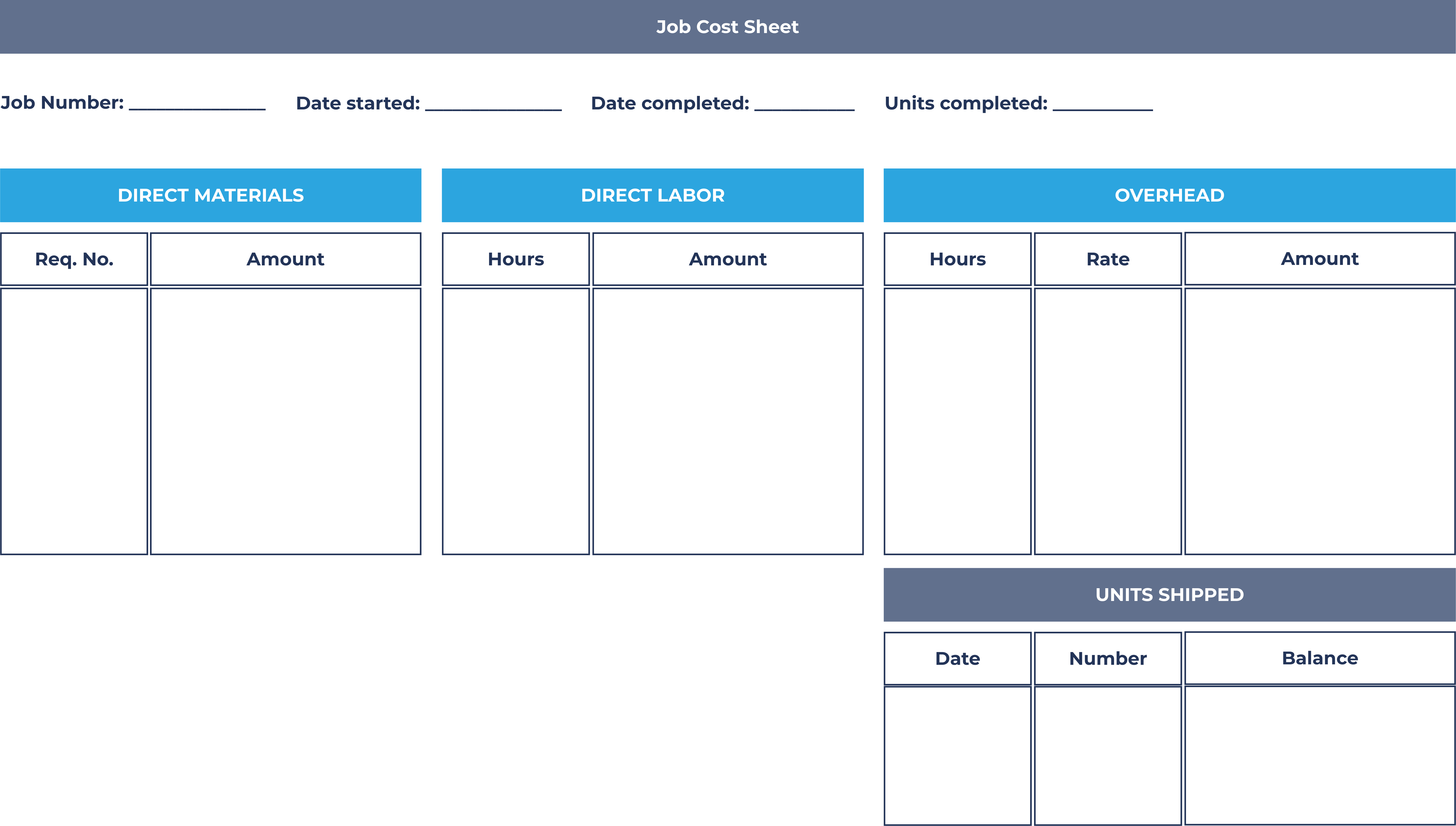
A hallmark of job order costing is its detailed documentation: costs are traced to individual job cost sheets, which accumulate direct materials, direct labor, and applied manufacturing overhead specific to each job. These sheets serve not only as internal control tools but also as vital inputs to management reporting and strategic decision-making.
Understanding job order costing is essential for financial professionals working in environments where customer requirements vary and pricing precision is necessary. As we move through this chapter, we will explore how costs flow through the accounting system under this model, how inventory and spoilage are handled, and how cost data is used to support business strategy.
Definition and nature of the system
Under this system, each job is treated as a unique cost object, and all costs (i.e. direct materials, direct labor, and a portion of manufacturing overhead) are recorded separately for that job. This enables organizations to determine the exact cost of fulfilling a specific customer order or completing a particular project.
Job order costing is appropriate when:
- Production is customized, non-repetitive, or performed in distinct batches.
- Jobs vary significantly in scope, materials used, and labor requirements.
- Accurate cost traceability to individual products or clients is essential.
Each job is assigned a unique job number, and costs are documented on a job cost sheet. This cost sheet serves as the basis for inventory valuation, billing, performance assessment, and profitability analysis.
In these environments, no two jobs are exactly alike which makes job order costing the most suitable method for capturing and reporting production costs.
Job order costing provides management with highly detailed cost data. This allows the company to achieve some strategic relevance through:
- Accurate quoting and bidding on future projects
- Monitoring of job profitability
- Informed resource allocation and pricing decisions
- Enhanced budget control and operational transparency
Cost flows and accounting entries
In a job order costing system, costs are tracked and accumulated as they flow through the production process: from raw materials to work-in-process (WIP), then to finished goods, and finally into cost of goods sold (COGS) once the goods are delivered or sold.
Each job is assigned a Job Cost Sheet, where all direct materials, direct labor, and applied overhead are recorded. This sheet becomes the central source of cost tracking for managerial review and financial reporting.
The following shows the journal entries in a job order costing system. You will see that they follow the standard journal entries except that costs are tracked per job. We will discuss the application of overhead (Journal Entry 6) in the next section about cost computations under the job order costing.
| Transaction | Debit | Credit |
| 1. Purchase of raw materials | Raw Materials Inventory | Accounts Payable / Cash |
| 2. Issuance of direct materials to a job | Work-in-Process (WIP) Inventory
(Job Specific) |
Indirect Materials Inventory |
| 3. Issuance of indirect materials | Manufacturing Overhead | Raw Materials Inventory |
| 4. Direct labor costs assigned to a job | Work-in-Process (WIP) Inventory
(Job Specific) |
Wages Payable |
| 5. Indirect labor costs | Manufacturing Overhead | Wages Payable |
| 6. Application of overhead to jobs | Work-in-Process (WIP) Inventory
(Job Specific) |
Manufacturing Overhead Applied |
| 7. Completion of a job | Finished Goods Inventory | Work-in-Process (WIP) Inventory
(Job Specific) |
| 8. Sale of completed job (cost portion) | Cost of Goods Sold (COGS) | Finished Goods Inventory |
Job order costing revolves around assigning costs to individual jobs. Therefore, when recording entries for:
- Direct materials
- Direct labor
- Applied overhead
- Job completion
You must indicate which job the entry pertains to, either in the journal entry description, job cost sheet, or subledger.