



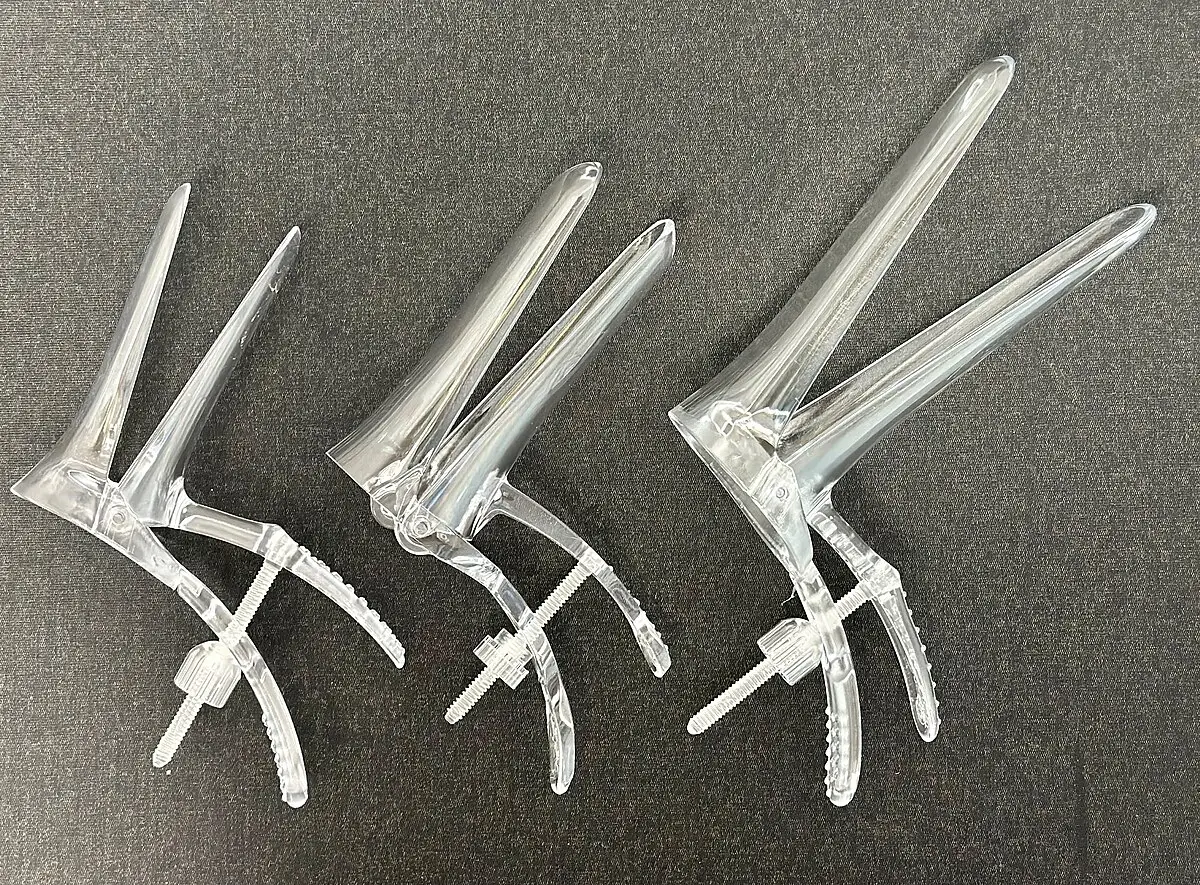
Medical assistant's role in gynecologic examinations: setup and preparation
In this section, we discuss the medical assistant’s role in gynecologic and obstetric procedures. A medical assistant has two roles in these situations:
- Assist the provider in any way needed
- Be there for the patient by helping her to be as comfortable as possible during her time in the healthcare facility
When we make the patient feel comfortable, we help establish a trusting relationship with her. This enables her to share the information the provider needs to give her the best possible care.
Assisting with the gynecologic examination
The need for an annual pelvic examination is being debated in the medical community. Currently, the American College of Obstetricians and Gynecologists (ACOG) recommends that pelvic and breast examinations be performed when indicated by medical history or symptoms. This examination is done to evaluate the reproductive organs and diagnose and treat any abnormalities of those organs.
A breast examination is considered part of the gynecologic examination. A clinical breast examination should be done every 1 to 3 years. The provider examines the breast, underarm area, and just below the clavicle.
Setting up for a gynecologic examination
A medical assistant is responsible for setting up the examination room and making sure that all of the supplies are available for a gynecologic examination. The following is a list of supplies needed for a routine gynecologic examination:
- Patient’s health record
- Laboratory requisition slips
- Patient gown and drape
- Lubricant
- Examination light
- Cervical spatula or cytobrush
- Microscope slides (direct smear method)
- Fixative (direct smear method)
- Plastic-fronded broom (liquid-based method)
- Liquid preparation container (liquid-based method)
- Vaginal speculum
- Sterile swabs
- Fecal occult blood test cards with developer
- Biohazard waste container
All items should be placed within easy reach for the provider and organized in a logical manner.
Preparation for the gynecologic examination
At the time the appointment was made, the patient should have been advised not to douche or have sexual intercourse for 24 hours before the examination. This allows the vaginal discharge to be properly evaluated and ensures accurate results of cytologic studies. Before the provider begins the pelvic examination, the medical assistant should obtain a complete gynecologic history. After documenting the patient’s history and chief complaint, the medical assistant prepares the room and then the patient for the examination. The patient is draped and placed in the dorsal lithotomy position only once the provider is ready to begin, so she isn’t left exposed and uncomfortable any longer than necessary.
The following should be included in the gynecologic history:
- Age at menarche
- Details about the regularity of the menstrual cycle, the amount and duration of menstrual flow, and a history of menstrual disturbances and their treatment
- Any current indicators of infection, including vaginal discharge, pelvic pain, and urinary difficulties
- Description of any breast abnormalities and the date of the patient’s last mammogram
- Date of the last Pap test
- Sexual history; sexually transmitted infection (STI) history
- Number of times pregnant and the number of pregnancies carried to more than 20 weeks
- Date of last menstrual period (LMP)
- Lifestyle factors, including diet, exercise, smoking, and alcohol use