



Specimen collection, processing, and storage
In the clinical laboratory setting, the medical assistant could be responsible for the specimen collection, processing, and storage. If any of those steps are done incorrectly, it can impact the results of the ordered tests. The following sections discuss those very important steps.
Laboratory requisitions and reports
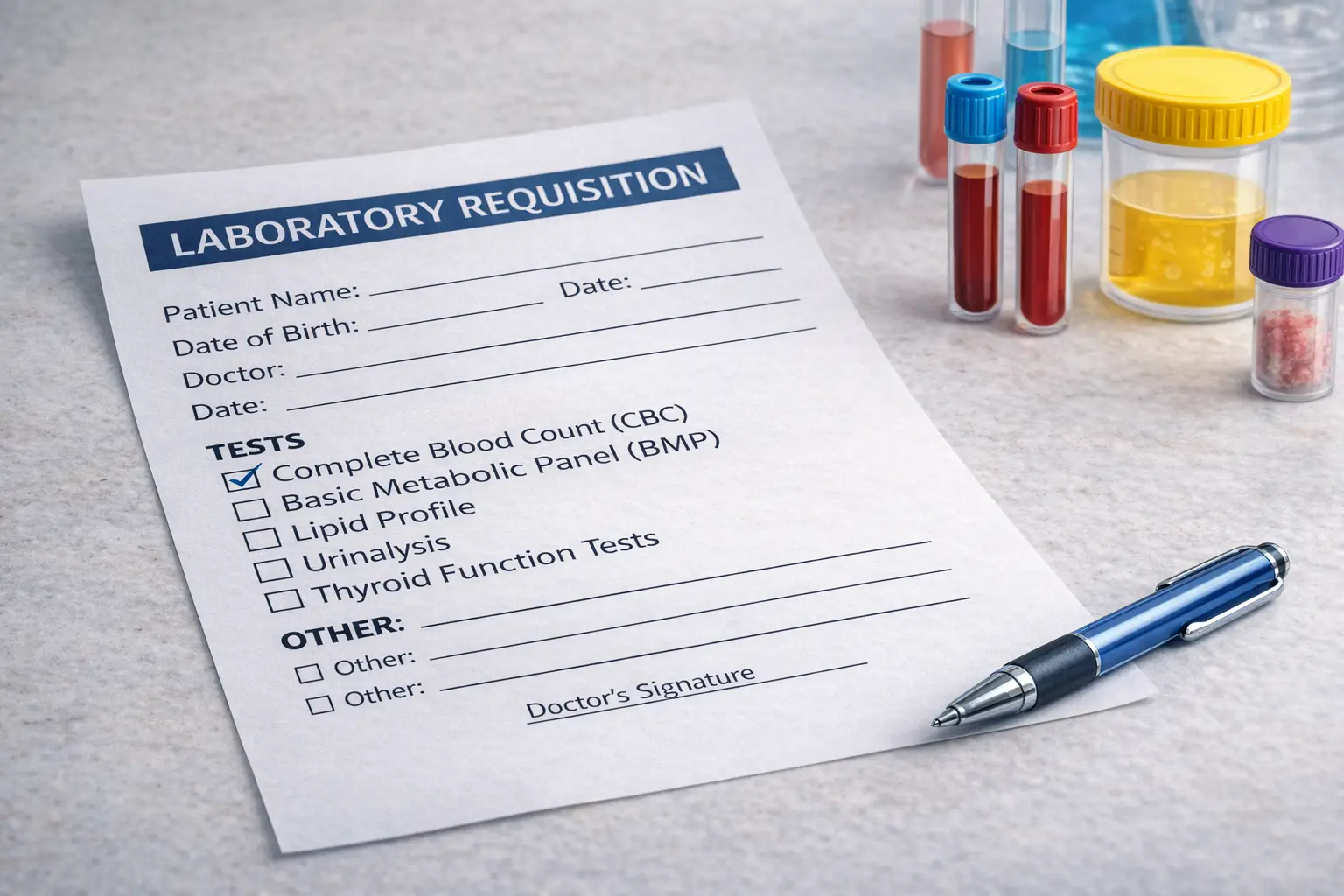
When the provider orders laboratory testing, an electronic or paper requisition must be generated. Patient information on the requisitions must be complete, accurate, and legible. The patient is then directed to the POL, or the specimen is collected, prepared, and sent to an outside laboratory.
The following information typically is required on the requisition when specimens are sent to a reference laboratory:
- Provider’s name, account number, address, and phone number
- Patient’s full name, age, date of birth, gender, address, and insurance information
- Source of specimen
- Date and time of collection, and initials of the person collecting the specimen
- Specific test (or tests) requested
- Medications the patient is taking
- Whether the patient fasted or followed dietary restrictions if required, time of last intake
- Possible diagnosis
- Indication of whether the test is to be performed STAT
When the results of the tests are obtained, a laboratory report is sent to the office. The laboratory reports can be sent in two ways:
- Directly from the referral laboratory to the patient’s EHR
- Electronically to the facility; then staff members upload the electronic document to the EHR or print it out for the paper medical record
A medical assistant is frequently responsible for making sure that all outside laboratory reports have been received and given to the provider for review. Testing results cannot be given to a patient until the provider has reviewed them. Any testing that is completed outside the POL at a reference lab must be tracked. This can be done by maintaining a master laboratory specimen log sheet or electronic file. This tracks patient specimens, tests ordered, designated lab results, and the provider’s response.
Specimen collection
The medical assistant is responsible for the collection of many different types of specimens. It is important to recognize that laboratory results are only as good as the specimen collected. The importance of proper specimen collection cannot be overemphasized. To ensure that test results are accurate indicators of the patient’s state of health, it is critical that proper specimen collection procedures are understood and followed exactly. The most common specimens are blood, urine, and swab samples collected from wounds or mucous membranes. Specimens that may be collected less frequently include feces, gastric contents, CSF, tissue samples, semen, and aspirates.
Verifying the patient’s identity before specimen collection is a critical step in the collection process. Patient identification should follow the written procedure for your institution. Using a minimum of two patient identifiers before specimen collection is standard. If the patient is not identified properly, the laboratory results that are generated will be useless.
Proper choice of a specimen container
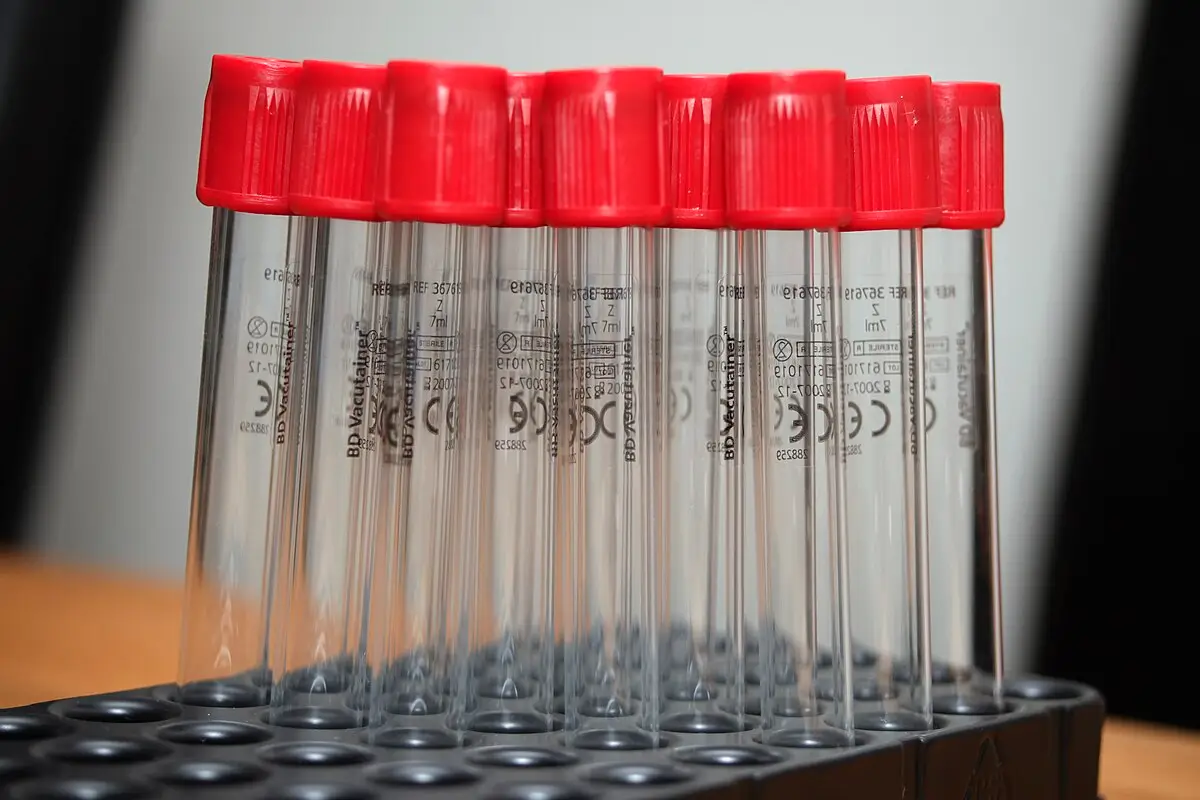
Another important step in specimen collection is the proper choice of a specimen container or collection tubes. For example, blood may be collected using a vacuum tube system. Blood collection tubes are available in a variety of sizes, depending on the collection needs. Blood collection tubes are also available with and without preservatives and anticoagulants. The tube stoppers are color coded. The color of the stopper indicates which additive is present, if any. Collection in an incorrect colored tube may result in an unacceptable specimen, and re-collection may be necessary.
If a specimen will be tested for the presence of microorganisms, a sterile container must be used. When a non sterile container is used, it could cause contamination of the specimen. If patients are to collect the specimen at home, they should be provided with the appropriate container and complete instructions for collection. Patient education is an important role for the medical assistant. Each patient should receive clear instructions for proper home collection. Make sure your patients listen to the directions and ask them to repeat the instructions back to you so that you know they understand the information. Remember to be sensitive to individual patient factors (e.g., hearing, sight, primary language, cognitive capacity). These can affect the patient’s understanding of the instructions, as well as his or her ability to follow through. Giving patients written directions to take home can also be helpful and reassuring.
Labeling
The specimen container or collection tube must be labeled properly at the time of collection. Unlabeled containers are not acceptable for laboratory testing and must be rejected. When labeling a sample container or collection tube, make sure you only use a black waterproof marker or pen, never pencil! All labels should include the following information, at a minimum:
- Patient’s name: surname, first name, then middle initial
- Identification number
- Date (MM/DD/YYYY) and time of collection
- Specimen type
- Phlebotomist’s or collector’s initials
If affixing a computer-generated label, make sure to write the time and initial the specimen after the collection has been completed.
Preventing contamination
Medical assistants must take care to prevent the contamination of specimens and themselves. Expiration dates on swabs, tubes, transport media, and other collection containers should be checked before the items are used. Any expired materials should not be used and should be properly discarded. An improperly handled specimen may become contaminated or may contaminate the surrounding environment. Standard Precautions should be followed. Blood and body fluids from all patients should be considered infectious.
The specimen collected must be a true representative sample. A swab for a wound culture collected from the surface of the wound generally does not yield the same results as one taken from the depths of the wound. A hemolyzed blood specimen shows marked differences in many tests. If a large volume of specimen is collected (e.g., a 24-hour urine specimen), the total volume or weight must be carefully measured and recorded. The specimen must be well mixed before an aliquot is removed and submitted for testing.
Handling, processing, and storing specimens
Specimens must be handled, processed, and stored according to test manufacturer’s guidelines to prevent any changes that would affect test results. In Chapters 31 through 35, specimen handling, processing, and storage are discussed for each specific area of the laboratory. Each department in the lab has unique testing and specimen requirements. Some general guidelines to keep in mind include the following:
- The storage temperature of the specimen should follow manufacturer’s testing requirements.
- Serum must be separated from red blood cells as soon as possible after the specimen has clotted to prevent changes caused by the metabolism of the blood cells.
- Specimens for chemistry and liver panels may need to be protected from light.
- Specimens may need to be frozen to prevent chemical constituents from changing. Follow manufacturer’s guidelines for freezing a specimen.
- Manufacturers’ package inserts or reference laboratory specimen requirements should be consulted to ensure that each specimen is handled and processed properly.
Using reference laboratories
The medical assistant should always check the laboratory’s specimen requirements manual or reference laboratory website for any unfamiliar tests. A clear understanding of the specimen and collection requirements is very important. Any unanswered questions should be resolved by calling the reference laboratory before collecting the specimen.
Most offices have a laboratory courier service that picks up specimens periodically throughout the day. Specimens should be properly stored (some may require refrigeration) until the courier arrives. Instructions for properly obtaining, processing, and preparing a specimen for transport are usually supplied by the testing laboratory. If the instructions are not clear, or if you have a question about a particular test collection, the reference laboratory should be able to answer the question over the phone. Criteria for safe shipping of specimens include the following:
- Length of time acceptable for transport
- Recommended temperature range to maintain the specimen
- Appropriate material packaging if the specimen needs to be protected from light
If the specimen is to be mailed, it must be carefully packaged to prevent breakage, damage, or contamination during handling. Follow the instructions for transport supplied by the reference laboratory. Do not ship specimens without proper packaging and labeling as specified by the test laboratory.
Chain of custody
When a specimen may be needed as evidence in a court case, certain procedures must be followed when collecting and handling the specimen. Forensic or legal specimens should be collected, handled, and stored in a manner consistent with established standards designated by law. Specimen processing must be documented precisely, ensuring no tampering with evidence has occurred. Chain of custody refers to the stepwise method used to collect, process, and test a specimen. The documentation must be signed by every person who had any contact with the specimen, from collection to the final reporting of results. Blood alcohol level testing and drug screening often require chain of custody handling. Everything needed for the collection of the specimen is provided in a kit: the gloves, the vacuum tube, and the needle used to collect the blood specimen. Documentation is included and must be signed by all personnel. Medical assistants and phlebotomists can be subpoenaed to testify in court about specimens they have collected. It is always in your best interest to follow chain of custody procedures exactly.