


Achievable logoAchievable logo
CCMA
Sign in
Sign up
Purchase
Textbook
Practice exams
Support
How it works
Exam catalog
Mountain with a flag at the peak
Textbook
1. Medical assistant
2. Electronic records
3. Medical terminology and anatomy
4. The fundamentals of infection control
5. Introduction to vital signs
6. The patient interview and history
7. The physical examination
8. Appointment scheduling
9. Insurance billing
10. Diagnostic coding and the ICD-10-CM System
11. Procedural coding
12. Medical billing and reimbursement essentials
12.1 Medical billing and reimbursement essentials introduction
12.2 Insurance determination and CMS-1500 blocks 1–23
12.3 Submitting and completing health insurance claims
12.4 The impact of accurate coding
12.5 Interpreting and resolving claim outcomes
12.6 The patient’s financial responsibility
13. Assisting with medical specialties
14. Assisting with the musculoskeletal system
15. Assisting with the cardiovascular system
16. Assisting with the respiratory system
17. Assisting with the nervous system
18. Anatomy and physiology of the urinary system
19. Assisting in obstetrics and gynecology
20. Assisting in endocrinology
21. Assisting in ophthalmology & otolaryngology
22. Assisting in gastroenterology
23. Assisting in the immune & lymphatic systems
24. Assisting in pediatrics: the developmental stages and care
25. The medical assistant’s role in caring for the older patient
26. The role of the medical assistant in physical therapy examination and assessment
27. Preparing for minor surgery: room, solutions, and supplies
28. Introduction to the clinical laboratory
29. Urinalysis
30. Blood collection
31. Analysis of blood
32. Electrocardiography and heart structure
33. The principles of pharmacology
34. Essential calculations and measurement systems
35. Solid, liquid, & solutions medication doses
36. Administering medications
37. Metabolism and core nutrient roles
38. Medical emergencies in the healthcare setting
Achievable logoAchievable logo
12.1 Medical billing and reimbursement essentials introduction
Achievable CCMA
12. Medical billing and reimbursement essentials
Our CCMA course is currently in development and is a work-in-progress.

Medical billing and reimbursement essentials introduction

8 min read
Font
Discuss
Share
Feedback

The Medical billing process

Medical billing and reimbursement represent the financial lifeline of the healthcare facility. Collecting accurate patient health insurance information is essential to submitting accurate health insurance claims. Each health insurance company has its own claims submission policies and procedures for timely reimbursement. A successful medical assistant in insurance billing learns the insurance company requirements and submits accurate claims. Many health insurance companies have online provider web portals. This has made the process of checking the status of a claim quick and easy. The medical assistant also needs to be able to look at a patient’s insurance card and interpret the information found there, including copayment (copay) amounts. An explanation of benefits (EOB)/remittance advice (RA) from the insurance carrier will indicate the patient’s deductible and/or co-insurance. Clear communication with the patient about his or her financial responsibilities takes patience and sensitivity.

The medical billing process, also known as the revenue cycle, starts when a patient makes an appointment and is complete when payment for services has been received. The following steps are typically taken for medical billing:

  • Collect patient information when the patient calls to schedule an appointment. This includes information about the insured, his or her employer, demographic information, and health insurance data.
  • Verify the patient’s eligibility, confirming that the patient’s contract with the insurance company is valid for the date of service. Patient eligibility can be confirmed by doing the following:
    • Calling the provider services phone number on the back of the health insurance ID card
    • Using the provider web portal sponsored by the patient’s health insurance company
    • When the patient arrives for the appointment, you should do the following:
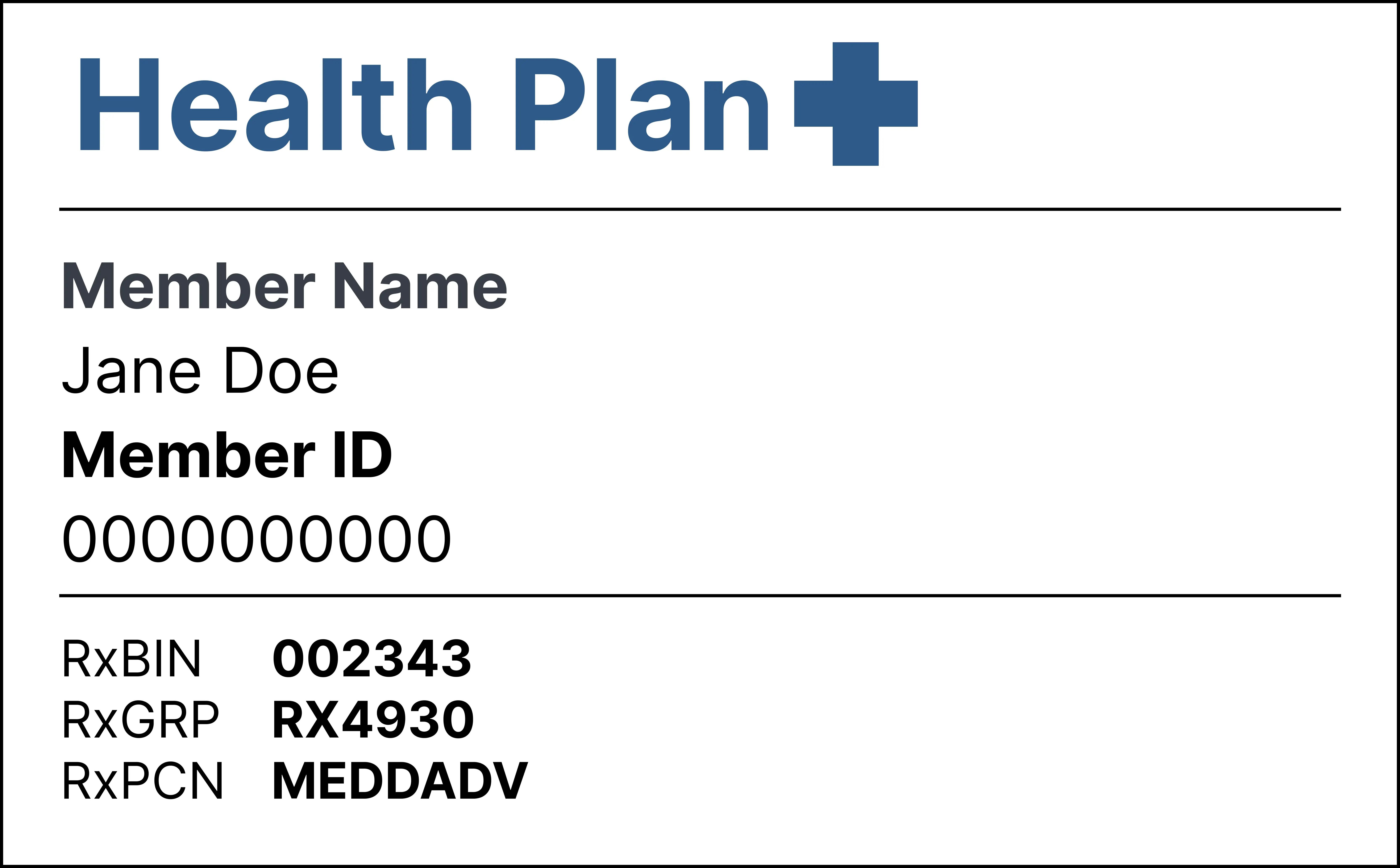
    • Make a copy or scan both sides of the patient’s insurance card (FIGURE 18.1) and government-issued ID card.
    • If the patient has a copayment (copay) responsibility, collect it before services are provided
    • Review patient benefits and exclusions for certain medical procedures and services.
    • If precertification is needed, contact the health insurance company to request it.
    • After services have been provided to the patient, code the diagnosis and procedures and review the encounter form/superbill for completeness. The charges for the procedure or procedures should be provided automatically by the medical billing software.
    • Complete the CMS-1500 Health Insurance Claim Form (CMS-1500), or an electronic claim form. Submit the form to the insurance company. Electronic claim information may be submitted to a claims clearinghouse.
    • Review the electronic claims submission report to ensure that the claim was submitted accurately. Correct any discrepancies through the claims clearinghouse and resubmit claims that have not been paid (denied claims).
    • Meet the timely filing requirements that are outlined in the contract of each of the different health insurance carriers. These requirements can vary from carrier to carrier. Health insurance companies do not pay claims submitted after the established filing period, and this balance cannot be billed to the patient.
    • Post payments in the patient’s account using the EOB/RA to identify the line items that were paid, reduced, or denied. Patient account statements for the person’s financial responsibility should be mailed out. Health insurance claims for patient accounts with secondary insurance should be submitted to the secondary carrier.
Health insurance identification card displayed
Insurance card

Types of information found in the patient’s billing record

The claim submission process begins after the patient receives services from the provider. When a patient makes their first appointment, it is routine to ask the patient for insurance billing information. Much of this information is collected on the patient information form. This form can be sent to the patient ahead of time or completed when the patient comes to the medical office for the first visit. This form should always be completed for every new patient. For established patients, demographic and insurance information should be verified at every visit.

Accurate patient information for submitting a health insurance claim is important, but a medical release of information form, signed by the patient, should also be kept in the person’s health record. The release form allows the release of medical information to the insurance company. The Health Insurance Portability and Accountability Act (HIPAA) does not require this, but some state laws do. Many healthcare facilities will have patients complete the form and keep it in their health records.

Managed care policies and procedures

Medical billers should be familiar with procedures commonly used by managed care organizations (MCOs), such as precertification. If the procedures are not followed, the MCO might not pay for the services. For example, pain management services typically require a preauthorization. If a pain management facility were to provide these services to the patient without preauthorization, the MCO could deny all insurance claims. To submit accurate health insurance claims, medical assistants should follow office procedures for applying MCO policies and procedures.

Precertification/preauthorization

In an effort to control costs, many MCOs require pre-certification for certain procedures and services. The insurance company, in turn, will determine if it is a covered service and what the reimbursement will be. Precertification must be done before the procedure or service is performed.

The medical assistant will take the following steps to obtain precertification:

  • Call the provider services phone number on the back of the patient’s health insurance ID card or complete this process through the insurance company’s web portal.
  • Provide the insurance company with procedures or services requested and the diagnoses.
  • Document the outcome of the call in the patient’s health record, including the precertification number.

Precertification does not guarantee payment of services. The process ensures that both the healthcare provider and the patient are informed of the amount that the insurance company will pay and also the amount that the patient will have to pay.

Each insurance company has its own pre-certification requirements. Almost every MCO requires precertification, but medical assistants must confirm this by contacting the insurance company. Successful medical billers are diligent in obtaining pre-certification.

The precertification and preauthorization processes are very similar. The insurance company is contacted after the primary care provider (PCP) recommends the procedure or service. In fact, many health insurance companies use the terms precertification and preauthorization interchangeably. However, precertification specifically determines whether the procedure is medically necessary, and preauthorization gives the provider approval to render the medical service. Precertification and preauthorization can be requested through an insurance company’s online web portal.

Referrals

Patients seeking specialized care must first visit their assigned PCP to obtain a referral to a specialist or for more specialized therapy or care. Patients with HMO plans can only obtain a referral to the specialist by visiting their assigned PCP. HMOs will track how many patients are referred to specialists by individual PCPs. Approval or denial of a referral can take anywhere from a few minutes to a few days. The three types of referrals are as follows:

  • A regular referral usually takes 3 to 10 working days for review and approval. This type of referral is used when the provider believes the patient must see a specialist to continue treatment.
  • An urgent referral usually takes about 24 hours for approval. This type of referral is used when an urgent but not life-threatening situation occurs.
  • A STAT referral can be approved online when it is submitted to the utilization review department through the provider’s web portal. A STAT referral is used in an emergency situation as indicated by the provider.

A regular referral is the most common type and can be inconvenient for the patient. With most managed care plans, preauthorization needs to be obtained for a referral. Remember this cardinal rule: never tell the patient the referral has been approved unless you have a hard copy of the authorization. A referral is authorized after the approval has been received. When a referral is approved, the PCP’s office and the patient should receive a copy of the authorization. Always review the authorization thoroughly and confirm details, such as approved diagnosis and procedure codes and the exact period of time the authorization lasts. The patient will receive a letter with an authorization number and details regarding the approved services. The patient must bring the authorization to the specialist’s office on the date of the appointment.

The Medical billing process

  • Accurate patient insurance info essential for claims
  • Steps in billing process:
    • Collect and verify patient info and eligibility
    • Copy insurance/ID cards, collect copay, review benefits/exclusions
    • Obtain precertification if required
    • Code diagnoses/procedures, complete CMS-1500 or electronic claim
    • Submit claims, review submission reports, correct/ resubmit denied claims
    • Meet timely filing requirements per carrier contract
    • Post payments using EOB/RA, send patient statements, submit to secondary insurance if needed
  • Use of provider web portals for claim status and eligibility checks

Types of information found in the patient’s billing record

  • Patient information form: demographic and insurance data
  • Verify and update info at every visit
  • Medical release of information form:
    • Allows release of info to insurance
    • Not required by HIPAA, but may be by state law

Managed care policies and procedures

  • Familiarity with MCO requirements (e.g., precertification)
  • Failure to follow procedures may result in denied claims
  • Adherence to office protocols for MCO claims

Precertification/preauthorization

  • Required by many MCOs for certain services/procedures
  • Steps:
    • Contact insurance (phone/web portal)
    • Provide procedure and diagnosis info
    • Document outcome and precertification number in health record
  • Precertification: determines medical necessity
  • Preauthorization: provider approval to render service
  • Does not guarantee payment; confirms coverage and patient responsibility

Referrals

  • PCP must provide referral for specialist care (especially in HMO plans)
  • Three types:
    • Regular: 3–10 days for approval
    • Urgent: ~24 hours for approval
    • STAT: immediate/online approval for emergencies
  • Never confirm referral approval to patient without hard copy
  • Review authorization details (diagnosis, procedure codes, validity period)
  • Patient must bring authorization to specialist appointment

Sign up for free to take 14 quiz questions on this topic

Previous
Next  | 12.2 Insurance determination and CMS-1500 blocks 1–23
All rights reserved ©2016 - 2026 Achievable, Inc.

Medical billing and reimbursement essentials introduction

The Medical billing process

Medical billing and reimbursement represent the financial lifeline of the healthcare facility. Collecting accurate patient health insurance information is essential to submitting accurate health insurance claims. Each health insurance company has its own claims submission policies and procedures for timely reimbursement. A successful medical assistant in insurance billing learns the insurance company requirements and submits accurate claims. Many health insurance companies have online provider web portals. This has made the process of checking the status of a claim quick and easy. The medical assistant also needs to be able to look at a patient’s insurance card and interpret the information found there, including copayment (copay) amounts. An explanation of benefits (EOB)/remittance advice (RA) from the insurance carrier will indicate the patient’s deductible and/or co-insurance. Clear communication with the patient about his or her financial responsibilities takes patience and sensitivity.

The medical billing process, also known as the revenue cycle, starts when a patient makes an appointment and is complete when payment for services has been received. The following steps are typically taken for medical billing:

  • Collect patient information when the patient calls to schedule an appointment. This includes information about the insured, his or her employer, demographic information, and health insurance data.
  • Verify the patient’s eligibility, confirming that the patient’s contract with the insurance company is valid for the date of service. Patient eligibility can be confirmed by doing the following:
    • Calling the provider services phone number on the back of the health insurance ID card
    • Using the provider web portal sponsored by the patient’s health insurance company
    • When the patient arrives for the appointment, you should do the following:
    • Make a copy or scan both sides of the patient’s insurance card (FIGURE 18.1) and government-issued ID card.
    • If the patient has a copayment (copay) responsibility, collect it before services are provided
    • Review patient benefits and exclusions for certain medical procedures and services.
    • If precertification is needed, contact the health insurance company to request it.
    • After services have been provided to the patient, code the diagnosis and procedures and review the encounter form/superbill for completeness. The charges for the procedure or procedures should be provided automatically by the medical billing software.
    • Complete the CMS-1500 Health Insurance Claim Form (CMS-1500), or an electronic claim form. Submit the form to the insurance company. Electronic claim information may be submitted to a claims clearinghouse.
    • Review the electronic claims submission report to ensure that the claim was submitted accurately. Correct any discrepancies through the claims clearinghouse and resubmit claims that have not been paid (denied claims).
    • Meet the timely filing requirements that are outlined in the contract of each of the different health insurance carriers. These requirements can vary from carrier to carrier. Health insurance companies do not pay claims submitted after the established filing period, and this balance cannot be billed to the patient.
    • Post payments in the patient’s account using the EOB/RA to identify the line items that were paid, reduced, or denied. Patient account statements for the person’s financial responsibility should be mailed out. Health insurance claims for patient accounts with secondary insurance should be submitted to the secondary carrier.

Types of information found in the patient’s billing record

The claim submission process begins after the patient receives services from the provider. When a patient makes their first appointment, it is routine to ask the patient for insurance billing information. Much of this information is collected on the patient information form. This form can be sent to the patient ahead of time or completed when the patient comes to the medical office for the first visit. This form should always be completed for every new patient. For established patients, demographic and insurance information should be verified at every visit.

Accurate patient information for submitting a health insurance claim is important, but a medical release of information form, signed by the patient, should also be kept in the person’s health record. The release form allows the release of medical information to the insurance company. The Health Insurance Portability and Accountability Act (HIPAA) does not require this, but some state laws do. Many healthcare facilities will have patients complete the form and keep it in their health records.

Managed care policies and procedures

Medical billers should be familiar with procedures commonly used by managed care organizations (MCOs), such as precertification. If the procedures are not followed, the MCO might not pay for the services. For example, pain management services typically require a preauthorization. If a pain management facility were to provide these services to the patient without preauthorization, the MCO could deny all insurance claims. To submit accurate health insurance claims, medical assistants should follow office procedures for applying MCO policies and procedures.

Precertification/preauthorization

In an effort to control costs, many MCOs require pre-certification for certain procedures and services. The insurance company, in turn, will determine if it is a covered service and what the reimbursement will be. Precertification must be done before the procedure or service is performed.

The medical assistant will take the following steps to obtain precertification:

  • Call the provider services phone number on the back of the patient’s health insurance ID card or complete this process through the insurance company’s web portal.
  • Provide the insurance company with procedures or services requested and the diagnoses.
  • Document the outcome of the call in the patient’s health record, including the precertification number.

Precertification does not guarantee payment of services. The process ensures that both the healthcare provider and the patient are informed of the amount that the insurance company will pay and also the amount that the patient will have to pay.

Each insurance company has its own pre-certification requirements. Almost every MCO requires precertification, but medical assistants must confirm this by contacting the insurance company. Successful medical billers are diligent in obtaining pre-certification.

The precertification and preauthorization processes are very similar. The insurance company is contacted after the primary care provider (PCP) recommends the procedure or service. In fact, many health insurance companies use the terms precertification and preauthorization interchangeably. However, precertification specifically determines whether the procedure is medically necessary, and preauthorization gives the provider approval to render the medical service. Precertification and preauthorization can be requested through an insurance company’s online web portal.

Referrals

Patients seeking specialized care must first visit their assigned PCP to obtain a referral to a specialist or for more specialized therapy or care. Patients with HMO plans can only obtain a referral to the specialist by visiting their assigned PCP. HMOs will track how many patients are referred to specialists by individual PCPs. Approval or denial of a referral can take anywhere from a few minutes to a few days. The three types of referrals are as follows:

  • A regular referral usually takes 3 to 10 working days for review and approval. This type of referral is used when the provider believes the patient must see a specialist to continue treatment.
  • An urgent referral usually takes about 24 hours for approval. This type of referral is used when an urgent but not life-threatening situation occurs.
  • A STAT referral can be approved online when it is submitted to the utilization review department through the provider’s web portal. A STAT referral is used in an emergency situation as indicated by the provider.

A regular referral is the most common type and can be inconvenient for the patient. With most managed care plans, preauthorization needs to be obtained for a referral. Remember this cardinal rule: never tell the patient the referral has been approved unless you have a hard copy of the authorization. A referral is authorized after the approval has been received. When a referral is approved, the PCP’s office and the patient should receive a copy of the authorization. Always review the authorization thoroughly and confirm details, such as approved diagnosis and procedure codes and the exact period of time the authorization lasts. The patient will receive a letter with an authorization number and details regarding the approved services. The patient must bring the authorization to the specialist’s office on the date of the appointment.

Key points

The Medical billing process

  • Accurate patient insurance info essential for claims
  • Steps in billing process:
    • Collect and verify patient info and eligibility
    • Copy insurance/ID cards, collect copay, review benefits/exclusions
    • Obtain precertification if required
    • Code diagnoses/procedures, complete CMS-1500 or electronic claim
    • Submit claims, review submission reports, correct/ resubmit denied claims
    • Meet timely filing requirements per carrier contract
    • Post payments using EOB/RA, send patient statements, submit to secondary insurance if needed
  • Use of provider web portals for claim status and eligibility checks

Types of information found in the patient’s billing record

  • Patient information form: demographic and insurance data
  • Verify and update info at every visit
  • Medical release of information form:
    • Allows release of info to insurance
    • Not required by HIPAA, but may be by state law

Managed care policies and procedures

  • Familiarity with MCO requirements (e.g., precertification)
  • Failure to follow procedures may result in denied claims
  • Adherence to office protocols for MCO claims

Precertification/preauthorization

  • Required by many MCOs for certain services/procedures
  • Steps:
    • Contact insurance (phone/web portal)
    • Provide procedure and diagnosis info
    • Document outcome and precertification number in health record
  • Precertification: determines medical necessity
  • Preauthorization: provider approval to render service
  • Does not guarantee payment; confirms coverage and patient responsibility

Referrals

  • PCP must provide referral for specialist care (especially in HMO plans)
  • Three types:
    • Regular: 3–10 days for approval
    • Urgent: ~24 hours for approval
    • STAT: immediate/online approval for emergencies
  • Never confirm referral approval to patient without hard copy
  • Review authorization details (diagnosis, procedure codes, validity period)
  • Patient must bring authorization to specialist appointment

More from Medical billing and reimbursement essentials

  • Insurance determination and CMS-1500 blocks 1–23
  • Submitting and completing health insurance claims
  • The impact of accurate coding
  • Interpreting and resolving claim outcomes
  • The patient’s financial responsibility